
How To
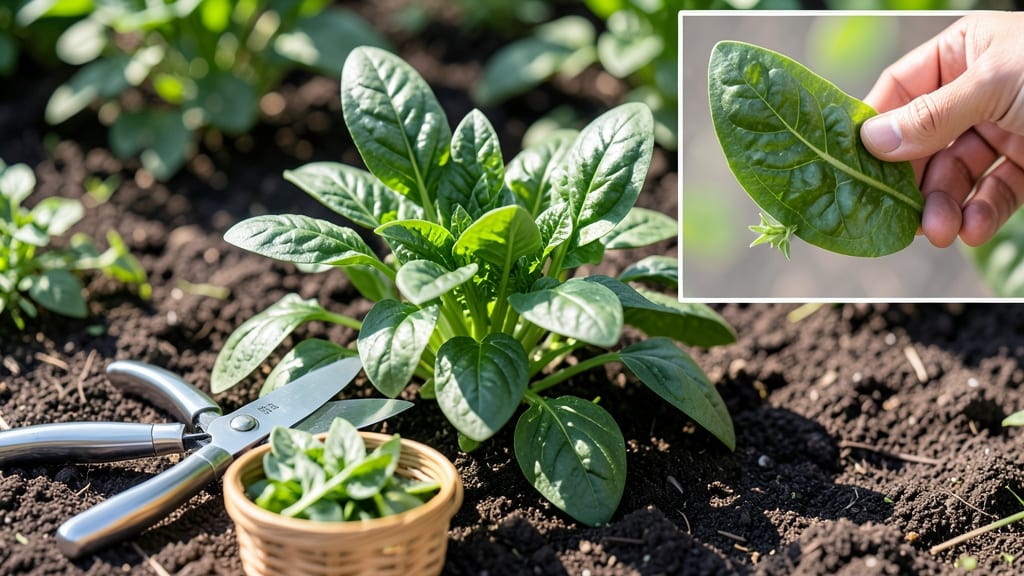
Knowing how to know when spinach is ready to harvest can make all the difference between a tender, flavorful salad and a disappointing bite. Too early, and you’re wasting potential; too late, and those perfect leaves turn bitter or tough.
The secret lies in watching for specific visual cues that signal peak readiness.
Your spinach is ready when leaves reach 4-6 inches long, boasting a vibrant deep green color that’s crisp but still tender to the touch. This is the sweet spot for harvesting—before the outer leaves start to yellow or develop woody stems.
Pay attention to the outer leaves first, as they mature ahead of the inner ones.
Timing matters too: in Zone 6a, spring-planted spinach typically reaches harvest in 6-8 weeks, while late summer crops mature faster in cooler fall weather. The key is to act before the plant bolts or the leaves toughen up, ensuring you get the most flavorful harvest possible.
Once you spot those ready-to-harvest leaves, you’ll want to learn how to harvest them properly—whether you’re cutting-and-coming-again for a continuous supply or pulling the whole plant for a one-time feast. Let’s dive into the exact signs and steps to make sure you never miss the perfect moment.


Spinach leaf size and color: the ultimate harvest readiness guide
Determining when to harvest spinach depends on two key factors: leaf size and color. For baby spinach, you'll want leaves around 3-4 inches long, while mature spinach should reach 4-6 inches before picking.
The color should be a vibrant deep green, not pale or yellowing, which signals overmaturity or stress.
I always check the outer leaves first—they mature faster than the inner ones. If the outer leaves are fully grown while the inner leaves are still developing, that’s your cue to harvest. This method ensures you get a steady supply without letting the plant bolt or become bitter.
Spinach varieties like Baby's Leaf Hybrid or Bloomsdale Long Standing have different ideal harvest windows. Baby spinach varieties are best picked when leaves are 3-4 inches, while larger varieties like Giant Winter should reach 5-6 inches for optimal tenderness.
| Stage | Leaf Size | Color | Texture | Harvest Time |
|---|---|---|---|---|
| Baby Spinach | 3-4 inches | Bright green | Tender, delicate | 30-40 days |
| Mature Spinach | 4-6 inches | Deep green | Firm but crisp | 45-60 days |
| Overmature | 6+ inches | Yellowing or dull | Tough, fibrous | Avoid harvest |
One of my biggest mistakes early on was waiting too long to harvest. I thought bigger leaves meant better spinach, but overmature spinach becomes tough and bitter. Now, I always harvest when the leaves are 4-6 inches and still tender to the touch.
Temperature also plays a role in harvest readiness. In cool spring or fall weather, spinach grows slower, so leaves may take longer to reach harvest size.
If you're growing in warmer conditions, monitor closely—spinach can bolt (send up a flower stalk) in hotter weather, making leaves tough and inedible.
For continuous harvesting, I use the cut-and-come-again method. Snip the outer leaves when they’re ready, leaving the inner leaves to grow. This encourages the plant to produce more leaves, extending your harvest season by 2-4 weeks compared to a single harvest.
If you're growing bolt-resistant varieties like Tyee or Space, you can push your harvest window later into the season. These varieties are bred to handle warmer temperatures better, so you can harvest them up to 2 weeks later than traditional types without sacrificing quality.
Always harvest in the morning when leaves are firm and hydrated. This ensures the best flavor and texture. Store harvested spinach in a perforated plastic bag in the fridge, where it’ll stay fresh for 5-7 days—just don’t wash it until you’re ready to use it to prevent spoilage.
Pro tip: If your spinach starts to yellow at the edges or develop woody stems, it’s past its prime. These are clear signs of overmaturity, and the leaves will be tough and unpalatable.
When in doubt, harvest a few leaves to taste-test—if they’re still tender and sweet, you’re good to go!
Common spinach harvest mistakes that ruin your crop
Harvesting spinach at the wrong time or using the wrong techniques can turn your tender crop into a tough, bitter mess. One of the most common mistakes I see is waiting too long—many gardeners assume bigger leaves mean better spinach, but that’s not always true.
Leaves that grow beyond 6 inches often become woody and fibrous, ruining their delicate texture and flavor.
Another frequent error is harvesting in the heat of the day. Spinach leaves wilt quickly under midday sun, losing their crispness. Always harvest in the early morning when leaves are hydrated and at their peak. This simple habit makes a huge difference in taste and texture.
Here’s a critical mistake to avoid: pulling the whole plant at once instead of using the cut-and-come-again method. This approach wastes potential yields, especially with varieties like Baby’s Leaf Hybrid. By snipping just the outer leaves, you encourage the plant to keep producing new growth for weeks.
⚠️ Warning: Signs Your Spinach Is Overmature
Don’t ignore these red flags—overmature spinach is inedible!
- Yellowing edges on leaves (signals nutrient stress)
- Tough stems that resist bending (indicates woody texture)
- Bitter taste when sampled (chemicals develop as leaves age)
- Flower stalks emerging (bolt-resistant varieties excepted)
I once made the rookie mistake of harvesting with dull scissors, which crushed the leaves and caused bruising. Always use a sharp pair of pruners or a clean knife to make clean cuts just above the soil line. This prevents damage and encourages faster regrowth for continuous harvesting.
One more pitfall: ignoring variety-specific harvest times. Baby spinach varieties like Melody should be harvested in just 30-40 days, while larger types like Giant Winter need 45-60 days. Mixing up these timelines leads to either underdeveloped or overmature leaves—neither is ideal.
Finally, never wash harvested spinach immediately. Moisture trapped in plastic bags accelerates spoilage. Instead, store leaves in a perforated bag in the fridge and wash only when ready to use. This simple step extends freshness from 3-5 days to 5-7 days.
By avoiding these common mistakes, you’ll enjoy a steady supply of tender, flavorful spinach all season long—no bitter surprises included! 🌱