
How To
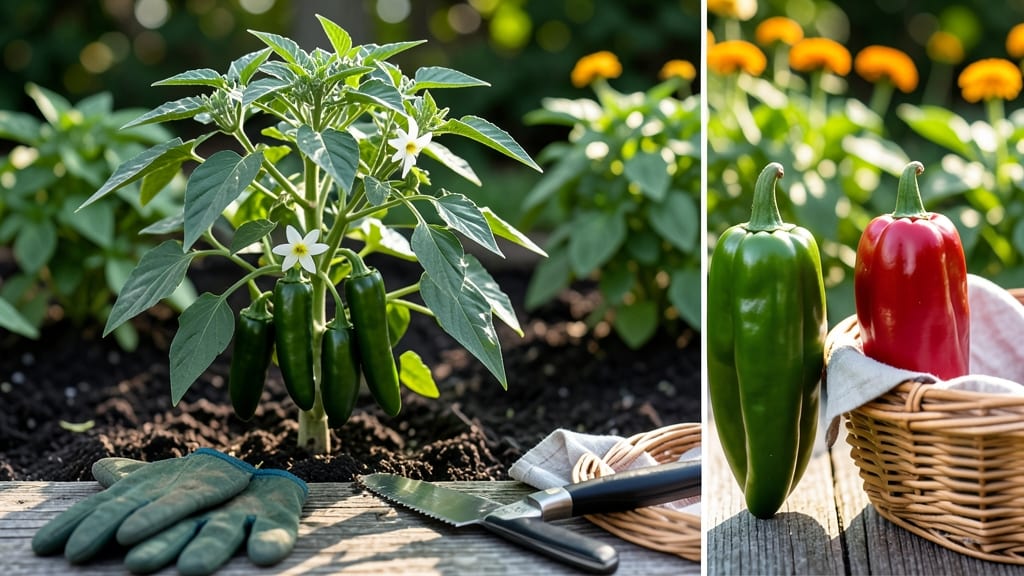
How to know when to pick a jalapeño is the difference between fiery, crunchy perfection and bland, underripe disappointment. If you've ever plucked a pepper too early—only to end up with weak heat and mushy walls—you're not alone.
There's more to ripeness than just color or size. The real secrets lie in three simple tactile tests that reveal when your peppers are truly ready to harvest. Whether you're growing in USDA Zone 6a or just starting your spring garden, these tricks will help you time your pick perfectly.
From checking stem separation to testing wall thickness with your thumb, I'll show you exactly what to look for. No guesswork, no wasted peppers—just peak flavor and spice every time you reach for the harvest basket.
Ready to transform your harvest from "meh" to "mama mia"? Let's dive into the 3 foolproof tests that'll change how you pick your jalapeños forever.


3 Tactile tests to determine jalapeño ripeness for optimal spice
Jalapeños are at their peak when they pass three simple tactile tests that reveal their true ripeness. Unlike bell peppers, jalapeños rely more on texture and stem behavior than just color.
I’ve learned the hard way that skipping these checks means ending up with peppers that are either too mild or bitter—neither of which delivers that perfect crunch and heat we all crave.
First, let’s talk about the color transition that signals ripeness. While green is classic, jalapeños can also ripen to red, yellow, or even purple depending on the variety.
The shift from pale green to a deeper, richer hue isn’t just about looks—it’s a sign the capsaicin levels are building, which means more heat. But don’t stop at color; you’ll need to confirm with your fingers.
The stem twist test is my favorite because it’s foolproof. When a jalapeño is ripe, the stem separates cleanly from the plant with just a gentle twist—no tugging required. This happens because the plant’s natural sugars and capsaicin have fully developed, making the connection weak.
If you’re struggling to twist it off, the pepper isn’t ready yet. Pro tip: Use clean pruners if you’re worried about damaging the plant.
Next, focus on the wall thickness, which directly impacts flavor and heat. A ripe jalapeño should have walls that are at least 1/4 inch thick. Thin-walled peppers are underripe and will lack the bold, spicy kick you’re after.
To test this, hold the pepper between your thumb and forefinger and gently squeeze. If you can’t feel much thickness, give it more time on the vine. Thick walls also mean more flesh for cooking or stuffing, so this test pays off in versatility too.
Don’t overlook the skin give test, which tells you about the pepper’s internal moisture and sugar content. A ripe jalapeño’s skin should yield slightly when pressed—imagine pressing a ripe tomato.
If the skin feels like a stress ball (too firm) or a deflated balloon (too soft), it’s not at its best. This test is especially useful for container-grown jalapeños, where environmental stress can trick other indicators.
Here’s a pro move: Taste test a few peppers from your plant to compare notes. Sometimes, color and texture can be misleading due to temperature fluctuations or uneven sunlight. If one pepper tastes milder than another, it’s likely underripe.
Conversely, if it’s overly bitter, it might be overripe. Balance is key—aim for that sweet spot where the heat is sharp but not overwhelming.
Timing matters too. Jalapeños typically reach peak ripeness 75-90 days after transplanting, but this varies by variety and climate. In hotter regions, they may ripen faster, while cooler areas might need an extra week.
Keep a harvest journal to track your plant’s progress. Note the date when peppers start changing color and when they pass the tactile tests—this helps you predict future harvests.
One common mistake I see is relying only on color to judge ripeness. Some jalapeño varieties stay green even when fully ripe, while others turn red or yellow. Instead, combine color with the tactile tests for accuracy.
For example, a deep green jalapeño with thick walls and a snapping stem is just as ripe as a red one—just with a different heat profile. Always prioritize texture and stem behavior over color alone.
Finally, remember that harvesting frequency affects ripeness. The more you pick, the more your plant produces. If you wait too long between harvests, the peppers may become overripe or the plant may stop flowering.
Aim to harvest every 2-3 days during peak production to keep your jalapeños at their best. This consistency ensures you’re always bringing home peppers that pass all three tactile tests.
How jalapeño size and firmness affect heat levels and flavor
Jalapeños aren’t just about color changes—their size and firmness directly impact spice intensity and texture. A pepper that’s too small or too soft might lack the bold heat and crunch you crave. Let’s break down how these factors influence your harvest’s Scoville scale rating and mouthfeel.
The wall thickness of a jalapeño is your best friend for predicting heat levels. Thicker walls mean more capsaicin (the compound responsible for spice), while thinner walls often result in milder peppers.
Aim for 1/4-inch-thick walls for peak flavor and heat—this usually happens when peppers reach 3-5 inches in length.
| Factor | Optimal Specification | Result |
|---|---|---|
| Size | 3-5 inches long | Balanced heat (2,500-8,000 Scoville) |
| Wall Thickness | 1/4-inch thick | Higher capsaicin concentration |
| Firmness | Gives slightly to thumb pressure | Crisp texture, not mushy |
| Color | Deep green or red (if matured) | Fully developed flavor profile |
Firmness is another key indicator—peppers that are too soft often mean they’ve overripe and lost their crunch. Gently press a pepper with your thumb; if it yields slightly but doesn’t feel mushy, it’s ready. Overripe jalapeños can turn bitter or leathery, ruining their fresh-from-the-garden appeal.
Don’t overlook the stem separation test—a ripe jalapeño’s stem should twist off easily with a slight resistance. If it snaps cleanly, the pepper is at its peak ripeness. This method ensures you’re harvesting at the optimal heat level without waiting too long for over-maturity.
For maximum heat, harvest jalapeños when they’re 3-4 inches long and still firm. If you prefer milder peppers, pick them earlier at 2-3 inches. Remember, red jalapeños (fully mature) pack more heat but can also develop bitter notes, so adjust based on your taste preferences.
Pro tip: Morning harvests yield the freshest peppers with the best texture. Avoid picking after heavy rain, as excess moisture can dilute flavor and make peppers waterlogged or spongy. 🌿