
How To
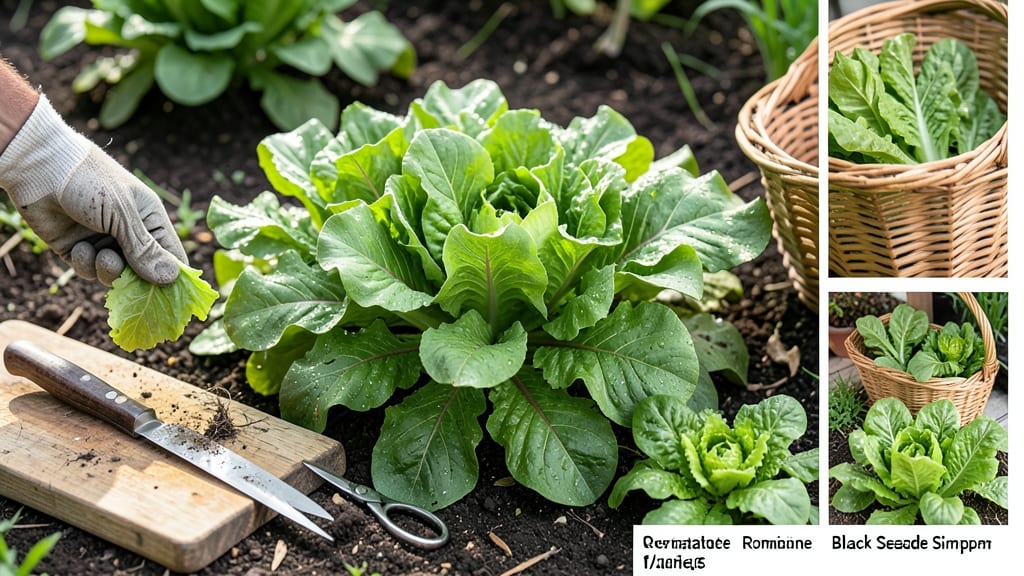
Knowing how to know when to pick lettuce can turn your garden from a hit-or-miss experiment to a steady supply of fresh, crisp 🥬 for your kitchen.
There's nothing worse than pulling a leaf only to find it bitter or wilted—yet getting it right means salads that taste like summer, even in Zone 6a.
The secret lies in those 3 simple cues: leaf size, color, and texture. A perfect head lettuce should have leaves reaching 4-6 inches with vibrant, deep colors—whether that's rich green, deep red, or purple.
If you're harvesting leaf lettuce, wait until the outer leaves are fully formed but still tender, not tough or woody.
Timing matters too—especially for spring and fall crops. In March-April and again in August-September, your lettuce will mature faster, so check it every 2-3 days once those outer leaves start stretching. And here's the pro tip: Harvest early in the morning when the leaves are cool and crispest.
Whether you're growing loose-leaf or head varieties, I'll show you exactly what to look for—and what to avoid—to keep your lettuce at its peak. Let's make sure every bite is worth the harvest!


Key visual signs your lettuce is ready for harvesting
Timing your lettuce harvest correctly ensures you enjoy crisp, flavorful leaves instead of bitter, tough ones. The key is watching for three primary visual cues: leaf size, texture, and color.
Each lettuce variety—whether loose-leaf, romaine, or butterhead—has its own ideal harvest window, but these signs apply universally.
For loose-leaf varieties, look for outer leaves reaching 4-6 inches long while still feeling tender. These leaves should be fully unfurled but not yet woody.
If you’re growing head lettuce, like romaine or iceberg, wait until the head feels firm when gently squeezed—this usually takes 40-60 days from planting.
Color is another critical indicator. Healthy lettuce leaves should be deep and vibrant, matching the variety’s expected hue (e.g., dark green for romaine, red or purple for oakleaf). Pale or yellowing leaves signal nutrient deficiency or over-maturity, while overly dark spots may mean bolting (flowering) is imminent.
Texture tells the real story. Ready-to-harvest leaves should feel crisp but not brittle. Run your thumb over a leaf—if it resists slightly but doesn’t snap, it’s perfect. If leaves feel soft or mushy, they’re past their prime, and if they’re hard and woody, you waited too long.
Here’s a quick trick: Pinch a leaf between your fingers. If it holds its shape and doesn’t tear easily, it’s harvest-ready. This method works for both leaf lettuce (where you pick outer leaves) and head lettuce (where you cut the entire head).
🥬 Lettuce Harvest Readiness Guide
| Sign | Loose-Leaf Lettuce | Head Lettuce | Timeframe |
|---|---|---|---|
| Leaf Size | 4-6" long outer leaves | Firm, compact head | 28-60 days |
| Texture | Crisp, tender, not woody | Firm, no soft spots | Daytime harvest |
| Color | Vibrant, no yellowing | Deep, even hue | Morning pick |
| Growth Stage | 4-6 mature outer leaves | Head fully formed | Before bolting |
Avoid harvesting when leaves are small and tightly packed—this means the plant isn’t mature enough. Similarly, if your lettuce sends up a flower stalk (bolting), it’s too late for a quality harvest.
Bolting often happens in hot weather or due to nutrient stress, so keep an eye on your plants during spring and fall transitions.
For cut-and-come-again varieties, like buttercrunch, you can start harvesting outer leaves once they’re 3-4 inches long. This encourages the plant to produce more leaves, giving you a continuous harvest for weeks. Just avoid removing more than 1/3 of the plant at once to prevent stress.
Pro tip: Harvest in the morning after dew has dried but before the sun gets too intense. This ensures leaves are crisp and hydrated, not wilted. Use a sharp knife or clean scissors to avoid crushing the stems, which can lead to bitter taste or disease entry points.
If you’re unsure whether your lettuce is ready, err on the side of harvesting slightly early. Lettuce continues to improve in flavor for a few days after picking, and you can always leave it to mature further.
Just don’t wait until it bolts—once that happens, the leaves become bitter and tough, and the plant shifts its energy to seed production.
🌱
Key visual signs your lettuce is ready for harvesting
Picking lettuce at the right moment ensures maximum flavor and texture—don’t wait until the leaves turn bitter or tough. The key is watching for three visual cues: leaf size, color vibrancy, and crispness.
For loose-leaf varieties, focus on the outer leaves, while head lettuce should form a tight, firm ball before harvesting.
Start by checking the outer leaves—they’re your best indicator. When they reach 4-6 inches long and feel firm but not woody, your lettuce is ready. A deep, consistent color (green, red, or purple, depending on the variety) is another sign of peak freshness.
If leaves start yellowing or developing brown edges, you’ve waited too long.
Texture is your final clue. Gently squeeze a leaf—it should hold its shape but yield slightly, like a fresh salad. If it feels too soft or mushy, the lettuce is overripe. Conversely, if leaves are still small and tightly packed, the plant needs more time to mature.
| Sign | Ready Lettuce | Not Ready Lettuce |
|---|---|---|
| Leaf Size | 4-6 inches long (outer leaves) | Small, tightly packed |
| Color | Deep, vibrant (green/red/purple) | Pale or yellowing |
| Texture | Crisp, firm, tender | Woody or mushy |
| Growth Stage | 4-6 mature outer leaves | Rapidly growing, no head formed |
For loose-leaf varieties, you can harvest leaves as soon as they’re large enough—this encourages continuous regrowth for weeks. Head lettuce, however, should be picked all at once when the head is fully formed but before the plant bolts (sends up a flower stalk).
Watch for tight, compact heads with no signs of loosening.
Timing also depends on your climate and variety. In cooler weather, lettuce matures faster (28-40 days), while heat can cause bolting. If your lettuce starts sending up a flower stalk, it’s past its prime—harvest immediately or enjoy it quickly in salads before it becomes bitter.
Pro tip: Harvest in the morning after dew has dried but before the heat of the day. This ensures the crispest texture and prevents wilting. Store harvested lettuce in the fridge for up to 5-7 days by wrapping it in a damp paper towel to maintain freshness.