
How To
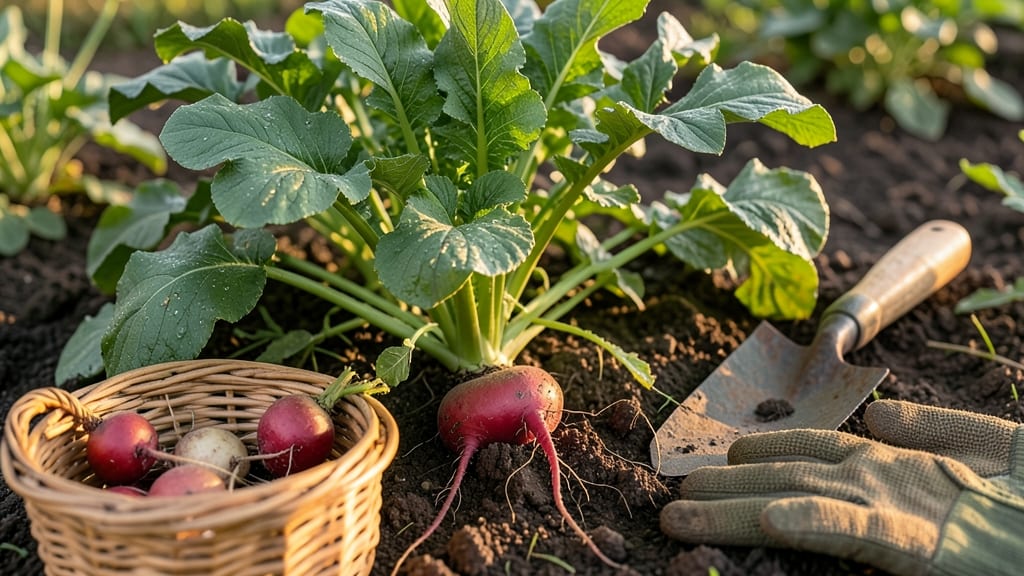
How to know when to pick radishes is the difference between a crisp, sweet bite and a tough, bitter disappointment. These fast-growing veggies mature in as little as 20 days, but timing is everything—harvest too early, and they're bland; wait too long, and they turn woody.
Most gardeners miss the perfect window because they focus only on size, but there are three key signs to watch for: color, texture, and leaf growth. I’ll show you exactly what to look for, so you never guess again about whether your radishes are ready.
Even experienced growers struggle with variety differences—French Breakfast radishes need harvesting sooner than Daikon, and each type has its own flavor profile. The good news? With these simple checks, you’ll consistently pull radishes at their peak, whether they’re tiny cherry bells or long, spicy daikons.
Ready to go from uncertain to confident? Let’s break down the foolproof way to test for perfect harvests every time, so your garden delivers the best-tasting radishes possible.


Radish size, color, and texture: the 3 key signs it’s time to harvest
Radishes grow so fast that they can go from seed to harvest in just 20–30 days, but timing is everything. The difference between a crisp, sweet radish and a tough, bitter one often comes down to three key factors: size, color, and texture.
Let’s break down what to look for so you never miss the perfect harvest window.
First, focus on radish size. Most garden varieties like Cherry Belle or French Breakfast are ready when they reach about 1 inch in diameter.
If you wait too long, they’ll become woody and lose their signature crunch. Smaller radishes (under ½ inch) are still edible but may lack full flavor.
Next, check the color and leaf condition. The skin should be vibrant and uniform—no green streaks or pale spots. Additionally, the top leaves will start showing slight yellowing at the base, signaling the root is mature. Dark green, fully expanded leaves mean the radish still needs time.
Finally, test the texture by gently squeezing the radish. It should feel firm but not hard. A soft or spongy radish is underripe, while a hard, woody one is past its prime. The ideal radish gives slightly when pressed but holds its shape.
| Sign | Ready Radish | Not Ready |
|---|---|---|
| Size | 1 inch diameter | Under ½ inch |
| Color | Vibrant, no green streaks | Pale or streaked |
| Texture | Firm but not hard | Soft or woody |
| Leaves | Slight yellowing at base | Dark green and fully expanded |
One common mistake is assuming all radishes mature at the same time. Early varieties like Cherry Belle may be ready in 20–25 days, while slower growers like Daikon take 45–60 days.
Always check the seed packet for variety-specific guidance, but never rely solely on days—always verify with the visual cues above.
If you’re growing radishes in containers or succession plantings, harvest the largest ones first to encourage even growth. Leaving radishes in the ground too long can cause them to split or bolt, especially in hot weather.
When in doubt, pull a few and taste-test them—your palate is the best judge of all!
Pro tip: Use a small hand trowel to carefully dig around the radish, lifting it gently by the leaves to avoid damaging the root. This method also helps you spot any pest damage or disease before it spreads to other plants.
Remember, the goal is crisp, sweet radishes with no bitterness. By paying attention to these three signs—size, color, and texture—you’ll harvest radishes at their peak every time.
And if you miss the window? Don’t worry—radishes store well in the fridge for up to a week, so you can still enjoy them!
🥕
Radish size, color, and texture: the 3 key signs it’s time to harvest
Harvesting radishes at the right moment transforms your garden into a flavor factory—but timing matters! The key lies in three simple checks: size, color, and texture.
Ignore these cues, and you’ll end up with either baby radishes (too mild) or woody, pithy roots (too tough). Let’s break down what to look for in your garden.
First, focus on root diameter. Most radish varieties are ready when they reach about 1 inch across. This is the sweet spot for crispness and flavor.
Smaller than ½ inch? They’re still tender but lack full development. Larger than 1.5 inches? They’ll start turning bitter and fibrous as they mature.