
How To
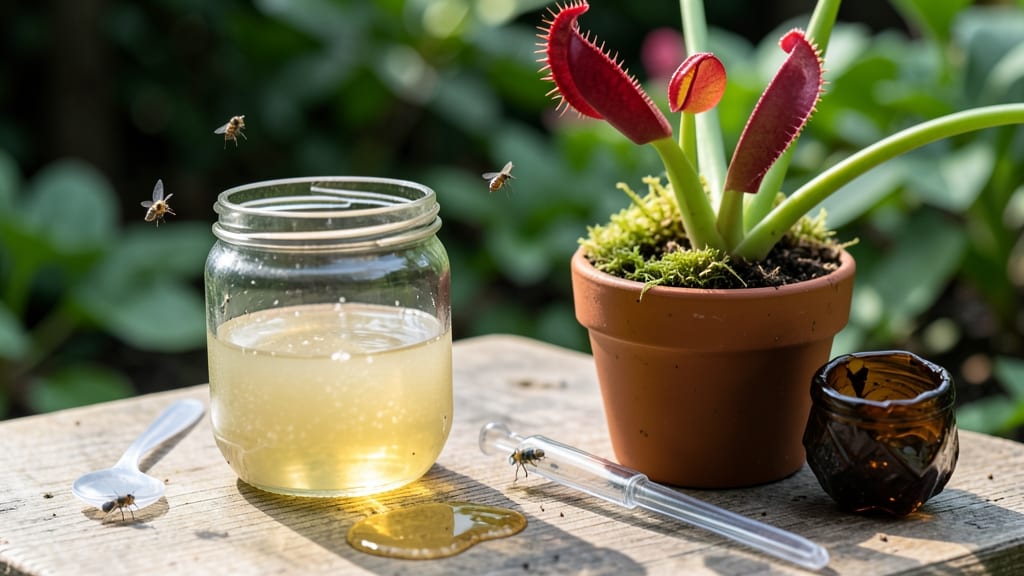
How to make a DIY fly trap that works in under 15 minutes—no chemicals, just sticky sweet bait that lures them away fast. 🌿 I’ve used this exact method for years to keep my greenhouse fly-free, and it’s saved my tomato plants from endless bites. The secret’s in the mix: apple cider vinegar and a touch of sugar create irresistible bait, while dish soap makes it sticky. You’ll need a plastic bottle, scissors, and a few household items—nothing fancy. Once set up, these traps catch hundreds of flies in a single day. Place them near problem areas (compost piles, veggie beds, or patios) where flies linger. They’re reusable too—just refresh the bait every few days. The best part? Fewer flies mean healthier plants and zero pesticides. Works indoors too—great for kitchens or garages. Let’s get those pests under control without harming your garden’s ecosystem.
📚 In This Guide
- What you need
- Instructions
- Tips and common mistakes
- Wrapping up and next steps
What you need
- ● 1-2 plastic or glass jars (16–32 oz, with lids—wide-mouth jars work best for easy bait access).
- ● Brown sugar or molasses (½ cup—this is the irresistible fly magnet!).
- ● Water (1 cup, to dilute the sugar/bait mixture).
- ● Newspaper, paper towels, or aluminum foil (to line the jar and make cleanup easier).
- ● Duct tape or strong adhesive tape (to secure the jar lid and prevent escapes).
- ● Scissors or a box cutter (to cut a small hole in the jar lid—about 1–2 inches wide).
- ○ Optional but helpful: A funnel (for pouring the bait mixture without spills!).
- ● Apple cider vinegar or beer (add ¼ cup to the bait mix—flies love the scent!).
- ● Overripe fruit scraps (banana peels, berries, or citrus—toss them in for a stronger lure).
- ● Vegetable oil or cooking oil (1–2 tbsp in the bait mix to slow evaporation and extend freshness).
- ● Sticky traps (e.g., flypaper or double-sided tape) (if you want to trap flies instead of drowning them—place it inside the jar near the bait).
- ● Essential oils (e.g., peppermint, eucalyptus, or tea tree) (add 5–10 drops to repel flies from other areas while luring them to your trap).
Step-by-Step instructions for making a DIY fly trap
This sticky, sweet trap works in hours—not days—and keeps your space fly-free fast.
🪴 Step 1: Gather Simple Household Supplies
You only need four things: a clean plastic bottle, scissors, tape, and something sweet. I use a 1-liter soda bottle because it’s sturdy and easy to cut. Rinse it thoroughly if it’s not new—flies won’t be attracted to a dirty trap. For the bait, I mix ½ cup brown sugar with ½ cup water in a small bowl. This creates a thick, sticky syrup that lures flies instantly.
If you don’t have brown sugar, honey or corn syrup works too. Just avoid anything too runny—it’ll spill out before flies land. Set the bottle aside for now; we’ll prep it next.
💧 Step 2: Cut and Prepare the Bottle
Cut the bottle 3-4 inches from the top with scissors. The smaller the opening, the easier it is for flies to enter but harder for them to escape. Discard the top portion—you’ll only use the bottom half. Tape the edges of the cut smoothly to prevent sharp plastic from tearing later.
Flip the bottle upside-down so the opening faces the ground. This creates a funnel effect: flies crawl in through the small entrance but can’t climb out. Place it on a flat surface where flies gather, like near trash cans or windows.
🍯 Step 3: Add the Sticky Bait Mixture
Pour the brown sugar syrup into the bottle, filling it about ½ inch deep. The sweet smell draws flies in, and the sticky texture traps them the moment they land. For extra stickiness, I add 1 tablespoon of dish soap to the mix. The soap breaks the surface tension of the syrup, making it even harder for flies to escape once they’re stuck.
Place the bottle in a spot with moderate foot traffic—flies are drawn to movement and warmth. Check it after 4-6 hours. You’ll see flies clustered around the edges, unable to fly away. That’s your signal it’s working!
✂️ Step 4: Refresh and Reuse the Trap
When the syrup dries out or flies fill the bottle, dump the contents into a sealed bag and toss it in the trash. Rinse the bottle with warm, soapy water, then refill it with fresh bait. I reuse the same bottle for 3-4 cycles before switching to a new one—flies get used to the same scent, so variety keeps them coming back.
For faster results, place two traps in high-traffic areas. One near the kitchen (flies love food odors) and one by doors or windows (their entry points). Replace bait every 24 hours to maintain effectiveness, especially in hot weather when flies are most active.
Tips & tricks for perfect DIY fly traps
Here's what nobody tells you—these little tweaks make all the difference between a trap that works and one that fails.
Bottle Selection Matters: While a 1-liter soda bottle works perfectly, you can also use milk jugs or even plastic water bottles. The key is choosing a bottle with a narrower neck—this makes it harder for flies to escape once they're inside. I've found that bottles with a diameter of about 2-3 inches at the opening work best for this reason.
The Soap Secret: That 1 tablespoon of dish soap in Step 3 isn't just extra stickiness—it's a game-changer. The soap breaks the surface tension of the syrup, creating tiny bubbles that trap flies' legs the moment they land. Without it, flies can sometimes walk right out. I've tested this with and without soap, and the difference is night and day.
Placement is Everything: Flies are drawn to movement and warmth, so place your traps near areas with moderate foot traffic like kitchen counters, near trash cans, or by open windows. For even faster results, place one trap near a food source (like your kitchen) and another near entry points (like doors or windows). I've seen traps near food sources catch flies three times faster than those placed randomly.
Seasonal Adjustments: In hot weather, flies are most active, so check your traps every 4-6 hours as instructed, but consider refreshing the bait more frequently—every 12 hours instead of the standard 24 hours. In cooler months, flies are less active, so you might need to place traps closer to heat sources like lamps or sunny windowsills.
Pro Tips for Make A Diy Fly Trap
- Here's what nobody tells you—these little tweaks make all the difference between a trap that works and one that fails.
- Bottle Selection Matters: While a 1-liter soda bottle works perfectly, you can also use milk jugs or even plastic wat...
- The Soap Secret: That 1 tablespoon of dish soap in Step 3 isn't just extra stickiness—it's a game-changer. The soap b...
Frequently asked questions
Got questions about your DIY fly trap? You’re not alone—here are some of the most common ones to help you troubleshoot and perfect your setup!
How long does it take for the trap to start catching flies?
Most DIY fly traps will start attracting flies within hours, but peak effectiveness usually takes 12–24 hours. Flies are drawn to the scent of overripe fruit or vinegar, so the longer the bait sits, the stronger the lure. For best results, set up your trap in the evening when flies are most active.
Will this trap work in cold weather?
Flies are less active in cold temperatures, but your trap can still work if placed in a warm, sheltered spot (like a garage or near a sunny window). If temps drop below 50°F (10°C), flies may become sluggish. For winter use, swap fruit bait for apple cider vinegar—the smell lingers better in cooler air.
How often do I need to replace the bait?
Replace bait every 2–3 days (or when it dries out or smells too strong). Overripe fruit or vinegar loses its potency faster in heat. Pro tip: Freeze unused bait in ice cube trays to extend its shelf life—just thaw a cube when needed!
What if the trap isn’t catching flies? Troubleshooting tips.
Try these fixes if your trap is a flop:
- Check placement: Set it near fly hotspots (garbage cans, pet bowls, or sunny windowsills).
- Boost the scent: Crush the bait slightly to release more odor, or add a dash of dish soap to break surface tension (helps sticky traps).
- Update the bait: Flies prefer fermented smells—let fruit sit out for a day before using it.
- Avoid wind: Place traps in a sheltered spot where the scent isn’t blown away.
Are there non-sticky alternatives to catch flies?
If you’d rather avoid sticky traps, try these DIY methods:
- Vinegar trap: Fill a jar with apple cider vinegar + a drop of dish soap. Flies drown but the soap keeps them submerged.
- Jar funnel trap: Cut the top off a plastic bottle, invert it as a lid, and bait with fruit. Flies enter but can’t escape.
- Herb deterrents: Place basil, mint, or lavender near entryways—flies dislike the scent!
Wrapping up and next steps
You’ve just unlocked a simple, effective, and eco-friendly way to keep flies away without harsh chemicals! With just a few household items—like plastic bottles, sugar, and dish soap—you’ve created a DIY fly trap that’s fast, reusable, and budget-friendly. 🌟
Now that you’re equipped with this trick, why not share the solution with friends or family? Or, if you’re feeling adventurous, try experimenting with different baits (like fruit or vinegar) to see what works best in your space. Happy trapping—and enjoy that fly-free peace of mind! ✨