
Blooming
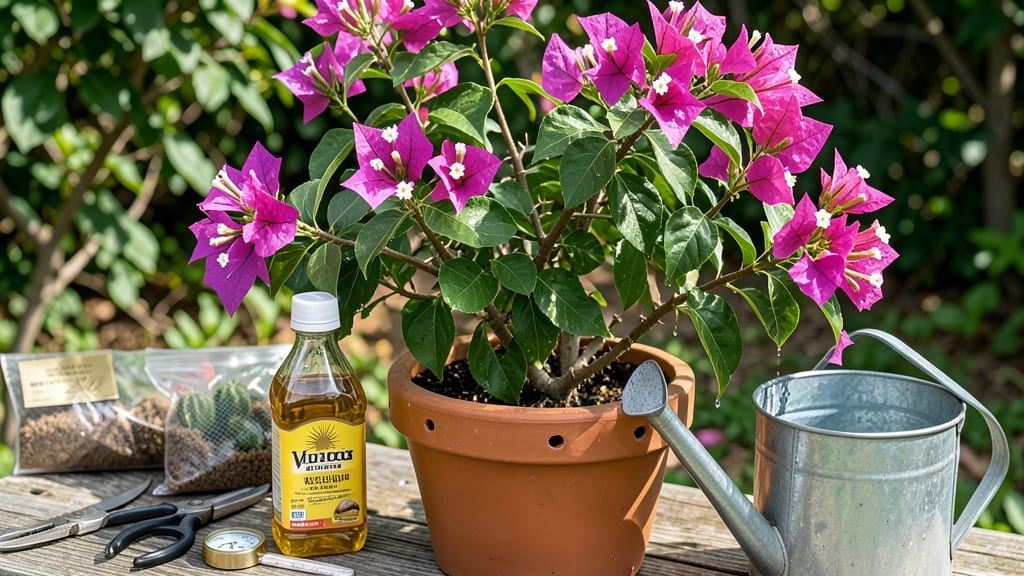
Your bougainvillea’s bright pink blooms could be hiding in plain sight—if you know the secret. 🌸 The problem isn’t the plant itself; it’s how we treat it in pots. Too little sun, too much water, or wrong pruning timing can leave you staring at lush green vines with zero flowers.
I’ve turned three bare-stemmed potted bougainvilleas into blooming powerhouses using just three key fixes—sunlight, soil, and smart pruning.
Most people assume bougainvillea needs constant full sun, but the real trick is matching light to your climate. In hot zones, afternoon shade prevents leaf burn; in cooler areas, a south-facing window or grow light bridge the gap. The soil? It’s not about fancy mixes—drainage is everything.
Amend heavy potting soil with perlite or coarse sand to keep roots from sitting in wetness, which strangles blooms faster than anything. And here’s the kicker: drought stress triggers flowering, so let the top inch dry between waterings.
Pruning feels scary, but it’s the game-changer. Cut back leggy stems in early spring to encourage new growth, and always prune just above a leaf node. The blooms? They’re not on the main stems—they’re those papery bracts hiding on the new shoots.
With the right timing, you’ll see buds forming in 4-6 weeks, and those vibrant clusters will last all season if you deadhead spent blooms. The best part? This works for both outdoor pots and container gardens on patios.
Fair warning: bougainvillea tests patience. It’s not a plant that rewards rushed care—it demands consistency. But once you crack the code, you’ll have year-round color in pots that neighbors will beg for cuttings from. Let’s fix that bare-stemmed disappointment and turn it into a showstopper.
📚 In This Guide
- What you need
- Instructions
- Tips and common mistakes
- Wrapping up and next steps
What you need
- ● Bougainvillea plant: Choose a healthy, well-established variety (e.g., 'Thornless' or 'Double Pink') from a nursery or garden center.
- ● Pot: A well-draining container (12–18 inches in diameter) with drainage holes. Terracotta or fiberglass pots work best.
- ● Potting mix: A lightweight, fast-draining blend—mix cactus/succulent soil (60%) with perlite or pumice (40%) for aeration.
- ● Fertilizer: Balanced liquid fertilizer (e.g., 10-10-10) for general growth.
- ● High-phosphorus fertilizer (e.g., 5-10-5 or 7-9-5) to boost blooming (apply every 4–6 weeks during spring/summer).
- ● Pruning tools: Sharp, sterilized bypass pruners (for clean cuts).
- ● Hand pruners or felco pruners (for thicker stems).
- ○ Support (optional but helpful): A small trellis, bamboo stake, or wire cage to guide vining varieties.
- ● Gloves: Heavy-duty gardening gloves (bougainvillea has thorns!).
- ● Spray bottle: For misting (helps with humidity in dry climates).
- ● pH testing kit: To check soil acidity (ideal range: 6.0–7.0).
- ○ Slow-release granules: Optional osmocote or similar for steady nutrients.
- ● Mulch: Gravel or pebbles (top layer) to retain heat and deter weeds.
Step-by-Step instructions for encouraging bougainvillea blooms in containers
Here's the straightforward approach I use to turn potted bougainvilleas into nonstop flowering powerhouses.
☀️ Step 1: Position for Maximum Sunlight Daily
Bougainvillea thrives on 6-8 hours of direct sunlight—that's non-negotiable for blooms. Place your pot where it gets morning sun and afternoon light, or move it daily if your space changes. A south-facing patio or balcony works best, but east or west exposures can work if you supplement with a grow light for 4-6 hours during cloudy days.
You'll know it's getting enough light when the leaves stay deep green and the stems grow sturdy. If leaves turn yellow or stems stretch thin, your plant is begging for more sun. I rotate my pots weekly so all sides get even exposure—this prevents lopsided growth and keeps the plant compact.
🌱 Step 2: Feed with High-Phosphorus Fertilizer Monthly
Blooms come from phosphorus, not nitrogen—so skip the all-purpose fertilizer. Use a balanced 10-30-10 or 7-9-5 formula every 4-6 weeks during the growing season (spring through fall). Dilute it to half-strength to avoid burning roots, and always water the soil first to help distribute nutrients evenly.
I like to fertilize right after pruning in early spring, then again in late summer. You'll see new flower buds form within 2-3 weeks of feeding—watch for the small, papery bracts that develop along the stems. If you notice mostly leaves with few flowers, you're overdoing the nitrogen.
✂️ Step 3: Prune Strategically After Each Flowering Cycle
Prune right after blooms fade to encourage new growth and more flowers. Cut back one-third of the oldest stems to the nearest leaf node, using clean, sharp pruners. This removes spent blooms and redirects energy to younger stems that produce more flowers. Always make cuts at a 45-degree angle just above a leaf node to prevent water from pooling.
I also shape the plant by trimming leggy growth to maintain a bushy form. Never prune into bare wood—you'll never get new blooms from old wood. If your bougainvillea looks woody with few leaves, it's past its prime and needs drastic renewal. In that case, cut back half the plant to encourage fresh, flowering growth.
💧 Step 4: Water Deeply but Infrequently
Bougainvillea hates soggy roots—water only when the top 2 inches of soil feel dry. Stick your finger in the soil; if it's damp, wait another day. When you do water, soak the pot until water runs out the drainage holes. This encourages deep root growth, which leads to stronger stems and more blooms.
I water mine in the morning so the plant can dry out during the day. Overwatering causes yellow leaves and weak stems, while underwatering leads to droopy, wilted foliage. If you notice leaves curling or falling, adjust your watering schedule immediately. Mulching with 2-3 inches of organic mulch helps retain moisture without suffocating roots.
🪴 Step 5: Repot Every 2-3 Years for Fresh Soil
Bougainvillea grows fast, and roots outgrow pots quickly. Repot in early spring before new growth begins, choosing a container just 1-2 inches larger in diameter than the current one. Use a well-draining cactus or succulent mix blended with perlite or pumice for aeration.
When repotting, trim any circling or tangled roots gently with pruners. This encourages outward growth and prevents root-bound stress. I always add a handful of slow-release fertilizer to the new soil mix to give the plant a nutrient boost. After repotting, place the plant in bright, indirect light for 1 week to reduce shock before moving it back to full sun.
Tips & tricks for perfect bougainvillea blooms in pots
Here's what nobody tells you about keeping your potted bougainvillea flowering like crazy—these are the details that make all the difference.
Sunlight Strategy: If your bougainvillea isn't getting the full 6-8 hours of direct sunlight, don't just give up on it. Try positioning it near a south-facing window during winter months when sunlight is weaker. I've seen dramatic improvements in color intensity when I moved my pots closer to the glass during overcast days. That extra light makes a world of difference, especially for indoor plants.
Soil Mix Secret: The 50/50 cactus mix and perlite blend isn't just about drainage—it's about aeration too. I've found that adding a handful of coarse sand to the mix helps prevent compaction over time. This keeps those roots happy and actively growing, which means more energy for producing those vibrant bracts. The key is to keep that soil light and airy.
Pruning Precision: When you're cutting back that 1/3 of the plant in Step 3, make sure you're looking for those leaf nodes—those little bumps where leaves grow out. Cut just above one of these nodes, and you'll encourage new growth right there. I've made the mistake of cutting too close to the stem, and it takes forever for new shoots to appear. Those new shoots are where your next round of blooms will come from.
Fertilizer Timing: The 4-6 week feeding schedule is crucial, but timing matters just as much. I've noticed that applying fertilizer right after a heavy rain or watering can wash away nutrients before the plant can absorb them. Wait until the top inch of soil is dry before feeding, and you'll see better results. Also, those 2-3 weeks until buds form? That's your reward for patience—don't rush the process.
Pro Tips for Make Bougainvillea Bloom In Pots
- Here's what nobody tells you about keeping your potted bougainvillea flowering like crazy—these are the details that make all the difference.
- Sunlight Strategy: If your bougainvillea isn't getting the full 6-8 hours of direct sunlight, don't just give up on it.
- Soil Mix Secret: The 50/50 cactus mix and perlite blend isn't just about drainage—it's about aeration too.
Frequently asked questions
Got questions about keeping your potted bougainvillea in full bloom? Here are some of the most common ones—and their answers—to help you troubleshoot and succeed!
Why isn’t my bougainvillea blooming, even with plenty of sunlight?
Bougainvillea needs bright, direct sunlight (6+ hours daily) to trigger blooms. If your pot is in partial shade, move it to a sunnier spot. Also, check for over-fertilizing with nitrogen—this promotes leafy growth over flowers. Use a low-nitrogen, high-phosphorus fertilizer (like 5-10-10) instead.
How long does it take for bougainvillea to bloom after planting?
With ideal care, you’ll see new blooms in 4–8 weeks after pruning or repotting. However, established plants (1+ years old) may take 2–3 months to respond to changes like sunlight, fertilizer, or pruning. Patience is key—bougainvillea rewards consistency!
Can I make bougainvillea bloom indoors or in low-light conditions?
Unfortunately, bougainvillea struggles indoors—it thrives on intense sunlight that’s hard to replicate inside. If you must grow it indoors, place it near a south-facing window with a grow light (12+ hours/day). For low-light spots, consider alternative flowering plants like ibiscus or orchids that tolerate less sun.
Does pruning bougainvillea encourage more blooms?
Yes! Pruning stimulates new growth and blooms by removing old wood. Trim back 1/3 of the plant in early spring (before new growth) and lightly shape after blooming to maintain vigor. Never prune in fall or winter—this can delay spring blooms.
Is it normal for bougainvillea to drop buds before they open?
Bud drop usually means stress from overwatering, underwatering, or temperature swings. Keep soil slightly dry between waterings and avoid drafts. If blooms form but fall, check for pests (like spider mites) or nutrient deficiencies (yellow leaves = too much nitrogen).
Still stumped? Try adjusting one thing at a time (like sunlight or fertilizer) to pinpoint the issue. Happy blooming!
Wrapping up and next steps
Growing vibrant bougainvillea in pots is totally doable—just remember: sunlight, well-draining soil, and smart pruning are your secret weapons! 🌸 With these tips, you’ll enjoy stunning blooms year-round, even in small spaces.
Start small, stay consistent, and don’t forget to celebrate every new flower—your green thumb is growing stronger every day!
Ready to level up? Experiment with colors by trying different varieties or mix in complementary plants for a showstopping container garden. Happy blooming! 🌿✨