
Flowers
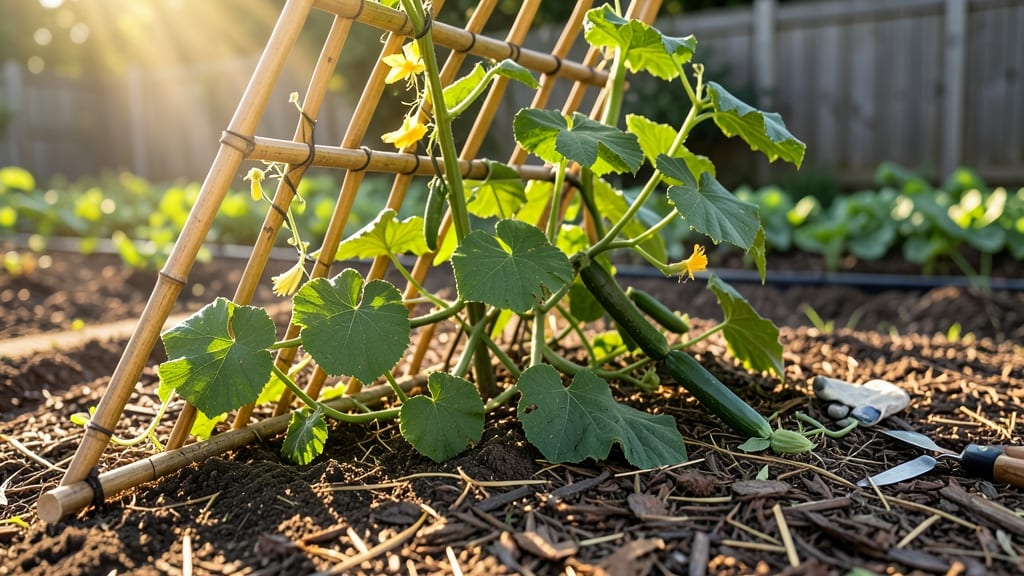
Cucumber plants stubbornly refusing to flower? 🌱 The secret isn’t magic—it’s matching their needs. I’ve coaxed blooms from finicky vines by fixing just three things: light, warmth, and water balance. Most gardeners overlook one of these, and that’s why their plants stay leafy but barren.
Cucumbers need 12+ hours of bright light daily—sunny windows or grow lights work, but weak light = no flowers. Keep temps between 70-90°F (they bolt or stop flowering outside this range), and water deeply but consistently—dry spells trigger flower drop.
Indoor growers often miss the heat requirement, which explains why their plants seem stuck.
With the right conditions, you’ll see male flowers first (they’re the little yellow trumpets), followed by female flowers (with tiny cucumbers forming at the base). Hand-pollinate indoor plants by gently brushing stamens with a paintbrush—this forces fruit set even without bees.
The payoff? Ripe cucumbers in 6-8 weeks instead of leafy disappointment.
This works for both outdoor vines and container-grown plants. The key is patience—some varieties take 2-3 weeks to adjust to ideal conditions before flowering. Let’s get those blooms going!
📚 In This Guide
- What you need
- Instructions
- Tips and common mistakes
- Wrapping up and next steps
What you need
- ● Cucumber seeds or seedlings: Choose a variety suited to your climate (e.g., ‘Straight Eight’ or ‘Lemon Cucumber’). If starting from seed, pick 3–5 healthy seeds per pot.
- ● Containers or garden bed: For containers: 5–10 gallon pots with drainage holes (1 plant per pot).
- ● For garden beds: Well-draining soil in a sunny spot (6+ hours of sunlight daily).
- ● Potting mix: High-quality, well-draining soil (avoid heavy clay). Mix in compost or coconut coir for nutrients.
- ● Watering can or hose: With a gentle spray nozzle for even moisture.
- ● Fertilizer: Balanced 10-10-10 NPK or organic options like compost tea or worm castings.
- ○ Trellis or stakes: Optional but highly recommended for vertical growth (3–5 ft tall).
- ● Gloves & trowel: For planting and soil prep.
- ● Pruning shears: To trim excess leaves or dead blooms (encourages more flowers!).
- ● Mulch: Straw or shredded leaves to retain moisture.
- ● Handheld fan or spray bottle: For pollination in indoor setups (cucumbers are self-pollinating but benefit from airflow!).
- ● Grow lights: If growing indoors (12–16 hours of light daily).
Tips & tricks for perfect cucumber flowering
Simple tricks can transform your cucumber plants from leafy vines into prolific bloomers—here's how to maximize those flowers all season long.
Variety Matters: The choice between parthenocarpic ('Sweet Success' or 'Diva') and bee-pollinated ('Straight Eight') varieties determines your approach. Parthenocarpic types produce fruit without pollination, so they're ideal for containers or areas with few pollinators. Bee-pollinated varieties need the right conditions to set flowers—focus on attracting pollinators if you choose these. The ½-inch planting depth mentioned in Step 1 is crucial; planting too shallow risks exposing roots while deeper planting can delay germination.
Light and Temperature Balance: Cucumbers need that 6-8 hours of full sun daily to trigger flowering hormones. I've found that positioning grow lights 6-12 inches above plants creates the perfect supplement for indoor growers. The 55-90°F temperature range is non-negotiable—below 55°F at night and above 90°F during the day both stress plants. Watch for 3-4 inches of weekly growth as your success indicator; slower growth means you need to adjust light or temperature.
Watering Wisdom: The 1-2 inches of weekly water should be delivered consistently at the base using a soaker hose. I've learned the hard way that letting the top 2 inches dry slightly between waterings prevents both root rot and powdery mildew. Morning watering is non-negotiable—wet leaves at night create the perfect conditions for fungal diseases that can kill flowers before they open. Look for bright yellow male flowers and tiny green female buds as signs your plant is thriving.
Pruning Strategy: That initial pinch of the first few flowers when plants are small redirects energy to main stem growth. I wait until plants hit 3-4 feet tall before letting them flower freely. The 2-3 week fertilizer schedule with 10-10-10 keeps blooms coming, but switching to 5-10-10 when flowers appear is the game-changer. Remove any yellow or diseased leaves immediately—they're energy vampires that prevent flowering.
Pro Tips for Make Cucumber Flower
- Simple tricks can transform your cucumber plants from leafy vines into prolific bloomers—here's how to maximize those flowers all season long.
- Variety Matters: The choice between parthenocarpic ('Sweet Success' or 'Diva') and bee-pollinated ('Straight Eight') varieties determines your approach.
- Light and Temperature Balance: Cucumbers need that 6-8 hours of full sun daily to trigger flowering hormones.
Frequently asked questions
Got questions about growing cucumber flowers? You’re not alone! Here are some of the most common queries—and their easy answers—to help you bloom like a pro.
How long does it take for cucumber plants to flower?
Cucumber flowers typically appear 4–6 weeks after planting (or 2–3 weeks after transplanting seedlings), assuming warm soil (70°F+ or 21°C+) and proper care. Vining varieties may take slightly longer than bush types. Pro tip: Use a heat mat if your climate is chilly—it speeds up germination and flowering!
Why aren’t my cucumber plants flowering?
No flowers? Check these culprits:
- Not enough light: Cucumbers need 6–8 hours of direct sun daily. Move them to a sunnier spot or supplement with grow lights.
- Temperature stress: Flowers drop if temps dip below 55°F (13°C) or climb above 90°F (32°C). Use shade cloth in extreme heat.
- Nutrient imbalance: Too much nitrogen = leafy growth, no flowers. Switch to a phosphorus-rich fertilizer (like 5-10-10) to encourage blooms.
Can I force cucumber flowers indoors?
Yes! Grow cucumbers in containers with full sun (a south-facing window or grow lights) and keep temps warm. Use self-pollinating varieties (like ‘Bush Champion’) for easier indoor success. Hand-pollinate female flowers with a paintbrush if needed. Bonus: Train vines up a trellis to save space!
What if I only want flowers, not cucumbers?
Easy! Remove female flowers (they have tiny cucumbers at the base) and keep only the male flowers (longer stems, no bumps). Snip them with scissors to redirect energy into more blooms. Warning: If you’re saving seeds, leave a few females to develop!
How do I protect cucumber flowers from rain or pests?
Use row covers or a small greenhouse to shield blooms from heavy rain (which can damage them). For pests:
- Spray neem oil on aphids or cucumber beetles.
- Handpick squash bugs or use diatomaceous earth around the base.
- Encourage ladybugs—they love cucumber pests!
Wrapping up and next steps
Growing your own cucumber flowers is a rewarding experience that brings beauty and freshness to your garden—or even your kitchen! 🌸 With the right techniques, you can enjoy vibrant blooms year-round, whether you’re growing them for their delicate charm or the delicious cucumbers they’ll produce.
Start small, stay patient, and let nature do its magic.
Ready to take the next step? Experiment with different varieties, share your blooms with friends, or even try your hand at preserving them in floral arrangements. Your garden—and your taste buds—will thank you!