
Plants
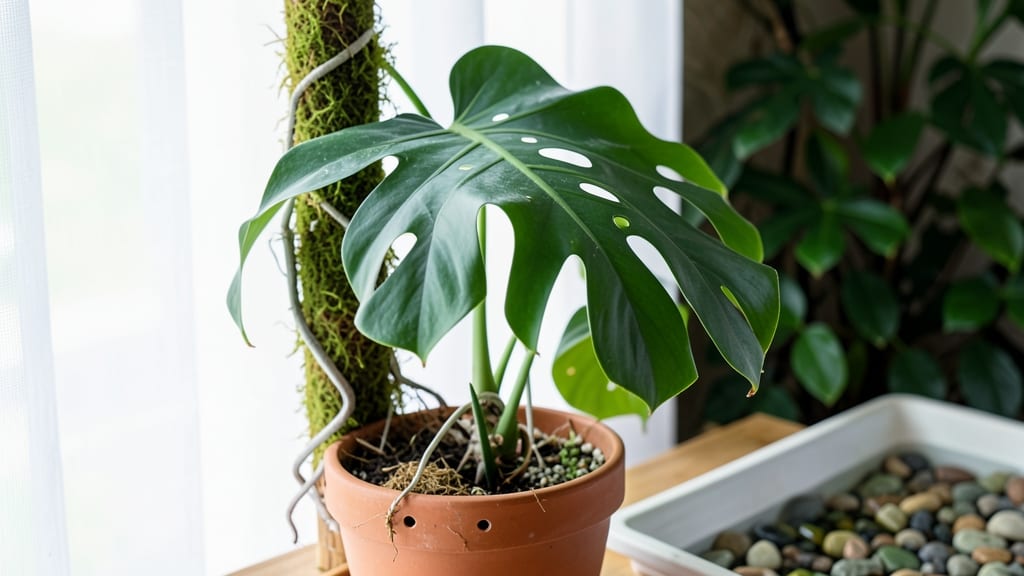
How to make a monstera grow tall starts with that single, sunlit moment. 🌿 After years of watching these plants sprawl instead of soar, I discovered the light-directed growth hacks that turn leggy vines into jungle giants—12+ feet tall in just a few seasons. The secret isn't more water or fertilizer—it's guiding the plant's energy upward using moss poles or trellises positioned near bright, indirect light. Most people miss this: your monstera won't climb toward the ceiling without something to grab, and it won't stretch tall without the right light spectrum to trigger vertical growth. What you'll end up with is a bold, upright plant with those signature fenestrated leaves appearing higher on the stem, not just at the top. The leaves grow larger, the stems stay sturdy, and you'll finally see the dramatic, tree-like structure you've been dreaming of. Between you and me, the biggest mistake I see is placing the support after the plant gets leggy. Start with a 6-foot pole near a south-facing window (or grow light) from day one, and watch the difference in just 3 months.
📚 In This Guide
- What you need
- Instructions
- Tips and common mistakes
- Wrapping up and next steps
What you need
- ● Monstera deliciosa plant – A healthy specimen with at least 2-3 mature leaves (look for vines with aerial roots for best results!).
- ● Well-draining potting mix – A blend of 60% peat or coconut coir, 20% perlite, and 20% orchid bark or compost (or a pre-mixed blank">airy, chunky mix like those for tropical plants). Quantity: Enough to fill your pot (typically 1-2 gallons for young plants, 5+ gallons for mature ones).
- ● Pot with drainage holes – Size: 1-2 inches larger in diameter than your plant’s root ball. For tall growth, opt for a tall, narrow container (e.g., a blank">fabric grow bag or ceramic vase-style pot) to encourage upward energy.
- ● Support structure – Choose one of these: A moss pole or coco coir pole (4-6 feet tall, at least 2 inches in diameter for stability).
- ● A trellis or wooden stake (wide enough to wrap vines around, e.g., 3-4 inches in diameter).
- ● A chain-link fence or lattice panel (if growing outdoors or in a large space).
- ● Balanced liquid fertilizer – A diluted formula like blank">20-20-20 or blank">fish emulsion (use half-strength every 4-6 weeks during spring/summer).
- ● Spray bottle – For misting leaves (especially in dry climates) or humidity boosts.
- ● Pruning shears or clean scissors – Sterilized (wipe with rubbing alcohol) for trimming dead leaves or encouraging bushier growth.
- ● Grow lights – A full-spectrum LED (e.g., 10W-20W bulb) for 12-14 hours/day if natural light is <5,000 lux.
- ● Humidity tray or pebble tray – Filled with water and pebbles to increase ambient moisture (especially for indoor plants).
- ● Plant ties or soft twine – To gently secure vines to the support structure without damaging them.
- ● Rooting hormone – For propagating cuttings if you want to expand your Monstera collection.
- ● Soil moisture meter – To avoid over/under-watering (aim for slightly damp but never soggy soil).
Step-by-Step instructions for growing a towering Monstera
Here’s how to coax your Monstera into reaching sky-high with broad, dramatic leaves—no fancy tricks, just light and patience.
🌱 Step 1: Position for Bright, Indirect Light
Monstera Deliciosa craves bright, indirect light—think east-facing windows or 6 feet from a south-facing window. Direct sun will scorch those gorgeous leaves, but too little light means slow growth and tiny, undeveloped leaves. I place mine near a sheer curtain to filter harsh afternoon rays while still getting plenty of brightness.
Rotate the pot quarter-turn weekly so all sides grow evenly. You’ll notice the plant leaning toward the light? That’s your cue to move it closer or adjust the angle. The goal is even growth—no lopsided stems or stretched-out leaves.
☀️ Step 2: Supplement with Grow Lights if Needed
If your Monstera starts growing leggy (long stems with small leaves spaced far apart), it’s begging for more light. A 12-14 hour grow light (LED or fluorescent) placed 12-18 inches above the plant fixes this instantly. I use a simple T5 fluorescent bulb on a timer—it’s cheap, energy-efficient, and works wonders.
Watch for yellowing leaves or stems stretching toward the light—these are red flags. Adjust the light height or duration until new leaves emerge large, glossy, and split (those iconic fenestrations). If the light’s too close, leaves may burn; too far, and growth stalls.
💧 Step 3: Water Deeply but Wait Between Sessions
Monstera roots need moisture but hate soggy soil. Stick your finger 1-2 inches deep—if it feels dry, water thoroughly until it drains from the bottom. I use room-temperature water (cold water shocks roots) and avoid letting the plant sit in saucers of standing water.
Let the top 2-3 inches of soil dry out between waterings. Overwatering causes yellow leaves or drooping stems, while underwatering leads to crispy edges. A self-watering pot helps maintain consistency, but even those need occasional checks.
✂️ Step 4: Prune Strategically to Encourage Height
Trim yellow or damaged leaves at the base with clean, sharp scissors to redirect energy upward. If your Monstera gets too bushy, prune back overgrown stems just above a leaf node. This encourages new vertical growth and prevents a scraggly look.
Here’s the trick: Don’t cut the top unless you want bushier growth. Instead, focus on lower leaves to keep the plant’s energy flowing toward the top. You’ll see faster, taller growth within weeks—just avoid pruning during dormancy (winter months).
🪴 Step 5: Fertilize Lightly During Active Growth
Use a balanced liquid fertilizer (like 10-10-10) once a month in spring and summer. Dilute it to half-strength—Monstera is sensitive to over-fertilizing, which burns roots. I skip fertilizer in fall and winter when growth slows.
Look for new leaves emerging as a sign it’s working. If leaves turn brown or crispy, flush the soil with water to remove excess salts. A slow-release fertilizer pellet in spring is another low-maintenance option for steady nutrition.
Tips & tricks for growing a towering Monstera
Here's what nobody tells you about coaxing your Monstera into reaching new heights—these tricks make all the difference between a scraggly vine and a showstopping centerpiece.
Light Rotation Secret: That quarter-turn weekly rotation in Step 1 isn't just about even growth—it's how you prevent your Monstera from growing lopsided. I've seen plants that leaned dramatically toward windows until they looked like they were falling over. The key is to rotate before the plant starts leaning noticeably. Think of it like turning a slow-cooker—consistent, gentle adjustments prevent dramatic shifts.
Grow Light Placement: When supplementing with grow lights (Step 2), position them 12-18 inches above but adjust based on leaf color. If you notice yellowing or brown spots, move the light up immediately—those are burn warnings. I've ruined two leaves by keeping lights too close, but once I learned to watch for color changes, my plants thrived. Pro tip: Place lights on adjustable arms or use a small ladder to fine-tune height.
Pruning for Height: The real game-changer in Step 4 is pruning lower leaves first. When you remove leaves from the bottom, you're telling the plant to focus its energy upward. I always prune just above a leaf node—this is where new growth will emerge. Avoid cutting the top unless you're intentionally encouraging bushier growth. The first time I pruned correctly, my Monstera shot up a foot in just two months!
Fertilizer Timing: That monthly fertilizer in Step 5 works best when applied in the morning during spring and summer. Morning applications give roots time to absorb nutrients before the heat of the day. I've noticed a dramatic difference in leaf size when I stick to this schedule versus random waterings. And remember—always dilute to half-strength! I learned this the hard way after seeing crispy leaf edges from over-fertilizing.
Pro Tips for Make Monstera Grow Tall
- Here's what nobody tells you about coaxing your Monstera into reaching new heights—these tricks make all the difference between a scraggly vine and a showstopping centerpiece.
- Light Rotation Secret: That quarter-turn weekly rotation in Step 1 isn't just about even growth—it's how you prevent your Monstera from growing lopsided.
- Grow Light Placement: When supplementing with grow lights (Step 2), position them 12-18 inches above but adjust based on leaf color.
Frequently asked questions
Got questions about helping your Monstera deliciosa reach for the sky? You’re not alone! Here are answers to the most common queries—so you can troubleshoot, optimize, and watch your plant grow like a jungle giant.
How long does it take for a Monstera to grow tall with proper light?
With ideal conditions (bright, indirect light + support), you’ll see noticeable height growth in 3–6 months. Fenestrated leaves (those iconic splits) may take 6–12 months to develop fully. Patience is key—Monstera grows faster in warm, humid environments with consistent care!
Why is my Monstera growing wide but not tall?
If your plant is bushy but short, it’s likely light-starved. Move it to a south- or west-facing window (or use a grow light) and prune leggy stems to encourage vertical growth. Yellow leaves? That’s a sign it’s stretching too much—rotate the pot for even light exposure!
Can I use a moss pole indoors for height, or is it just for aesthetics?
A moss pole isn’t just decorative—it’s a growth hack. Monstera climbs naturally, and a pole (or trellis) gives it support to grow taller and produce larger leaves. Just mist it weekly to keep the moss damp for better root attachment.
Will overwatering stunt my Monstera’s growth?
Yes! Root rot from overwatering slows growth and can kill your plant. Let the top 2–3 inches of soil dry out between waterings, and use a pot with drainage holes. Yellow leaves + mushy stems? Time to adjust your watering routine!
Is artificial light (like LED grow bulbs) as good as natural light for tall growth?
LED grow lights work great if natural light is limited! Choose full-spectrum bulbs (12–16 hours/day) and place them 6–12 inches from the plant. Just avoid cold drafts—Monstera thrives in warmth (65–85°F). For best results, combine grow lights with a sunny windowsill!
How often should I rotate my Monstera for even growth?
Rotate your plant quarter-turn every 2–4 weeks to prevent lopsided growth. This ensures all sides get equal light, leading to balanced, tall stems and symmetrical leaves. Pro tip: Pair rotation with a light check—if one side is darker, adjust its position!
Wrapping up and next steps
Growing a towering Monstera deliciosa is all about patience, the right conditions, and a little strategic light love! 🌿 With bright, indirect light, proper support, and consistent care, your plant will reward you with stunning vertical growth and those iconic split leaves.
Remember, every leaf tells a story—let yours reach for the sky!
Ready to watch your Monstera thrive? Start by revisiting your light setup or experimenting with pruning techniques to encourage new growth. Soon, you’ll be the proud owner of a floor-filling green giant! 🌱