
How To
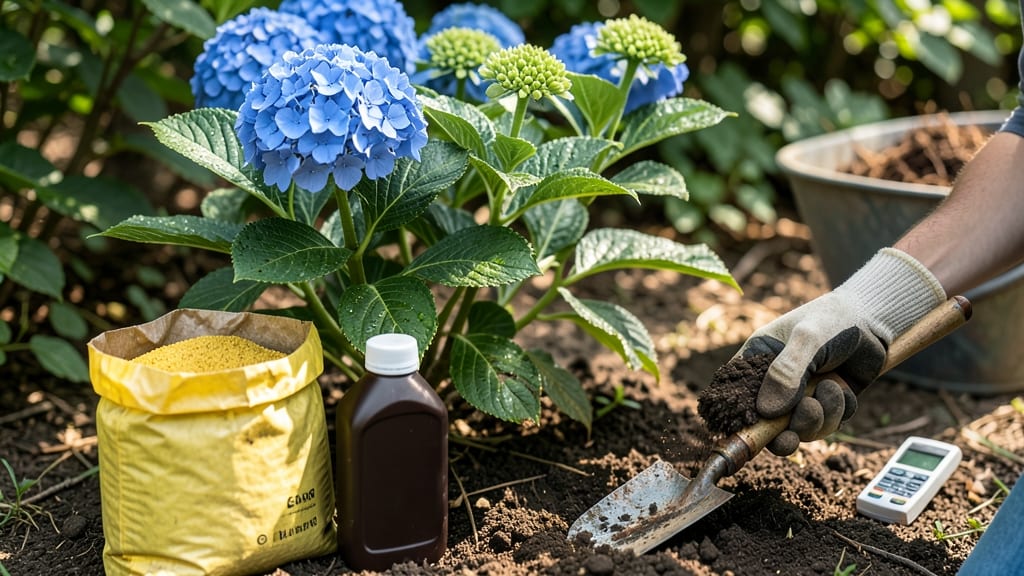
To make soil more acidic for hydrangeas, incorporate organic amendments like pine needles or coffee grounds, or use sulfur-based products. Always test soil pH first—aim for 5.2 to 5.5—and adjust incrementally to prevent root damage.
Hydrangeas are pH-sensitive plants, and their soil acidity directly impacts both bloom health and color intensity. 🌸 The key is understanding how to lower pH without overdoing it—too much acidity can stress roots, while gradual adjustments let plants adapt.
Organic methods like pine bark mulch or used coffee grounds release acid slowly, making them safer than synthetic solutions. I recommend testing soil every 2-3 weeks after applying amendments to track progress accurately.
For fastest results, elemental sulfur works within weeks, but it requires precise measurements—too much can create a toxic environment. Timing matters too: spring applications give plants time to adjust before summer blooming, while fall adjustments prepare soil for next year's growth.
Always water thoroughly after applying amendments to help distribute them evenly.
💡 In This Article
- Why Hydrangeas Thrive in Acidic Soil
- Step-by-Step Organic Soil Acidification Guide
Why hydrangeas thrive in acidic soil
Hydrangeas rely on acidic soil because their roots need specific nutrients that become available only when soil pH drops below 7.0. The magic happens with aluminum and iron—both essential micronutrients that hydrangeas crave.
In acidic conditions (pH 5.2-5.5), these minerals dissolve more easily from soil particles, making them accessible to roots. Without proper acidity, hydrangeas struggle to absorb enough aluminum, which can lead to stunted growth or pale foliage. 🌸
The pH level also directly affects flower color intensity. Blue hydrangeas (like the iconic Hydrangea macrophylla) thrive in soil with pH 5.2-5.5, where aluminum is abundant. When pH rises above 6.0, aluminum becomes less available, and flowers shift toward pink or purple hues.
This is why gardeners obsessed with blue blooms monitor pH religiously—it's not just about health, but color accuracy too. The chemistry is precise: every 0.5 pH point change can alter flower pigmentation noticeably.
Root health depends on this balance too. Hydrangeas have shallow root systems that need consistent moisture and nutrient access. Acidic soil prevents nutrient lockout, where essential minerals bind tightly to soil particles and become unavailable.
For example, phosphorus—critical for flowering—becomes 10 times more soluble at pH 5.5 than at neutral pH 7.0. This solubility boost explains why hydrangeas in slightly acidic soil produce larger, more vibrant blooms year after year. 💫
What most gardeners don't realize is that hydrangeas also benefit from the microbial activity that thrives in acidic environments. Beneficial fungi and bacteria break down organic matter more efficiently in lower-pH soil, creating a nutrient-rich zone around roots.
This microbial boost enhances nutrient cycling, giving hydrangeas a competitive edge in nutrient-poor soils. The result? Healthier plants with stronger stems and more abundant flowers—all thanks to the soil's pH chemistry.
Testing soil pH before making adjustments is crucial because hydrangeas can't tolerate sudden pH swings. A rapid drop from pH 7.0 to 4.5 might seem ideal at first glance, but it can actually burn roots by creating an overly acidic environment.
The goal is gradual acidification—aim for small, measured changes (like 0.2-0.5 pH points per season) to let plants adapt without stress. This patience pays off in vibrant blooms and robust growth. ✨
One visual clue to watch for is leaf color. Yellowing leaves with green veins often signal iron deficiency (common in alkaline soils), while dark green leaves with purple stems can indicate phosphorus stress. Both issues improve when soil pH is properly adjusted.
The key is observing these subtle signs and responding with targeted amendments. For example, if your hydrangeas produce pink blooms when you want blue, a simple pH test might reveal soil pH is hovering around 6.2—just 0.7 points away from the ideal range for blue flowers. 🌿