
How To
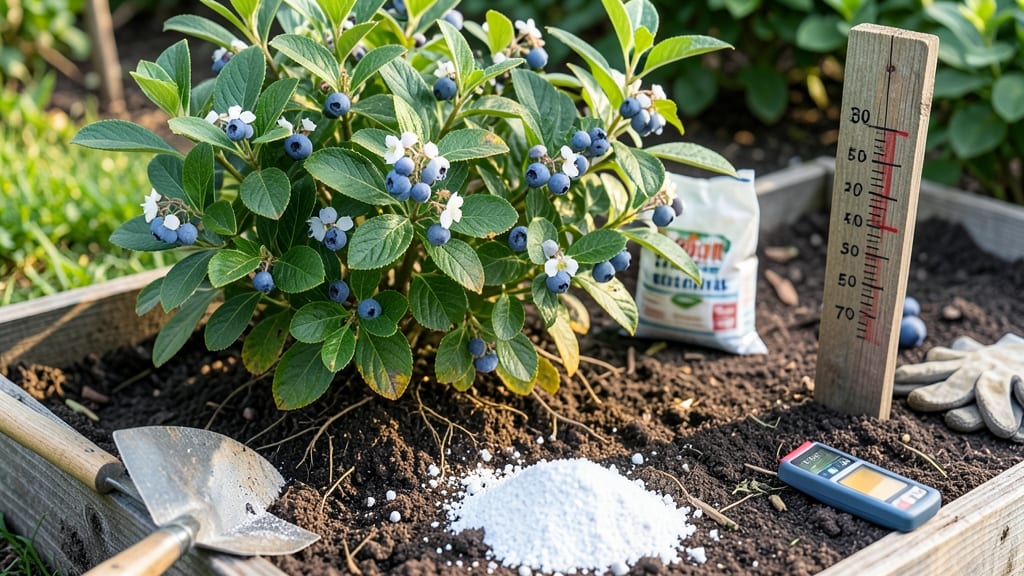
My soil's pH problems vanished after I discovered how to make soil more basic with these two game-changers: pelletized lime and wood ash—both simple ways to raise soil pH without guesswork. 🌱 The key is testing first, then applying the right amount based on your plants' needs.
Acid-loving blueberries? Not here. But tomatoes, peppers, and asparagus thrive when soil pH hits 6.5-7.0. I used to panic when my hydrangeas stayed blue instead of pink, but a simple soil test revealed the truth: my soil was too acidic.
After spreading 10 pounds of dolomitic lime per 100 square feet and mixing in 1 cup of wood ash per 10 square feet, my garden transformed. The difference? Healthier foliage, stronger roots, and blooms that actually match the seed packet.
Start with a $10 soil test kit from your local garden center—it's the only way to know if you need lime, ash, or both. Too much lime? You'll end up with sandy, lifeless soil that repels nutrients. Too little? Your plants will still struggle.
The sweet spot is gradual changes, retesting every 3-6 months until you hit the right balance. This method works for vegetable gardens, lawns, and flower beds, but skip wood ash for acid-loving plants like azaleas and rhododendrons. For them, elemental sulfur is your new best friend.
Let's get your soil balanced!
📚 In This Guide
- What you need
- Instructions
- Tips and common mistakes
- Wrapping up and next steps
What you need
- ● Lime (calcium carbonate or dolomitic lime): 10–20 lbs per 100 sq ft of soil (adjust based on current pH—test first!)
- ● Choose pelletized lime for even distribution (avoids clumping).
- ● Wood ash (from untreated hardwood): 1–2 cups per 10 sq ft (use sparingly—too much can harm soil microbes!).
- ● Must be cool and fully extinguished (never hot or smoldering).
- ● Garden gloves: Protect your hands from lime dust and sharp ash particles.
- ● Garden rake or tiller: For mixing amendments into the top 6 inches of soil.
- ● pH testing kit: Digital or liquid test strips to monitor progress (required for accuracy!).
- ● Broadcast spreader: Saves time when applying lime or ash over large areas.
- ● Soil moisture meter: Ensure soil is slightly moist before mixing (dry soil = uneven distribution).
- ● Compost or organic matter: 1–2 inches mixed in to improve soil structure while balancing pH.
- ● Watering can or hose: Lightly water soil after amendment to activate changes.
Step-by-step guide to raising soil pH naturally
Here’s how to safely adjust soil pH using proven organic methods—no harsh chemicals required.
🌱 Step 1: Test Your Current Soil pH
Before adding amendments, test your soil’s current pH using a reliable kit or meter. Most garden centers sell affordable digital probes that give accurate readings in minutes. Aim for a neutral baseline—typically 6.0-7.0—before making adjustments. If your soil tests below 6.0, it’s acidic and ready for alkalizing.
Take multiple samples from different garden beds, especially if you suspect uneven pH. I like to test in the morning when soil is cooler, as temperature can slightly skew readings. Record your results and note any areas where the pH drops significantly—these spots will need extra attention.
🪴 Step 2: Choose the Right Amendment for Your Needs
For most gardeners, pelletized lime is the most effective way to raise pH gradually. Use agricultural lime (calcium carbonate) for long-term changes, or dolomitic lime if your soil also needs magnesium. Wood ash works faster but should only be used sparingly—it’s best for small, targeted areas like around blueberry bushes or vegetable beds.
Never use quicklime or hydrated lime—these are too potent and can burn plant roots. If you’re working with container gardens, mix amendments directly into the potting soil at planting time. For in-ground beds, spread evenly over the surface and lightly rake in.
☀️ Step 3: Apply Lime or Ash According to Soil Type
For clay soils, apply 5-10 pounds of lime per 100 square feet and water thoroughly to help it penetrate. Sandy soils need less—start with 2-5 pounds per 100 square feet—since they drain faster. Wood ash requires precision: use no more than 1 pound per 100 square feet and test again in 2-3 weeks, as it can overcorrect quickly.
Work the amendment into the top 4-6 inches of soil where most roots grow. Avoid applying right before planting—wait 2-3 months to let the pH stabilize. You’ll know it’s working when your soil test shows a gradual rise, typically 0.5-1.0 pH points per application.
💧 Step 4: Monitor and Reapply as Needed
Retest soil pH 4-6 weeks after application to check progress. If results are still below your target, repeat the process with half the original amount—overdoing it can make soil too alkaline, harming acid-loving plants like azaleas or potatoes. For containers, mix a small handful of lime into fresh potting mix each spring.
Keep a garden journal to track changes. Note which amendments worked best in different areas—some soils respond faster than others. If your plants show signs of stress (yellowing leaves, stunted growth), it’s a sign the pH might have swung too far in either direction.
⏰ Step 5: Maintain Balance Over Time
Soil pH naturally fluctuates, so plan for annual adjustments. In fall, top-dress garden beds with a thin layer of compost to help stabilize pH while improving soil structure. Avoid frequent wood ash applications—it can leach essential nutrients like potassium over time.
For acid-loving plants, create microenvironments by mixing sulfur into the planting hole instead of amending the entire bed. This targeted approach keeps the rest of your garden at an optimal pH while giving sensitive plants what they need. Regular testing is your best tool for long-term success.
Tips & tricks for balancing soil pH naturally
Here’s what nobody tells you about getting your soil’s pH just right—without turning your garden into a chemistry experiment.
Testing Timing: Test soil pH in the morning when temperatures are cooler to avoid skewed readings. I’ve seen readings jump by 0.5 points when tested in hot afternoon sun—always take multiple samples from different beds, especially if you notice uneven plant growth. Morning tests give you the most accurate baseline for tracking progress over time.
Amendment Selection: Pelletized lime is your workhorse for gradual pH adjustment, but dolomitic lime adds magnesium—critical if your soil tests show magnesium deficiency alongside low pH. Wood ash is powerful but should only be used in small doses (1 pound per 100 square feet max) and never on a regular basis, as it can deplete potassium over time. Think of it as a quick fix for specific plants like blueberries rather than a garden-wide solution.
Application Strategy: When working with clay soils, water thoroughly after applying lime to help it penetrate deeper. Sandy soils need less lime but benefit from incorporating it into the top 4-6 inches where most roots grow. The key is patience—wait 2-3 months before planting to let the pH stabilize completely. I’ve seen gardeners rush this step and end up with plants struggling in soil that’s still adjusting.
Monitoring System: Keep a simple garden journal to track pH changes after each amendment application. Note which areas respond fastest and which need extra attention. Most soils show a gradual rise of 0.5-1.0 pH points per application, but some heavy clay soils may need more time. If you see yellowing leaves or stunted growth after application, it’s a sign you may have overshot your target pH—retest immediately and adjust with sulfur if needed.
Pro Tips for Make Soil More Basic
- Here’s what nobody tells you about getting your soil’s pH just right—without turning your garden into a chemistry experiment.
- Testing Timing: Test soil pH in the morning when temperatures are cooler to avoid skewed readings.
- Amendment Selection: Pelletized lime is your workhorse for gradual pH adjustment, but dolomitic lime adds magnesium—critical if your soil tests show magnesium deficiency alongside low pH.
Frequently asked questions
Got questions about raising your soil’s pH? You’re not alone! Here are some of the most common concerns—and straightforward answers—to help you get it right.
How quickly will my soil become more basic after adding lime or wood ash?
Most changes happen within 2–4 weeks, but full results may take 2–6 months, depending on soil type, moisture, and organic matter. Test your soil 3 months later for accurate results. Rain and microbial activity speed up the process!
Can I overdo it and make the soil too basic?
Yes! Over-limeing (pH > 8.0) can harm plants by locking out nutrients like iron and manganese. Start with ½ lb of lime per 100 sq ft and retest. If needed, you can lower pH later with sulfur or peat moss.
Is wood ash safe for all plants, or should I avoid it for certain types?
Wood ash is great for acid-loving plants (e.g., blueberries, azaleas)—but avoid it for acid-sensitive plants like hydrangeas (blue blooms) or rhododendrons. Stick to lime for those. Always use untreated, untreated ash (no chemicals!).
What’s a budget-friendly alternative to store-bought lime?
Try crushed eggshells (bake and grind) or oyster shell lime (cheaper than agricultural lime). For a fast fix, mix in wood ash (from untreated wood) at ½ cup per 10 sq ft. Just monitor pH closely!
How often should I check my soil pH after adjusting it?
Test every 3–6 months for the first year, then annually for maintenance. Soil pH shifts naturally due to rain, decomposition, and plant uptake. Keep a log to track progress—consistency is key!
Still unsure? Grab a soil test kit (or send a sample to a local extension office) for precise guidance!
Wrapping up and next steps
You’ve got the power to transform your soil into a thriving, alkaline-friendly environment!
By adding lime or wood ash—and following best practices like proper testing and gradual application—you’ll create the ideal conditions for plants that crave a higher pH. Don’t stop here! Grab a soil test kit, monitor your progress, and watch your garden flourish with confidence. 🌱✨
🚀 Your Next Step:
- Test again in 2-3 months to track pH changes.
- Adjust as needed—consistency is key!
- Share your success (or questions) with fellow gardeners!