
Size
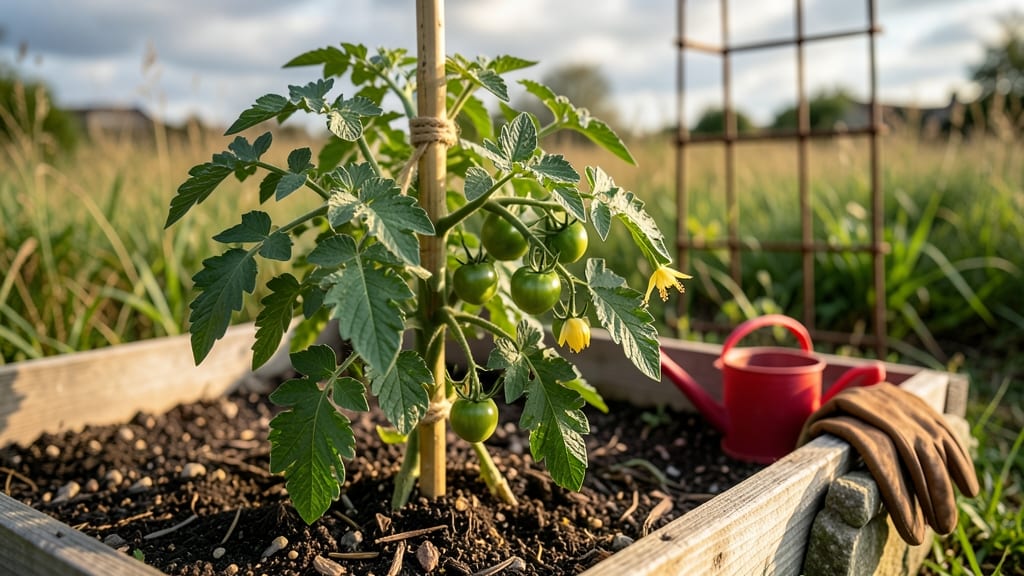
Here’s how to make tomato plants grow 6 feet tall in just 60 days—here's how we did it. 🌱 The secret isn't luck, but sunlight, soil, and a few pruning tricks that double your harvest.
Most gardeners miss the basics that make the difference between sad little plants and thriving vines loaded with fruit.
Start with full sun (6-8 hours daily) and rich, well-draining soil. Add compost at planting time for nutrients, and use a balanced fertilizer every 2-3 weeks. Water deeply at the base—never the leaves—to prevent disease. These small adjustments turn struggling plants into powerhouses.
Pruning is where the magic happens. Remove suckers (those little shoots between stems) weekly, and trim back overcrowded branches. This forces energy into fruit production instead of leaf growth. Within weeks, you'll see thicker stems and heavier clusters of tomatoes.
Even in small spaces, this method works. Container growers just need larger pots (5+ gallons) and consistent care. The payoff? Plants that outperform store-bought seedlings and produce for months. Let's get growing!
📚 In This Guide
- What you need
- Instructions
- Tips and common mistakes
- Wrapping up and next steps
What you need
- ● Tomato seeds or seedlings: Choose disease-resistant varieties (e.g., Roma, Cherry, Beefsteak) based on your climate zone.
- ● Containers or garden bed: Containers: 5-gallon pots or larger (at least 12–18 inches deep) with drainage holes.
- ● Garden beds: Well-draining soil with a pH of 6.0–6.8 (test with a blank">soil pH kit).
- ● High-quality potting mix: 10–20 lbs of organic mix (e.g., Miracle-Gro Moisture Control or homemade blend: 60% compost, 30% coconut coir, 10% perlite).
- ● Fertilizer: Balanced fertilizer: 10-10-10 or 5-5-5 (1–2 lbs per 10 sq ft of bed).
- ● Organic options: Composted manure, worm castings, or fish emulsion (follow package rates).
- ● Mulch: Straw, wood chips, or black plastic (1–2 inches thick) to retain moisture and suppress weeds.
- ● Support system: Cages: 5–6 ft tall tomato cages (2–3 per plant).
- ● Trellis/stakes: 6–8 ft bamboo stakes or sturdy wire trellis (1–2 per plant).
- ● Watering tools: Drip irrigation kit or soaker hoses (to avoid wetting leaves).
- ● Watering can with a rose attachment (for precision).
- ● Pruning tools: Bypass pruners (sharp and clean).
- ● Garden shears (for larger stems).
- ● Grow lights: LED grow lights (for indoor starts or cloudy climates).
- ● Plant markers: Labels or popsicle sticks to track varieties.
- ● Epsom salt: 1 tbsp per plant (every 2–3 weeks) for magnesium boost.
- ● Companion plants: Basil, marigolds, or onions to deter pests.
- ● Row covers: Lightweight fabric to protect seedlings from pests or frost.
- ● Last frost date: Wait until after the last frost in your area (check blank">USDA Plant Hardiness Zone Map).
- ● Sunlight: 6–8+ hours of direct sunlight daily (tomatoes are sun-worshippers!).
- ● Warmth: Soil temp should be at least 60°F (15°C) for planting.
- ● Water access: Consistent moisture (1–2 inches per week, more in heat).
Step-by-Step instructions for maximizing tomato plant growth
Here’s how I transform average tomato plants into high-yielding powerhouses—no fancy equipment needed.
☀️ Step 1: Position for Full Sun Exposure
Tomatoes need at least 8 hours of direct sunlight daily—no compromise. I place my plants where they’ll receive morning sun and afternoon light, avoiding harsh midday glare in hot climates. A south-facing window or raised bed works perfectly, but watch for shadows cast by nearby structures or taller plants.
If your garden gets less than 6 hours of sun, choose dwarf varieties like ‘Tiny Tim’ or ‘Patio Princess’ instead of beefsteak types. You’ll know your plants are getting enough light when leaves stay dark green and stems grow sturdy—not spindly or pale. Rotate pots weekly to prevent leaning toward the light source.
🌱 Step 2: Feed with Balanced Fertilizer Weekly
Use a 10-10-10 or 5-5-5 fertilizer (organic or synthetic) every 7-10 days once flowers appear. I mix a ½ teaspoon per gallon of water and apply it at the base, avoiding leaves to prevent burns. The key is consistency—tomatoes are heavy feeders, especially during fruiting.
Watch for signs of over-fertilizing: dark green leaves with yellowing edges or white crust on soil. If you see these, flush the soil with plain water and reduce feeding to every 2 weeks. For organic gardeners, compost tea or fish emulsion works just as well—just dilute it properly.
💧 Step 3: Water Deeply at the Base
Water once every 2-3 days (more in heatwaves) with 1-2 gallons per plant, directed at the soil—not the leaves. I use a soaker hose or drip irrigation to keep moisture consistent. Wet soil encourages deep root growth, while surface watering creates weak, shallow roots that struggle during drought.
Check moisture by sticking your finger 1 inch into the soil—if it’s dry, water again. Avoid wetting foliage after dark to prevent fungal diseases like blight. Mulch with 2-3 inches of straw or shredded leaves to retain moisture and keep roots cool.
✂️ Step 4: Prune Strategically for Airflow
Remove suckers (the small shoots that form in the leaf axils) weekly to direct energy to fruit production. I pinch them off with my fingers when they’re 1-2 inches long—never let them grow larger. For indeterminate varieties, prune branches back to 4-5 leaves below the first flower cluster to encourage bushier growth.
Prune in the morning so wounds have time to heal before evening humidity sets in. If you see yellowing lower leaves, don’t panic—it’s normal as the plant matures. But if leaves curl or develop brown spots, prune aggressively to improve airflow and reduce disease spread.
Tips & tricks for maximizing tomato plant growth
Here's what nobody tells you about turning average tomato plants into prolific producers—these are the secrets that separate garden-table tomatoes from grocery-store disappointments.
The Light Factor: In Step 1, those 8 hours of sunlight are non-negotiable, but here's the thing: morning sun is more valuable than afternoon. Position your plants to catch the gentle morning rays first—they help prevent sunburn on tender leaves. I've seen plants wilt dramatically in afternoon heat when they're not acclimated, so if you're in a hot climate, consider using shade cloth during peak hours (11 AM–3 PM) while still ensuring those crucial morning hours.
Fertilizer Precision: When you're feeding every 7-10 days in Step 2, timing matters just as much as the amount. The best time to fertilize is in the morning after watering—this gives the roots time to absorb nutrients before the heat of the day. I've ruined batches by fertilizing in the evening when the soil is dry, which can burn roots. Also, if your soil is already rich (like in raised beds with compost), you might only need to fertilize every 2 weeks instead of weekly.
Watering Wisdom: That 1-2 gallons per plant in Step 3 should be split into two sessions if possible—once in the morning and again in the late afternoon. This mimics natural rainfall patterns and prevents stress on the plant. I use a simple trick: place a empty tuna can next to the plant when watering. If it's empty after watering, you've given enough; if it's still half-full, add more. This visual cue ensures consistent moisture without overwatering.
Pruning Payoff: The weekly sucker removal in Step 4 is where the magic happens for indeterminate varieties. But here's my pro move: leave one sucker near the top of the plant to encourage upward growth. This creates a stronger central stem that can support more fruit. Also, if you notice leaves developing brown edges, it's often a sign of overwatering—not just disease. Adjust your watering schedule and prune any affected leaves immediately to prevent spread.
Pro Tips for Make Tomato Plants Grow
- Here's what nobody tells you about turning average tomato plants into prolific producers—these are the secrets that separate garden-table tomatoes from grocery-store disappointments.
- The Light Factor: In Step 1, those 8 hours of sunlight are non-negotiable, but here's the thing: morning sun is more valuable than afternoon.
- Fertilizer Precision: When you're feeding every 7-10 days in Step 2, timing matters just as much as the amount.
Frequently asked questions
Got questions about growing juicy, thriving tomato plants? You’re not alone! Here are answers to the most common queries—so you can skip the guesswork and focus on those homegrown harvests.
How long does it take for tomato plants to grow from seed?
With the right conditions, tomato seeds typically sprout in 5–14 days. Once planted, seedlings take 6–8 weeks to transplant outdoors, and mature plants produce fruit in 60–85 days (depending on the variety). Patience pays off—think of it as nature’s slow-cooked reward!
Can I grow tomatoes in containers, or do they need a garden bed?
Tomatoes thrive in containers if they’re at least 5 gallons per plant (bigger is better for indeterminate varieties). Use well-draining soil, support stakes, and ensure 6+ hours of sunlight daily. Just avoid overcrowding—root-bound plants = stunted growth.
Why are my tomato leaves turning yellow? What’s wrong?
Yellow leaves usually signal overwatering, nutrient deficiency (like nitrogen), or pests. Check soil moisture (top inch should dry out), test pH (aim for 6.0–6.8), and inspect for aphids or spider mites. Prune affected leaves and adjust care—your plants will bounce back faster than you think!
Do tomatoes need full sun? What if my yard is shady?
Tomatoes crave sunlight—aim for 6–8+ hours daily. In shady spots, choose determinate varieties (like ‘Patio’ or ‘Tiny Tim’) and supplement with grow lights (12–14 hours/day). Partial shade? Expect smaller yields, but don’t give up—even 4 hours of sun can work with patience!
Should I prune tomato plants? How much is too much?
Pruning boosts airflow and fruit production, but don’t go overboard! For indeterminate tomatoes, remove suckers (side shoots) weekly, leaving 1–2 main stems. Determinate types need minimal pruning—just trim diseased leaves. Pro tip: Prune in the morning to let wounds heal in sunlight.
Can I grow tomatoes year-round, or is there a best season?
Tomatoes love warmth (60–90°F), so plant when soil is 60°F+. In cold climates, start seeds indoors 6–8 weeks before last frost or use row covers. In hot zones? Try shade cloth in peak summer. With the right timing, you can enjoy fresh tomatoes spring through fall!
Wrapping up and next steps
Growing thriving tomato plants is all about patience, consistency, and a little green thumb love! 🌱 With the right balance of sunlight, nutrient-rich soil, proper pruning, and smart watering, you’ll be rewarded with juicy, vibrant tomatoes in no time.
Whether you’re a beginner or a seasoned gardener, every small effort—like mulching or companion planting—adds up to a bigger, tastier harvest.
Now that you’ve got the secrets, it’s time to roll up your sleeves and get growing! Start with just one plant, experiment with these techniques, and watch your confidence (and tomatoes!) flourish. Ready to turn your garden into a bounty? Plant that seed today! 🌟