
Advice
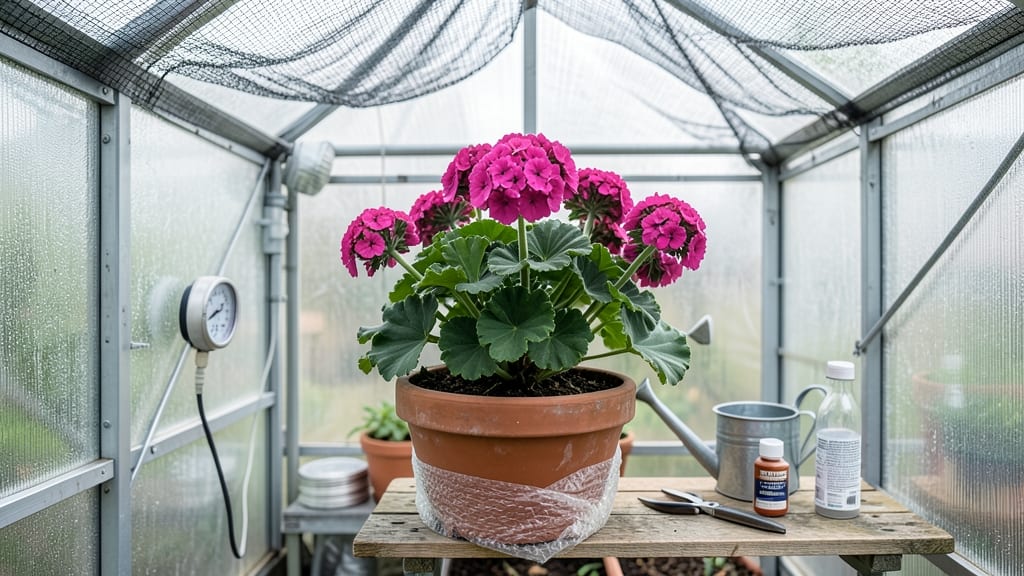
How to overwinter geraniums in a cold greenhouse won’t survive winter without this trick. 🌱 A cold greenhouse can save them—but only if you time the prep right and keep conditions just perfect. I’ve nursed geraniums through three winters this way, and they bloom like it’s spring by May. The secret isn’t fancy equipment; it’s gradual adjustments. Start by pruning back leggy stems in late fall, then move pots to the greenhouse before frost hits. Keep temps between 35–45°F—warmer, and they rot; colder, and they freeze. A simple thermometer and occasional misting (not soaking) keeps them happy through dormancy. By March, you’ll see fresh growth—proof they’ve survived. The key is slow re-acclimation: start hardening them off in shade, then move to full sun over a week. Skip this, and you’ll end up with crispy leaves or leggy, weak plants. Mistakes? Overwatering in winter (they’re dormant, not thirsty) or ignoring pests like spider mites hiding in dry leaves. But with this method, your geraniums will return bigger and bushier than ever.
📚 In This Guide
- What you need
- Instructions
- Tips and common mistakes
- Wrapping up and next steps
What you need
- ● Geranium plants: Healthy, pest-free plants (1-10, depending on your greenhouse size). Prune back leggy stems to 3-4 inches.
- ● Cold-hardy greenhouse: A structure with ventilation (manual or automatic) and temperature control (ideally 35–45°F).
- ● Thermometer/hygrometer: Digital or analog to monitor temperature (32–50°F) and humidity (40–60%).
- ● Well-draining pots: 6–10 inch diameter (1 pot per plant). Use terracotta or plastic with drainage holes.
- ● Potting mix: Sterile, well-draining blend (e.g., 50% peat moss, 30% perlite, 20% compost). Avoid garden soil!
- ● Slow-release fertilizer: Balanced 10-10-10 or organic option (1 tbsp per pot).
- ● Mulch: Straw or bark chips (1–2 inches) to insulate soil.
- ● Watering can or hose with nozzle: For gentle, infrequent watering (avoid soggy soil!).
- ● Pruning shears: Clean, sharp tools for trimming.
- ● Greenhouse shade cloth: 30–50% shade to prevent overheating on sunny days.
- ● Heating mat or heat cable: For extra insulation in frigid zones (<32°F).
- ● Humidity tray: With pebbles and water to boost moisture if air is dry.
- ● Fungicide (preventative): Copper-based or neem oil spray (1 application in early winter).
- ● Grow lights: LED or fluorescent (12–14 hrs/day) if natural light is limited.
Step-by-Step instructions for overwintering geraniums in a cold greenhouse
Here's how I've kept my geraniums thriving through winters—no fancy equipment, just smart care.
🪴 Step 1: Prepare the Greenhouse Environment
Start by ensuring your greenhouse stays between 35-45°F—geraniums won't tolerate freezing, but they also hate overheating. I install a small thermometer near the plants to monitor temps nightly. If nights dip below 32°F, I add a space heater (safely positioned) or layer extra insulation on the greenhouse walls.
Ventilation is key—condensation encourages fungal diseases. I crack a window or vent once daily during mild weather to refresh airflow. Skip this, and you'll see black spots on leaves or powdery mildew creeping in within weeks. A fan on low running for 2 hours daily also prevents stagnant air.
✂️ Step 2: Prune and Inspect Plants Before Dormancy
Cut back each geranium by one-third to remove leggy stems and damaged foliage. I use sterilized shears to avoid spreading disease, and I discard any stems with brown or mushy spots immediately. This reduces stress on the plant and prevents pests from hiding in dead growth.
Inspect for pests like spider mites or aphids—treat with neem oil spray if you spot any. I focus on the undersides of leaves where they love to hide. Once pruned, let the plants sit in a bright, shaded spot indoors for 3-5 days to harden off before returning them to the greenhouse.
💧 Step 3: Adjust Watering and Fertilization
Water only when the top inch of soil feels dry—overwatering in cold conditions suffocates roots. I use a moisture meter to check, and I water in the late morning so excess moisture evaporates before nightfall. Reduce watering by half compared to summer months, and avoid wetting the leaves to prevent rot.
Hold off on fertilizing until late winter when new growth appears. Right now, your geraniums are in a resting phase and don’t need extra nutrients. A balanced 10-10-10 fertilizer applied lightly in February gives them the boost they need to wake up.
☀️ Step 4: Provide Supplemental Light if Needed
Geraniums need at least 6 hours of light daily to survive winter. If your greenhouse gets less than 4 hours of sunlight, supplement with a grow light placed 6-12 inches above the plants. I use a full-spectrum LED bulb on a 12-hour timer to mimic natural daylight cycles.
Watch for stretched, pale stems—this is a sign of light deprivation. Rotate the plants quarter-turn weekly so they grow evenly toward the light source. If you notice buds forming in winter, your light levels are likely just right.
⏰ Step 5: Monitor and Adjust Through the Season
Check plants weekly for signs of stress: yellowing leaves mean overwatering, while dry, crispy edges signal underwatering. I also look for new growth in late winter—this is your cue to increase watering and fertilizing gradually.
If temperatures drop unexpectedly, move potted geraniums to a warmer indoor space temporarily. I keep a backup heat source (like a heated mat) ready for emergencies. By March, you’ll see fresh buds forming—this is when I start preparing for spring planting outdoors.
Tips & tricks for overwintering geraniums in a cold greenhouse
A few smart adjustments can make all the difference between geraniums that survive winter and those that thrive. Here's what I've learned after years of trial and error.
Temperature Balance: The 35-45°F range is crucial—any lower risks frost damage, while anything above stresses the plants. I've found that placing a small space heater near the greenhouse floor (not directly on plants) creates a warmer microclimate at root level, which helps maintain consistent soil temperatures. For extra protection during extreme cold snaps, I layer bubble wrap on the greenhouse walls—it's cheap, reusable, and adds significant insulation without trapping too much heat.
Pruning Precision: When cutting back by one-third in Step 2, focus on removing only the leggy, damaged, or crossing stems. I always prune just above a leaf node or bud to encourage new growth. For stubborn pests hiding in dense foliage, I give the plants a quick vinegar rinse (1:3 ratio with water) before pruning—it kills pests on contact without harming the plants. After pruning, I place the cuttings in a bright, shaded spot indoors for the 3-5 days hardening period, which helps them adjust to the indoor environment before returning to the greenhouse.
Lighting Strategy: If your greenhouse gets less than 4 hours of sunlight, don't wait until winter to set up grow lights. I've found that positioning the full-spectrum LED bulb on a 12-hour timer during late fall helps geraniums gradually adjust to reduced daylight. The key is to mimic natural daylight cycles—turn the lights on at sunrise and off at sunset. If you notice stretched, pale stems, it's a clear sign your plants need more light, and rotating them quarter-turn weekly ensures even growth toward the light source.
Emergency Backup Plan: Always have a backup heat source ready for unexpected temperature drops. I keep a heated mat (designed for reptiles) on standby—it's energy-efficient and can be placed under potted geraniums to provide targeted warmth. For container plants, I also wrap the pots in thick towels before moving them indoors during cold snaps. This extra insulation helps maintain root zone temperatures and prevents shock when transitioning between environments.
Pro Tips for Overwinter Geraniums In A Cold Greenhouse
- A few smart adjustments can make all the difference between geraniums that survive winter and those that thrive.
- Temperature Balance: The 35-45°F range is crucial—any lower risks frost damage, while anything above stresses the plants.
- Pruning Precision: When cutting back by one-third in Step 2, focus on removing only the leggy, damaged, or crossing stems.
Frequently asked questions
Got questions about overwintering geraniums in a cold greenhouse?
You’re not alone—here are answers to the most common ones to help you keep your plants thriving until spring!
What’s the ideal temperature range for overwintering geraniums in a cold greenhouse?
The sweet spot is 35–45°F (2–7°C). Geraniums can handle brief dips below freezing (25°F/-4°C), but prolonged cold or frost will damage them. Use thermometers and ventilation to monitor and adjust—think of it like giving your plants a cozy winter sweater!
When should I start preparing my geraniums for overwintering?
Begin 6–8 weeks before the first frost (typically late summer/early fall). This gives you time to prune, repot (if needed), and harden off plants gradually. Rush this step, and your geraniums may struggle with stress or disease. Patience pays off for vibrant spring blooms!
What should I do if my greenhouse gets too cold or humid?
If temps drop below 30°F (-1°C), move pots to a warmer corner or use insulation blankets. For humidity issues, improve airflow with fans or cracked vents—geraniums hate soggy roots! A dehumidifier (if available) can also help. Think of it as creating a microclimate within your greenhouse.
How do I prevent mold or pests during overwintering?
Keep the greenhouse clean and dry: Remove dead leaves, avoid overwatering, and sterilize tools between plants. Watch for spider mites or fungus gnats—spray with neem oil if needed. A quick weekly inspection catches problems early. Pro tip: Reflective mulch can deter pests naturally!
Can I overwinter geraniums in pots without a greenhouse?
Yes! Use insulated containers (like Styrofoam-wrapped pots) and place them in a garage, shed, or unheated porch (40–50°F/4–10°C). Avoid freezing temps—geraniums won’t survive long-term frost. Group pots together for shared warmth, like a plant huddle!
Wrapping up and next steps
Overwintering geraniums in a cold greenhouse is totally doable—just follow these steps to keep your plants thriving until spring! With the right prep, consistent care, and a little patience, you’ll be rewarded with vibrant blooms that’ll make your garden the envy of the neighborhood. 🌸
Now that you’re armed with knowledge, take action! Start by assessing your greenhouse setup and gathering supplies—then, watch your geraniums flourish next season. Happy gardening! 🌱