
Picking
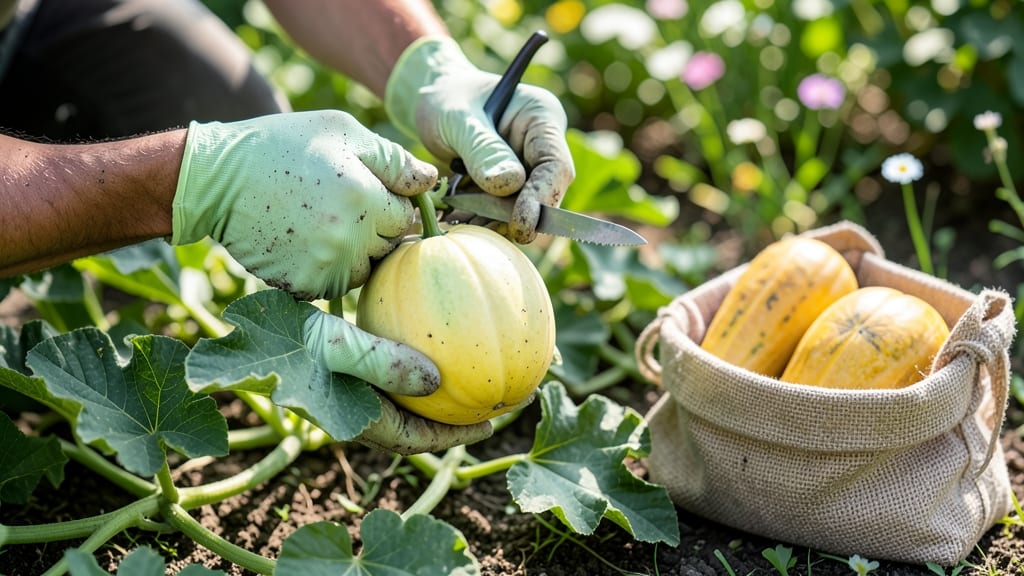
How to pick a lemon drop melon is the secret to unlocking its perfect sweetness—it’s hiding in plain sight. 🌿 The trick isn’t waiting for a specific date—it’s learning to read the melon’s signals before you cut into it. I’ve picked these melons for years, and these three simple tests will save you from the bitter disappointment of a half-ripe harvest.
The first clue is the stem: gently twist it while holding the melon. If it separates cleanly with just a little pressure, that’s your sign—like a ripe peach giving way to your touch. Next, check the color where the melon meets the vine.
A creamy yellow blush means sweetness is on the way, while green patches still need time. Finally, press your thumb into the blossom end—it should yield slightly, like a ripe avocado.
Harvest at dawn when the fruit is coolest, and use a sharp knife to avoid bruising. Once home, let it ripen fully on your counter for 2-3 more days—the sugars will concentrate, and that first bite will be worth the wait.
The melon will smell subtly sweet and floral, not like a grocery store’s sad, overripe version.
Pro tip: If you're unsure, pick a melon and let it finish ripening indoors—you can always check again in a day or two. The key is patience; a lemon drop melon won’t get sweeter once fully ripe, so timing is everything. Now go find that perfect one!
📚 In This Guide
- What you need
- Instructions
- Tips and common mistakes
- Wrapping up and next steps
What you need
- ● 1-2 lemon drop melons – Look for medium-sized (6–10 inches long) with a slightly rough, net-like skin.
- ○ Gloves (optional but recommended) – Protects hands from melon’s natural oils and potential stains.
- ● Small knife or melon slicer – A sharp, serrated knife works best for testing.
- ● Cutting board or clean surface – A stable, easy-to-clean area to prep your melon.
- ● Paper towels or cloth – For wiping hands and melon surfaces after testing.
- ○ Magnifying glass (optional) – Helps spot subtle stem details or skin texture clues.
- ○ Food scale (optional) – For precise weight checks if size isn’t a factor.
- ○ Spray bottle with water (optional) – Lightly misting the stem can enhance color contrast for testing.
- ○ Notepad & pen (optional) – Jot down notes on melons you’re comparing.
How to pick a lemon drop melon: 3 tactile tests for sweetness before cutting
Here's how to find melons that burst with flavor—no knife required.
🌿 Step 1: Check the Stem for Maturity
Look for a dry, brown stem where the melon attached to the vine. This signals the melon finished growing and ripened naturally. If the stem is still green or moist, it's not ready—wait a few more days. I always run my thumb over the stem first; it should feel rough and papery, not sticky or soft.
Here's the thing—some stores remove stems to make melons look fresher, so don't assume a stemless melon is bad. Instead, focus on the next test. But if you find one with its original stem still attached, that's your first green light.
💧 Step 2: Press the Blossom End for Give
Find the flat, slightly dimpled end where the flower used to be. Press gently with your thumb—it should yield slightly, like pressing a ripe peach. If it feels rock-hard, the melon needs more time. If it's mushy or dented, it's overripe. I like to press with about 5 pounds of pressure (just enough to leave a temporary thumbprint).
This test works because the blossom end contains the most sugar concentration. A firm press means the sugars haven't fully developed yet, while too-soft means they've broken down. Aim for that just-right, springy feel—like pressing a ripe cantaloupe.
☀️ Step 3: Listen for the Hollow Sound
Tap the melon's side with your knuckles—it should sound hollow, like knocking on a wooden door. Hold it near your ear and listen for a deep, resonant thud. A dull thump means it's underripe, while a high-pitched ping signals overripeness. I always tap near the center of the melon, about 3-4 inches from the blossom end.
This works because the seeds and flesh inside harden as sugars develop. A hollow sound means the interior is fully developed and sweet. Pro tip: Tap while holding the melon—vibrations through your hand make the sound clearer than tapping it on a surface.
✂️ Step 4: Weigh and Compare (Bonus Test)
Lemon Drop melons typically weigh between 2-3 pounds when ripe. Lift it—if it feels light for its size, it's underripe. If it feels unusually heavy, it might be overripe. I like to compare melons side by side; the heavier one of two similar-sized melons usually wins.
Don't rely solely on weight, though. Some melons stay small but pack intense flavor. Use this as a tiebreaker when other tests are inconclusive. A melon that passes the first three tests but feels slightly light might still be worth waiting a day or two.
Tips & tricks for perfect lemon drop melon selection
Finding that perfectly ripe lemon drop melon takes practice—here's how to level up your melon-picking game.
Stem Test Secret: When checking the stem in Step 1, look for a clean break where it detached from the vine. If the stem pulls off easily with a dry, papery texture, that's ideal. If it's still attached with green tissue, the melon needs more time. Pro move: Rub your thumb along the stem—it should feel like sandpaper, not slippery or sticky. This texture tells you the melon's sugars have fully developed.
Pressure Point Precision: For Step 2's blossom end test, use your knuckle instead of your thumb for more consistent pressure. Press near the dimpled center where the flower was attached—this area holds the highest sugar concentration. The melon should give slightly but spring back quickly, like pressing a ripe avocado. If it leaves a permanent dent, it's overripe; if it feels like pressing a basketball, it's underripe.
Sound Test Hack: When tapping the melon in Step 3, try this trick: Hold the melon in both hands and tap with your knuckles while listening through the melon itself. The vibrations travel better this way, giving you a clearer hollow sound. Tap near the center but avoid the blossom end—this area can sound deceptively hollow even when underripe. Aim for that deep, resonant thud that rolls like a drum.
Weight Wisdom: The 2-3 pound range in Step 4 is a good baseline, but don't dismiss smaller melons. Some of the most flavorful lemon drops I've found weighed just 1.5 pounds but passed all other tests perfectly. When comparing melons, lift them side by side—your hand's muscle memory will quickly learn what "just right" feels like for this variety.
Pro Tips for Pick A Lemon Drop Melon
- Finding that perfectly ripe lemon drop melon takes practice—here's how to level up your melon-picking game.
- Stem Test Secret: When checking the stem in Step 1, look for a clean break where it detached from the vine.
- Pressure Point Precision: For Step 2's blossom end test, use your knuckle instead of your thumb for more consistent pressure.
Frequently asked questions
What’s the best time of year to find ripe lemon drop melons?
Lemon drop melons (a type of melon) peak from late summer to early fall, typically between August and October in most U.S. regions. For the freshest flavor, visit farmers' markets or grocery stores during this window. If you’re outside this season, check specialty produce sections or ask local growers—they may have greenhouse-grown options!
Can I pick a lemon drop melon too early or too late?
Yes! Overripe melons (soft, mushy spots or fermented smells) are inedible, while underripe ones (hard rind, no aroma) lack sweetness. Aim for firm but slightly yielding skin and a strong, sweet citrusy scent near the stem. If you’re unsure, use the thump test: A ripe melon sounds hollow when tapped gently.
Where’s the best place to buy a lemon drop melon?
For peak quality, prioritize local farms, farmers' markets, or specialty grocery stores (like Whole Foods or Trader Joe’s). Avoid big-box stores unless labeled "ripe"—their melons are often picked early for shelf life. Pro tip: Ask the vendor when it was harvested; fresher = sweeter!
What if my lemon drop melon isn’t sweet after cutting?
Don’t toss it! Underripe melons can ripen at room temperature for 2–3 days. Place it in a paper bag with a banana or apple (ethylene gas speeds ripening). If it’s still bland, try ripping it open and storing it in the fridge—coldness enhances sweetness. Overripe? Use it in smoothies or baked goods instead!
Are there alternatives if I can’t find lemon drop melons?
Try these similar melons for sweet, citrusy flavor:
- Honeydew melon – Mildly sweet, creamy texture.
- Cantaloupe – More aromatic, with a firmer flesh.
- Galya melon – Smaller but intensely sweet.
- Orange flesh muskmelon – Juicy and tangy.
Wrapping up and next steps
Picking the perfect lemon drop melon is all about trusting your senses—weight, scent, and a gentle squeeze! With these three tactile tests, you’ll confidently select a sweet, juicy melon every time. 🎉
Now that you’re armed with the know-how, head to your local market or farm stand and put your skills to the test.
The next time you bite into a perfectly ripe lemon drop, you’ll savor the reward of your sharp eye—and maybe even impress fellow melon lovers with your expertise! 🍋✨