
Picking
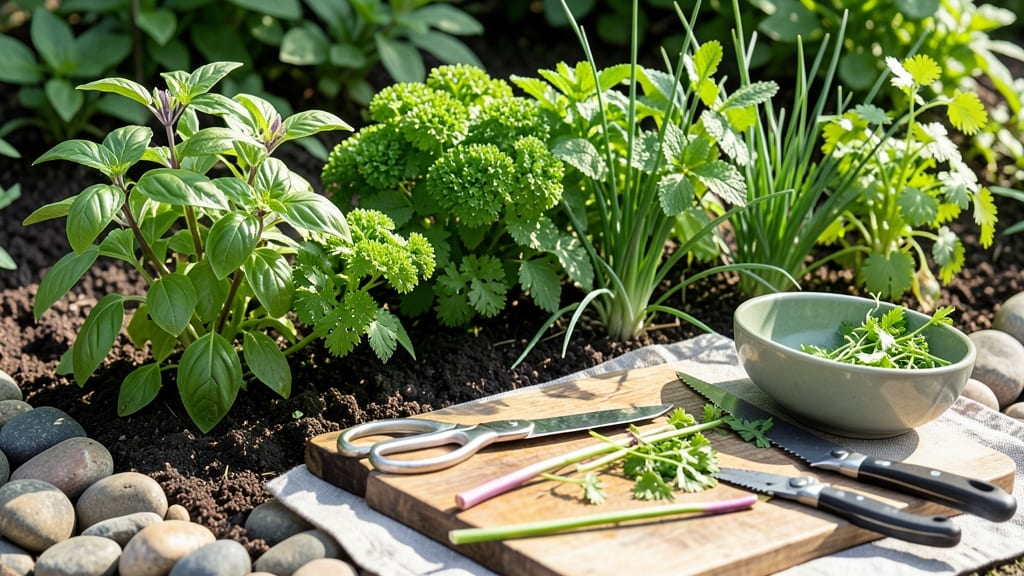
Picking fresh herbs turns every meal into a flavor explosion—if you know what to look for. 🌿 That first sniff of basil or the crisp snap of cilantro tells you everything: this is the difference between good and chef's-kitchen cooking.
The secret isn't just timing; it's reading the plant like a pro—color, texture, even the way leaves feel between your fingers. Homegrown herbs should smell intense and vibrant, not dull. Store-bought? Check for bright green stems (no yellowing) and firm, not wilted, leaves.
My rule: if it smells like a grocery store, it's past its prime. The best time to pick? Morning, when oils are at their peak. And always cut just above a leaf node—this encourages bushier growth next time.
You'll end up with herbs so fresh they taste like summer in a jar. No more sad, limp bundles from the back of the fridge—just bold, aromatic leaves that transform everything from pasta to salads. The right technique makes all the difference, and it's easier than you think.
Works for basil, cilantro, parsley, or even your neighbor's envy-worthy rosemary. Here's how to do it right every time—whether you're harvesting from your windowsill or the farmer's market."
📚 In This Guide
- What you need
- Instructions
- Tips and common mistakes
- Wrapping up and next steps
What you need
- ● Fresh herbs: Any variety you love—basil, cilantro, parsley, mint, rosemary, thyme, oregano, or dill. Pro tip: Aim for 1–3 bunches (or 1–2 stems per herb) for a balanced harvest.
- ● Sharp pruning shears or kitchen scissors: Why? Dull blades crush stems, bruising the leaves and dulling flavor. Specs: 4–6-inch blades for precision.
- ● Clean cutting board or tray: A flat surface to lay out your herbs and tools. Size: At least 12x18 inches for easy access.
- ● Paper towels or clean kitchen towel: For patting dry leaves post-pick (removes excess moisture to prolong freshness).
- ● Small bowl or jar: For storing freshly cut stems while you prep. Size: 8–16 oz capacity.
- ○ Plastic wrap or resealable bag: For temporary storage (1–2 gallon-sized bags). Optional: Use breathable herb-specific storage bags for longer shelf life.
- ● Herb-specific storage containers: Glass jars with airtight lids or silicone molds for freezing. Bonus: Labels to track varieties!
- ● Spray bottle with water: A quick mist to revive wilted herbs post-pick.
- ● Food processor or mortar & pestle: For chopping herbs on the spot (if you’re prepping a recipe immediately).
- ● Gloves (gardening or food-safe): Protects hands from oils (like mint or oregano) that can cause irritation.
- ● Notebook & pen: To jot down harvest dates or flavor notes for future reference!
Step-by-step instructions for harvesting fresh herbs at peak flavor
Harvesting herbs properly keeps them thriving while unlocking their boldest flavors—here’s how to do it right.
🌿 Step 1: Identify the Right Time for Harvesting
Harvest herbs in the morning after the dew has dried but before the midday heat sets in. This timing ensures maximum essential oil concentration, which is what gives herbs their signature flavor. For leafy herbs like basil, parsley, and cilantro, wait until the plant has at least 6-8 inches of growth and 4-6 true leaves—this signals maturity without sacrificing future harvests.
Stem herbs like rosemary, thyme, and oregano should be harvested just before they flower. The flavor compounds peak right before blooming, so watch for tiny buds forming along the stems. If you see flowers, you’ve missed the prime window—snip them off to redirect the plant’s energy back into leaf growth.
✂️ Step 2: Use the Right Tools and Technique
Use sharp, clean scissors or pruning shears—never tear leaves by hand, as this damages the plant and invites disease. I always sterilize my tools with rubbing alcohol before each harvest to prevent spreading pathogens. For leafy herbs, cut just above a leaf node (the point where leaves attach to the stem) at a 45-degree angle—this encourages new growth from that node.
For woody stems like rosemary or thyme, trim back one-third of the current growth to maintain shape and density. Avoid cutting into old wood, as it won’t regrow. If harvesting a large stem, cut it at the base and then trim individual leaves from the cut end for use—this keeps the plant’s energy focused on the main structure.
💧 Step 3: Harvest Strategically to Encourage Regrowth
Never take more than one-third of the plant’s foliage in a single harvest. This rule prevents stress and ensures the herb can recover. For example, if you’re harvesting basil, pinch off just the top set of leaves and any side shoots that have reached 3-4 inches—this pruning stimulates bushier growth. You’ll notice new leaves emerging within 7-10 days if the plant is healthy and well-watered.
For perennial herbs like thyme or oregano, focus on harvesting from the outer edges of the plant. This method encourages a fuller, denser center while still yielding plenty of leaves. Avoid harvesting from the very center unless you’re ready to thin out the plant entirely—this can leave it looking sparse and vulnerable to pests.
🌱 Step 4: Store Harvested Herbs Properly for Maximum Freshness
Rinse harvested herbs gently under cool water to remove dirt, then pat them dry with a clean towel or paper towels. Bundle stems together and wrap them loosely in a damp paper towel before placing them in a resealable plastic bag. Store in the refrigerator’s crisper drawer, where the high humidity slows wilting—this keeps herbs fresh for 7-10 days. For longer storage, trim stems and place them in a jar of water on the counter like cut flowers, changing the water daily.
If you’re drying herbs for later use, tie small bundles with twine and hang them upside down in a dark, dry, well-ventilated area. Once completely dry (usually 1-2 weeks), strip the leaves and store them in an airtight container away from light. Properly dried herbs retain flavor for 6-12 months, but they’ll never match the vibrancy of fresh-picked leaves.
⏰ Step 5: Maintain Your Herb Plants After Harvesting
After harvesting, water the plants deeply if the soil feels dry to the touch. Herb roots are shallow, so they benefit from frequent, light watering rather than infrequent deep soaks. Fertilize lightly with a balanced, water-soluble fertilizer (like 10-10-10) every 4-6 weeks during the growing season to replenish nutrients lost during harvests. Avoid over-fertilizing—herbs prefer lean soil and will develop weak, flavorless growth if overfed.
Keep an eye out for signs of stress, like yellowing leaves or leggy stems. These are red flags that the plant needs more light, less water, or a trim to encourage branching. Regular harvesting actually strengthens herb plants by promoting bushier, more productive growth—so don’t skip it! With consistent care, your herbs will reward you with bold flavor and lush foliage season after season.
Tips & tricks for perfect herb harvesting
Here's what nobody tells you about maximizing flavor and plant health—these are the secrets I wish I'd known when I first started growing herbs.
Timing is Everything: The morning dew has evaporated by 8 AM, but don't wait until midday—temperatures above 85°F cause herbs like basil to lose their essential oils and develop bitter flavors. I've learned this the hard way after harvesting wilted leaves that tasted like grass. The ideal window is between 8 and 10 AM when leaves are fully hydrated but before the sun's peak intensity.
The Technique That Changed Everything: When harvesting basil or parsley, I now use my thumb and forefinger to gently pinch leaves just above a leaf node (where leaves meet the stem). This method is gentler than cutting and prevents the plant from developing long, weak stems. For woody herbs like rosemary, I make clean cuts with sterilized shears at a 45-degree angle—this exposes more surface area for water uptake and prevents disease.
Harvesting Strategy: The "one-third rule" is non-negotiable: never remove more than one-third of the plant's growth at once. I've seen beginners take entire stems, leaving plants looking like they've been attacked by locusts. The key is working from the outside in, always preserving the center growth where new leaves emerge. This maintains the plant's compact shape and encourages bushier regrowth.
Post-Harvest Care: After harvesting, I immediately rinse herbs in cold water to remove dirt and pests, then gently shake off excess moisture. For storage, I bundle stems with a rubber band and hang them upside down in a paper bag—this mimics their natural growing position and preserves flavor for up to two weeks. The paper bag creates humidity while allowing airflow, preventing mold that plastic bags would trap.
Pro Tips for Pick Fresh Herbs
- Here's what nobody tells you about maximizing flavor and plant health—these are the secrets I wish I'd known when I first started growing herbs.
- Timing is Everything: The morning dew has evaporated by 8 AM, but don't wait until midday—temperatures above 85°F cause herbs like basil to lose their essential oils and develop bitter flavors.
- The Technique That Changed Everything: When harvesting basil or parsley, I now use my thumb and forefinger to gently pinch leaves just above a leaf node (where leaves meet the stem).
Frequently asked questions
Got questions about snagging the freshest herbs? You’re not alone! Here are answers to the most common queries—because even pros need a little help sometimes.
How do I know if herbs are still fresh at the grocery store?
Look for bright, vibrant leaves (no wilting or yellowing) and sturdy stems that snap—not bend. Smell them too! Fresh herbs should have a strong, pleasant aroma. Avoid herbs with slimy stems or brown spots, as these are signs of age or spoilage.
Can I pick herbs from the grocery store, or should I buy pre-packaged?
Yes, you can pick herbs from bunches at the store—just ask! Many stores allow it. However, pre-packaged herbs (like cilantro or parsley) are often fresher because they’re harvested later. If buying bunches, trim the stems and store them stem-down in water like flowers to extend freshness.
What’s the best way to store fresh herbs so they last longer?
For leafy herbs (basil, cilantro, parsley): Trim stems, place in a jar of water, and cover loosely with a plastic bag. Store in the fridge. For hardy herbs (thyme, rosemary, oregano): Wrap in a damp paper towel, place in a bag, and refrigerate. Pro tip: Avoid washing until ready to use—moisture speeds up spoilage!
What can I do if my herbs start to wilt before I use them?
Don’t toss them! Revive wilting herbs by trimming the stems, placing them in ice-cold water for 10–15 minutes, then transferring to a fresh jar of water. For dried-out leaves, sprinkle with a little water and let them sit for a few minutes—they’ll perk up enough for cooking. If all else fails, chop and freeze for later use!
Are store-bought fresh herbs as good as homegrown?
Not always! Homegrown herbs are often fresher and more flavorful because they’re picked at peak ripeness. However, store-bought herbs can still shine if chosen and stored correctly. For the best flavor, try growing your own—even a windowsill herb garden works! If that’s not an option, opt for organic, locally sourced herbs when shopping.
Wrapping up and next steps
Mastering the art of picking fresh herbs is all about observation, timing, and a little know-how—and now, you’ve got the tools to shine in the kitchen! 🌿 Whether you’re harvesting from your garden or selecting the best at the market, these tips ensure your herbs stay vibrant, flavorful, and ready to elevate every dish. Pro tip: Start small, practice often, and soon you’ll be the herb whisperer your recipes deserve.
Ready to take it further? Experiment with recipes—try swapping store-bought for homegrown herbs in your favorite meals and savor the difference! 🍽️