
Picking
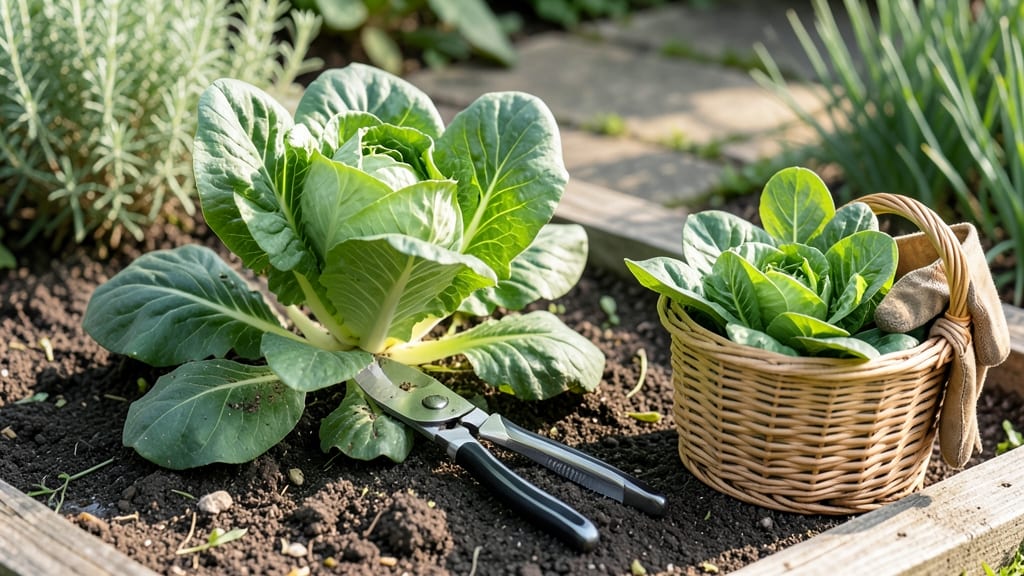
How to pick lettuce to keep it growing means fewer bitter bolts and more continuous harvests. ✂️ The secret is cutting just right—never the center, always the outer leaves—and timing it perfectly before the heat sends your plants to seed. Start with sharp scissors or clean pruners, snipping leaves at the base where they meet the stem. Leave the inner leaves intact so the plant keeps growing. Water deeply after harvesting to encourage fresh growth, and mulch to keep soil cool—this is how you stretch your harvest from weeks to months. When you do it right, you’ll get tender leaves for 6-8 weeks straight, with new growth appearing within days. The key is balance: never take more than a third of the plant at once, and avoid cutting into the growing point at the center. Common mistakes? Over-harvesting or cutting too close to the base—both lead to stress and bolting. Stick to these rules, and your lettuce will keep producing like a well-oiled machine.
📚 In This Guide
- What you need
- Instructions
- Tips and common mistakes
- Wrapping up and next steps
What you need
- ● Sharp pruning shears or scissors – Clean, sterilized (to avoid disease transfer; small kitchen scissors or garden shears work).
- ○ Gloves (optional but recommended) – Lightweight gardening gloves to protect hands from dirt and thorns (especially for varieties like romaine).
- ● Watering can or hose with a gentle nozzle – For post-harvest hydration.
- ● Organic fertilizer (balanced, 10-10-10 or similar) – 1 tablespoon per plant after harvesting to replenish nutrients.
- ● Compost or mulch – 1-2 inches to retain moisture and suppress weeds.
- ● Sun hat or umbrella (if harvesting midday) – To shield from harsh sun and heat stress.
- ● Harvest basket or tray – For easy transport of freshly picked leaves.
- ● pH testing kit – To monitor soil pH (ideal range: 6.0–7.0 for lettuce).
- ● Shade cloth (30-50%) – If harvesting during hot summers to prevent bolting.
- ● Labeling tags – To track lettuce varieties and harvest dates.
Step-by-step instructions for harvesting lettuce for continuous growth
Here's how to keep your lettuce thriving and producing fresh leaves for weeks.
🌿 Step 1: Wait for the Right Time to Harvest
Harvest lettuce when the outer leaves reach 3-4 inches in length—this is the sweet spot for tender, flavorful greens. You'll notice the leaves are large enough to eat but still crisp, not bitter. If you wait too long, the center leaves will bolt (send up a flower stalk), ending your harvest.
I like to check my lettuce every 2-3 days starting about 3-4 weeks after planting. The first few leaves you pick will be small, but they'll grow back quickly if you leave the inner leaves intact. Think of it like trimming your hair—you're shaping the plant, not cutting it down.
✂️ Step 2: Use the Right Technique to Encourage Regrowth
Never cut more than 1/3 of the plant at a time. Grab the outer leaves with one hand and use clean, sharp scissors or your fingers to snip or pull them off just above a set of smaller leaves. This leaves the plant's energy focused on growing new leaves from the center.
If you're harvesting by hand, pinch the leaves off cleanly at the base. Avoid tearing—this can damage the plant and invite pests. I always use a pair of kitchen scissors (cleaned with rubbing alcohol) for precision. You'll see new growth emerging from the center within 5-7 days if conditions are right.
💧 Step 3: Maintain Water and Soil Conditions After Harvesting
After harvesting, water the lettuce deeply to replenish moisture lost during the process. The soil should feel damp 1-2 inches down—stick your finger in to check. Lettuce has shallow roots, so consistent moisture is key to regrowth.
Keep the soil evenly moist but never soggy. Overwatering can lead to rot, while underwatering causes bitter leaves. I water mine in the morning so the foliage has time to dry before evening. If your lettuce starts to look wilted or the leaves turn yellow, it's a sign to adjust your watering routine.
☀️ Step 4: Provide Consistent Light and Protection
Lettuce needs 4-6 hours of sunlight daily for continuous growth. If your plants are in partial shade, they'll grow slowly and produce fewer leaves. You'll notice leggy, pale leaves when light is insufficient—this is your cue to move the container or provide a grow light.
Protect your lettuce from extreme heat or cold. Temperatures above 80°F or below 40°F cause bolting or stunted growth. If you're growing in hot summer months, provide afternoon shade with a sheer cloth or move containers to a cooler spot. A little shade cloth can extend your harvest season by weeks.
🌱 Step 5: Fertilize Lightly to Encourage New Growth
After your first harvest, give the lettuce a light feeding with a balanced, water-soluble fertilizer (like 10-10-10) diluted to half strength. This provides nutrients without overwhelming the plant. I mix a ¼ teaspoon of fertilizer per gallon of water and apply it when watering.
Over-fertilizing leads to bitter leaves and rapid bolting, so less is more. You'll see new growth within 7-10 days if the plant is healthy. Avoid fertilizers high in nitrogen after the first harvest—they promote leafy growth at the expense of flavor and can cause the plant to bolt prematurely.
Tips & tricks for perfect lettuce harvesting
Here's what nobody tells you about keeping your lettuce thriving after each harvest.
Timing is Everything: Those 2-3 days between checks are crucial—lettuce grows fastest when young. I've learned that checking every 2 days prevents the leaves from getting too large and bitter. If you see the center leaves starting to tighten or turn yellow, it's time to harvest before bolting begins. The sweet spot is when outer leaves reach 3-4 inches, but don't wait until they're fully mature.
Harvesting Technique: When you're ready to harvest, grab the outer leaves firmly at the base and give a quick tug. They should pull away cleanly without tearing. I always leave at least 1/3 of the plant intact to maintain growth. If you're using scissors, make a clean cut just above a set of smaller leaves—this prevents damage to the growing center. You'll notice new growth appearing within 5-7 days if you've done it right.
Light and Temperature: Lettuce needs that 4-6 hours of sunlight daily to keep producing, but temperatures above 80°F or below 40°F will stress the plant. I've found that providing afternoon shade during hot summer months makes a huge difference. If your lettuce starts looking leggy or pale, it's getting too little light. A simple grow light can extend your harvest season by weeks if natural light is insufficient.
Pro Tips for Pick Lettuce To Keep It Growing
- Here's what nobody tells you about keeping your lettuce thriving after each harvest.
- Timing is Everything: Those 2-3 days between checks are crucial—lettuce grows fastest when young.
- Harvesting Technique: When you're ready to harvest, grab the outer leaves firmly at the base and give a quick tug.
Frequently asked questions
Got questions about harvesting lettuce the right way? You’re not alone! Here are some of the most common concerns—plus quick, actionable answers to keep your lettuce thriving.
How do I know when lettuce is ready to pick?
Lettuce is best harvested when leaves are young and tender—usually 4–6 weeks after planting. Look for outer leaves that are 4–6 inches long but still crisp. Avoid waiting too long, or the leaves may turn bitter or bolt (go to seed).
Should I cut or pull lettuce leaves?
Always cut leaves with clean scissors or shears, leaving about 1–2 inches of the stem attached. Pulling leaves can damage the plant and stunt regrowth. Cutting encourages continuous harvest without harming the core.
Can I harvest lettuce in hot weather?
Lettuce struggles in temperatures above 80°F (27°C). If your garden is overheating, harvest aggressively to prevent bolting (flowering). Try shade cloth or opt for heat-tolerant varieties like Romaine or Buttercrunch for better success.
What if my lettuce keeps bolting before I can harvest?
Bolting happens due to heat, stress, or old age. To delay it:
- Plant in partial shade during peak heat.
- Keep soil consistently moist (not soggy).
- Harvest outer leaves first to slow maturity.
- Try succession planting every 2–3 weeks for fresh crops.
How do I store freshly picked lettuce?
Wrap lettuce in a damp paper towel and store in a sealed container in the fridge. For longer shelf life, trim roots and place stems in a jar of water (like flowers) for 3–5 extra days of freshness.
Still stumped? Drop your question in the comments—we’re happy to help!
Wrapping up and next steps
Picking lettuce the right way isn’t just about a fresh salad—it’s about a thriving garden! 🌱 By harvesting young leaves, trimming carefully, and giving your plants the love they need, you’ll enjoy a continuous bounty all season long. Remember, patience and consistency are your best friends in the garden.
Now that you’re armed with the know-how, roll up your sleeves and get growing! Try harvesting a few leaves this week, and soon you’ll be reaping the rewards of your green thumb. Happy gardening!