
Picking
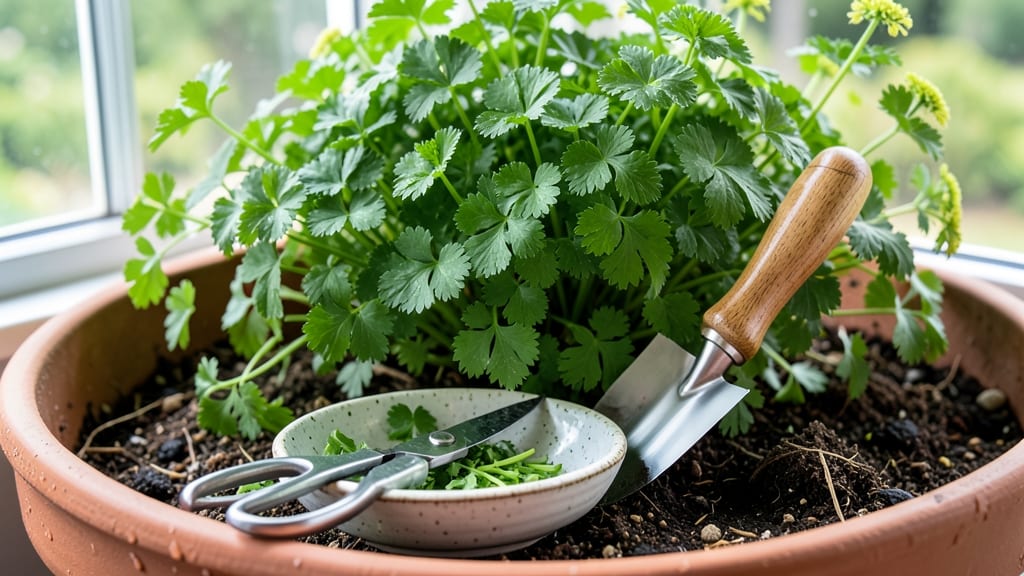
Here’s how to pick parsley so it keeps growing—the secret is simple but game-changing. ✨ The trick lies in cutting just above the lower leaves—never the woody base—so the plant keeps sending up fresh growth.
I’ve turned my parsley from a one-time harvest to a year-round staple by following this simple rule: always leave at least 3-4 inches of stem after cutting.
Timing matters too—harvest in the morning after dew dries but before the heat of the day. This keeps the leaves crisp and prevents stress. Over-harvesting in one go? Big mistake. I learned that the hard way when my flat-leaf parsley bolted after I took too much at once.
Instead, take small amounts regularly, and you’ll get continuous growth for months.
After harvesting, give it a drink if the soil feels dry, and avoid letting it sit in soggy soil. A balanced fertilizer every few weeks keeps it lush. With the right cuts and care, your parsley will stay thriving and productive through multiple harvests—no replanting needed.
Works for both flat-leaf and curly parsley, and the same rules apply whether you’re growing in pots or garden beds. Here’s how to keep it going strong all season long.
📚 In This Guide
- What you need
- Instructions
- Tips and common mistakes
- Wrapping up and next steps
What you need
- ● Sharp pruning shears or clean kitchen scissors – Dull blades crush stems and slow regrowth. Opt for bypass pruners (1-2 pairs) with sterilized blades.
- ○ Gloves (optional but recommended) – Nitrile or gardening gloves to protect hands from sap and soil-borne bacteria.
- ● Watering can or hose with a gentle spray nozzle – For post-harvest hydration. A 1-gallon capacity works for small patches.
- ● Organic compost or balanced fertilizer (5-5-5 NPK ratio) – 1 cup per 10 sq ft of parsley bed. Fish emulsion or worm castings are ideal.
- ● Measuring tape or ruler – To track stem height (aim for 3–4 inches above soil level when harvesting).
- ● Plastic container or bucket (5+ gallons) – For storing harvested stems before use or composting.
- ● Pruning paste or beeswax – Seals cuts to prevent disease (apply if stems are thick or woody).
- ● pH test kit – Ensure soil pH is 6.0–7.0 (parsley thrives in slightly acidic to neutral soil).
- ● Mulch (straw or shredded leaves) – Retains moisture and protects roots during regrowth.
- ● Grow lights (for indoor parsley) – 12–16 hours of full-spectrum LED light per day if growing inside.
Step-by-Step instructions for harvesting parsley without stunting growth
Here's how to keep your parsley thriving after each harvest—no bare stems or sad regrowth in sight.
🌿 Step 1: Wait Until Parsley Reaches Mature Size
Hold off harvesting until the plant has at least 6-8 inches of growth and shows 8-10 mature leaves. Young parsley is delicate, and cutting too early stresses the plant. You'll know it's ready when the stems feel firm and the leaves are fully unfurled—not the tiny, curled baby leaves.
I always check the base of the plant for new growth before harvesting. If you see fresh leaves emerging at the bottom, that's your cue the plant has enough energy to recover. Skipping this step leads to leggy, weak regrowth that never bounces back.
✂️ Step 2: Harvest Outer Leaves First
Use clean, sharp scissors or fingers to snip or pinch off just the outer leaves, leaving the inner growth intact. Never cut more than ⅓ of the plant at once—this ensures the center remains strong enough to produce new leaves. I like to work my way around the plant, harvesting a few leaves from each side to maintain balance.
Watch for the plant's natural shape. If you see a cluster of leaves growing together, leave the smallest, innermost leaf untouched—it's the next one to mature. The goal is to encourage bushier growth, not bald spots. Avoid cutting stems unless they're completely woody or dead.
💧 Step 3: Water Immediately After Harvesting
Give the plant a deep drink right after harvesting to replenish moisture lost during cutting. Water until 1 inch of soil feels damp—you should see water running out of the drainage hole if your pot has one. This prevents shock and helps the plant recover faster.
I always water in the morning so any excess moisture evaporates during the day. Avoid evening watering, which can lead to fungal issues. If your parsley looks wilted after harvesting, a quick soak in a tray of water for 10-15 minutes can revive it quickly.
☀️ Step 4: Provide Consistent Light and Fertilizer
Parsley thrives in 4-6 hours of direct sunlight daily, but it can tolerate partial shade. If you notice new leaves growing pale or leggy, move the plant to a brighter spot. A south-facing window or a grow light 6-12 inches away works well for indoor parsley.
Feed the plant with a balanced liquid fertilizer (10-10-10) every 4-6 weeks to encourage robust regrowth. I dilute it to half-strength to avoid burning the roots. You'll see new leaves emerge within 2-3 weeks if the plant is happy with its light and nutrients.
🌱 Step 5: Prune for Bushier Growth
Once your parsley has regrown to half its original size, trim the longest stems back by 1-2 inches to encourage branching. This step is key for preventing tall, spindly growth. Use clean scissors and make cuts just above a set of leaves or a leaf node.
I prune in the morning when the plant is fully hydrated. This gives it the rest of the day to recover before nightfall. After a few rounds of pruning, your parsley will develop a fuller, more compact shape—ideal for continuous harvesting.
Tips & tricks for perfect parsley regrowth
These little tricks will help your parsley stay lush and productive for months—no sad, bare stems in sight.
Timing is Everything: In Step 1, when checking for mature size, look for leaves that are fully unfurled with a slightly waxy texture. If you're harvesting in cooler weather, wait an extra day or two—the plant grows slower and needs that extra time to recover. I've found that parsley harvested in the morning recovers faster than afternoon harvests, so plan your picking for early in the day.
The ⅓ Rule Matters: In Step 2, when harvesting outer leaves, never exceed that ⅓ limit—this is non-negotiable for regrowth. If you're unsure, count the leaves before you start: for every 10 leaves, harvest no more than 3. I've seen beginners take half the plant at once, and within weeks, they're left with nothing but bare stems. Trust me on this.
Watering Wisdom: After harvesting in Step 3, that deep drink isn't just about hydration—it's about signaling to the plant that it's time to bounce back. If your parsley is in a container without drainage, water until you see it pooling at the bottom, then let it drain completely. I've had to rescue many a parsley plant that was left sitting in soggy soil after harvesting—always empty that saucer!
Light and Fertilizer Synergy: In Step 4, when providing light, remember that parsley is a biennial—it needs consistent light to store energy for next year's growth. If you're using a grow light, position it closer (4-6 inches away) for the first few weeks after harvesting to give the plant a boost. And that fertilizer? Always dilute it to half-strength—parsley is sensitive to salt buildup, which can actually stunt growth instead of encouraging it.
Pro Tips for Pick Parsley So It Keeps Growing
- These little tricks will help your parsley stay lush and productive for months—no sad, bare stems in sight.
- Timing is Everything: In Step 1, when checking for mature size, look for leaves that are fully unfurled with a slightly waxy texture.
- The ⅓ Rule Matters: In Step 2, when harvesting outer leaves, never exceed that ⅓ limit—this is non-negotiable for regrowth.
Frequently asked questions
about harvesting parsley without sacrificing regrowth—your quick answers!How much parsley can I safely pick at once?
Leave at least half the plant intact to ensure regrowth. For mature plants, trim outer stems (about 1/3 of the foliage) while preserving the center. Baby parsley? Snip just a few leaves to avoid stressing the plant.
How often should I harvest parsley for continuous growth?
Harvest every 2–3 weeks during the growing season (spring to fall). Flat-leaf parsley regrows faster than curly—adjust frequency based on your climate. Over-harvesting in winter slows growth, so reduce frequency in cooler months.
Can I pick parsley from the grocery store and replant it?
Store-bought parsley is often treated with growth inhibitors to keep it fresh longer, making regrowth unlikely. For success, buy organic parsley (like from a farmers' market) or grow your own from seeds—it’s worth the effort!
My parsley isn’t regrowing after picking—what’s wrong?
Check for pests (aphids, spider mites), disease (yellowing leaves = fungal issues), or poor soil (low nutrients). Trim damaged leaves, water consistently, and fertilize lightly with compost tea. If roots are shallow, mulch to protect them.
Does picking parsley in winter work the same way?
Parsley grows slowly in cold weather, so harvest less frequently (every 4–6 weeks). Protect plants with mulch or a cloche, and avoid heavy pruning—focus on trimming just the outer leaves to encourage survival until spring.
Wrapping up and next steps
Picking parsley the right way doesn’t have to be complicated—just follow these simple steps, and you’ll enjoy a bountiful, never-ending harvest! Whether you’re snipping for recipes or garnishes,
Ready to put your new skills to the test? Grab your shears and head to the garden—your freshest parsley yet is just a few snips away! 🌿✨