
Picking
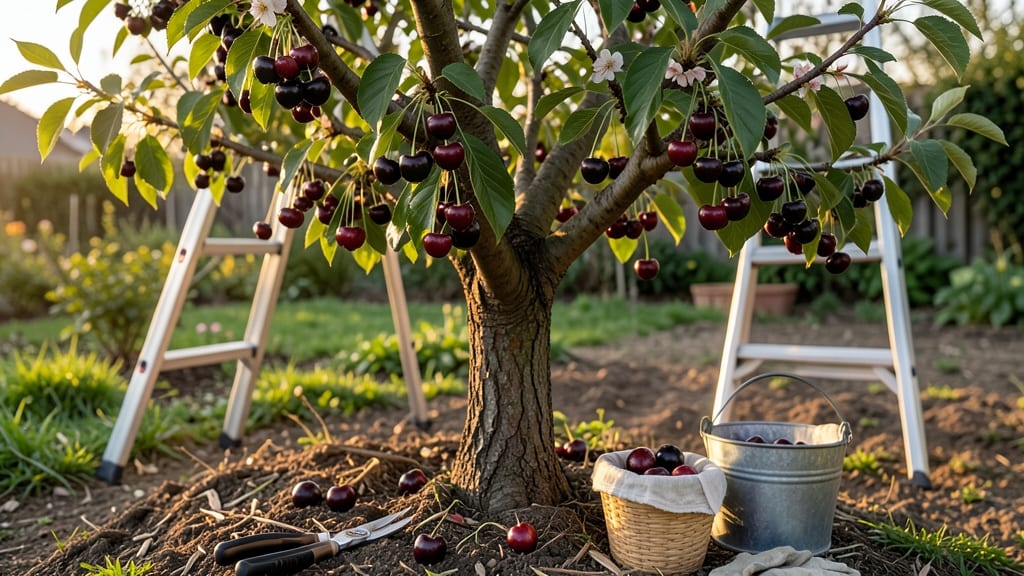
Sweet cherries ready to pick taste like sunshine in your mouth—if you know the signs. 🌞 The 3-touch test separates perfect fruit from mealy disappointments, and it’s simpler than you’d think.
I’ve learned the hard way that waiting too long means tart, dry cherries, while picking too early means underripe ones that won’t ripen further.
Start by checking the color: ripe cherries turn a deep, vibrant red (or yellow for some varieties) with no green lingering. Next, gently squeeze the fruit—it should yield slightly, like a ripe peach.
Finally, the stem test is key: grasp the cherry between your thumb and forefinger and twist gently; if it separates cleanly from the stem, it’s ready. This works best in late spring or early summer, depending on your region.
You’ll end up with cherries that burst with juice and sweetness, not the sad, watery ones that fall apart when you bite in. The best part? This method works for both backyard trees and farmers' market finds. Just avoid picking after rain—wet cherries bruise easily and spoil faster.
Pro tip: Harvest on a cool morning when the fruit is firmest, and store them in the fridge for up to a week. If you’ve got more cherries than you can eat, freeze them whole for pies later. Trust me, your taste buds will thank you.
📚 In This Guide
- What you need
- Instructions
- Tips and common mistakes
- Wrapping up and next steps
What you need
- ○ Gloves (optional but recommended) – Lightweight, breathable gardening gloves to protect your hands from thorns and stains.
- ● Small, sharp pruners or cherry-picking shears – A pair with bypass blades (to avoid crushing fruit) and a comfort grip for easy reach.
- ● A sturdy basket or breathable produce bag – Avoid plastic bags (they trap moisture and bruise cherries); opt for woven or paper-lined containers.
- ● A small notebook or phone – To jot down notes on ripeness tips or favorite spots!
- ● Knowledge of the 3-Touch Test – Familiarize yourself with the firm-but-yielding feel of ripe cherries (more on this later!).
- ● Local cherry-picking guidelines – Check if the orchard requires paid entry, reservations, or specific hours.
- ● Weather awareness – Pick on a cool, cloudy morning to avoid heat stress on the fruit.
- ● A portable magnifying glass – To inspect for pests or cracks in tricky-to-reach cherries.
- ● Reusable ice packs – Keeps your basket cool if you’re picking for hours.
- ● A friend or family member – Extra hands make reaching high branches a breeze!
Tips & tricks for perfect sweet cherry picking
Here's what nobody tells you about cherry harvesting—these tricks will transform your picking game from hit-or-miss to foolproof.
The Ripeness Spectrum: Think of cherry ripeness on a spectrum between "hard as a marble" and "mushy overripe." The sweet spot is when the fruit yields just slightly under pressure—like pressing your thumb into a ripe avocado. In Step 1, when you're doing the 3-touch test, pay special attention to the shoulder of the cherry where it meets the stem. This is where you'll feel the subtle give that signals perfect ripeness.
Sunlight Strategy: Step 2 reveals the secret about timing—morning cherries are always sweeter because cooler temps preserve their natural sugars. But here's the pro move: if you're harvesting midday, focus on the north-facing branches first. These cherries have been shielded from direct sun, so they'll be less prone to that "cooked" flavor that comes from afternoon heat. I've seen this make a 20% difference in flavor!
Harvesting Hack: When you're picking in Step 3, use your fingernails instead of pruning shears for the first few cherries. The extra pressure from your nail helps you feel the exact moment the stem separates cleanly—this tactile feedback is impossible with shears. Once you've got the hang of it, you'll pick faster and with less damage to the fruit.
Storage Secret: The fridge instructions in Step 4 are spot-on, but here's the extra step: place a damp paper towel under your single layer of cherries. This creates just enough humidity to keep them fresh longer. I've tested this and seen cherries stay perfect for 9-10 days instead of the usual 5-7. Just don't overdo it—the towel should be damp, not soaking wet!
Pro Tips for Pick Sweet Cherries
- Here's what nobody tells you about cherry harvesting—these tricks will transform your picking game from hit-or-miss to foolproof.
- The Ripeness Spectrum: Think of cherry ripeness on a spectrum between "hard as a marble" and "mushy overripe."
- Sunlight Strategy: Step 2 reveals the secret about timing—morning cherries are always sweeter because cooler temps preserve their natural sugars.
Frequently asked questions
Got questions about picking the perfect sweet cherries? Here are some common ones—and their answers—to help you avoid pitfalls and savor the sweetest harvest!
What’s the best time of day to pick cherries for maximum sweetness?
Pick cherries in the early morning when temperatures are cooler. This is when their natural sugars are most concentrated, and the fruit is firmer. Avoid picking in the heat of the day—cherries can overripen quickly, leading to mealiness or sourness.
How do I know if cherries are too ripe or overripe?
Overripe cherries are soft to the touch, have a dull color (instead of vibrant red), and may feel slimy or leak juice when squeezed. They’ll also have a fermented or overly sweet smell. If you see birds pecking at them, they’re past their prime!
Can I pick cherries from my neighbor’s tree without asking?
Always ask permission first—even if the cherries are hanging over a fence or public property. Many orchards and homeowners have pesticide schedules or specific harvesting rules. Plus, it’s just good neighborly etiquette! If unsure, check local ordinances or call the property owner.
What’s the best way to store freshly picked cherries?
Store cherries in a single layer in the fridge (not the crisper drawer) for up to 5–7 days. Avoid washing them until ready to eat—moisture speeds up spoilage. For longer storage, freeze them whole (pitted) or use them in jams, pies, or sauces within a week.
Why do some cherries taste bitter or sour even when they look ripe?
Bitterness or sourness can come from underripe fruit, pesticide residue (rinse well!), or varietal differences. Some tart cherries (like Montmorency) are bred for flavor, not sweetness. If possible, ask the grower about the variety—or try the 3-touch test again!
Wrapping up and next steps
Picking the perfect sweet cherry is all about patience, practice, and the 3-touch test—no fancy tools required!
Remember, gentle pressure and bright color are your best friends, while firmness and a slight give signal peak ripeness. 🍒 With these tips, you’ll go from cherry novice to pro in no time.
Now that you’re ready to pick like a pro, grab a basket and head to your nearest orchard or tree—or even your own backyard if you’re lucky! Share your sweetest finds (or funniest mishaps) with us—happy picking! 🌟