
How To
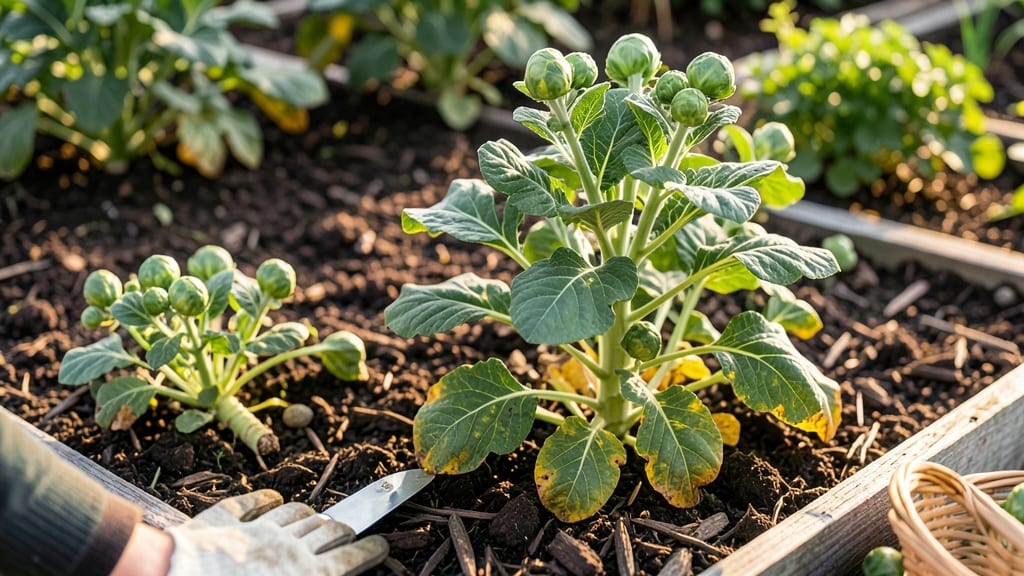
How to know when brussel sprouts are ready to pick can mean the difference between a sweet, flavorful harvest and bitter, overgrown disappointment. Unlike other veggies, these little cabbages need precise timing—too early, and they're still tough; too late, and frost turns them mushy.
Most gardeners miss the three key signs that signal perfect ripeness, and I’m here to show you what to look for. We’re talking deep color shifts, ideal size, and even how the plant itself tells you it’s harvest time.
Skip the guesswork and learn how to spot these cues before they vanish.
Timing matters too—especially in Zone 6a where fall frosts arrive early. Whether you planted in spring or late summer, understanding when to harvest (and how to keep picking for weeks) will give you a steady supply of homegrown goodness. Let’s break it down so you never miss another harvest window.
Ready to transform your brussel sprout game? By the end of this, you’ll know exactly when to reach for those shears—and how to keep your plants producing longer. No more second-guessing, just perfect timing every time.


3 Visual signs your brussel sprouts are perfectly ready to harvest
Brussel sprouts mature gradually, and missing the perfect harvest window can mean either bitter, underdeveloped sprouts or woody, overgrown ones. The key lies in three visual cues that signal peak ripeness: size, color, and texture.
I’ve learned these through years of trial-and-error harvesting—trust me, your first few attempts might leave you questioning your gardening skills!
First, focus on the size of the sprouts. Ready-to-pick Brussels should measure between 1 to 1.5 inches in diameter. This is your golden range—smaller than that, and they’re still developing; larger, and they’ll turn tough and bitter.
Think of them like tiny, compact cabbages, but with a tighter, denser structure.
The color shift is another unmistakable sign. Immature sprouts often appear pale green or even yellowish, but ripe ones deepen to a rich, vibrant green or even purple, depending on the variety.
This color change isn’t just about aesthetics—it’s a sign the sprouts have reached their optimal sugar content and flavor profile.
Finally, check the texture by gently squeezing a sprout between your fingers. It should feel firm yet slightly yielding, almost like a ripe avocado. If it’s too hard, it’s underripe; if it feels mushy or hollow-sounding when tapped, it’s past its prime.
This tactile test is my go-to method for confirming readiness on cloudy days when color cues might be less obvious.
| Sign | Underripe Sprouts | Perfectly Ripe Sprouts | Overripe Sprouts |
|---|---|---|---|
| Size | Less than 1 inch | 1-1.5 inches diameter | Over 1.5 inches, woody |
| Color | Pale green/yellow | Deep green/purple | Dull, yellowing |
| Texture | Tender, soft | Firm with slight give | Woody, hollow-sounding |
| Lower Leaves | Green, healthy | Yellowing/dying back | Fully brown/dead |
Don’t overlook the lower leaves of your plant—they’re nature’s way of signaling harvest time. As your Brussels mature, the oldest leaves at the base will naturally yellow and die back. This isn’t a sign of disease; it’s the plant redirecting energy to the sprouts.
Start harvesting from the bottom of the stalk upward to encourage more buds to form higher up.
One common mistake I see is waiting until the entire plant looks ready. Instead, pick sprouts every few days once they reach 1 inch. This staggered approach gives you a continuous harvest and prevents the plant from becoming overburdened.
Think of it like pruning—you’re shaping the plant’s growth cycle to your advantage.
Pro tip: If you’re growing purple varieties, the color deepens with cold exposure. A light frost (28-32°F) can actually sweeten them further, but avoid heavy frost damage.
I’ve found that harvesting 2-3 weeks before the first hard frost gives me the best balance of flavor and texture in cooler climates.
For variety-specific cues, Ruby Tight and Long Island Improved tend to ripen slightly earlier than Jade Cross or Tasty Purple. Always check your seed packet for days-to-maturity estimates, but remember: these are guidelines, not rules. Your local climate and growing conditions will dictate the exact timing.
Finally, trust your instincts. If a sprout looks perfectly uniform in size, color, and texture, it’s likely ready. The more you harvest, the better you’ll recognize that just-right moment when Brussels are at their peak.
And if you miss it? No worries—just adjust your future harvest schedule based on what you learn this season.
When to harvest brussel sprouts by plant maturity and season
Timing your Brussel sprout harvest correctly depends on both the plant’s maturity stage and your local seasonal climate. Most varieties reach harvest readiness in 60-90 days after planting, but cooler temperatures actually sweeten the flavor, so don’t rush the process.
In Zone 6a, aim for harvests between late October and December, when frost is imminent but hasn’t yet damaged the plant.
If you planted in spring (April-May), your sprouts will mature by fall, while summer planting (August-September) yields a spring harvest the following year. The key is to start picking 2-3 weeks before the first frost—this ensures peak flavor without risking frost damage to the plant.
In warmer zones (7+), you can extend harvests into early winter.
Here’s how to align your harvest with plant age and seasonal cues:
-
160-75 Days After Planting:
Early bud formation begins. Sprouts are 1 inch or smaller—not yet ready. Focus on watering and fertilizing to support growth.
-
275-90 Days After Planting:
Ideal harvest window opens. Sprouts reach 1-1.5 inches with deep green/purple color. Start picking from the bottom up to encourage more growth.
-
390-120 Days (Fall/Winter):
Frost sweetens flavor, but don’t wait too long. Harvest 2-3 weeks before first frost to avoid bitterness or rot. In cold climates, a light frost can enhance taste.
-
4Post-Frost (Spring Planting):
If planted in late summer, sprouts mature in spring. Harvest before temperatures rise above 75°F, as heat causes bolting and bitterness.
Pro tip: Use a harvest calendar to track your plant’s progress. Mark the day you sow seeds and count down 90 days to estimate your first harvest window. Adjust for your USDA zone—cooler zones (like mine in Zone 6a) get longer harvest seasons than warmer areas.
Avoid these common mistakes that ruin your harvest: waiting until sprouts turn yellow or mushy, harvesting in direct sunlight (which causes wilting), or picking too aggressively and exposing the stem to cold damage. Instead, harvest every 2-3 days during peak season to keep the plant producing.
Remember, Brussel sprouts taste best after frost, but don’t let them sit on the plant too long—overripe sprouts become tough and pithy. Balance flavor development with plant health for a perfect harvest every time. 🌱