
Watering
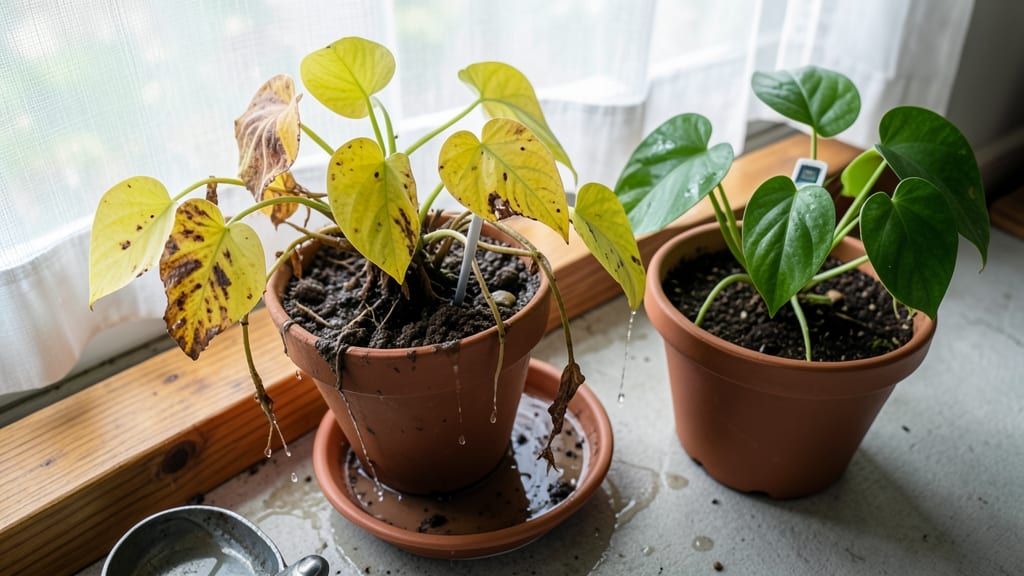
How to know if plants are overwatered—it’s a question that saves more gardens than you’d think. 🌱 I've seen this mistake ruin more gardens than pests ever could—even experienced gardeners fall for it. The signs are subtle at first: yellowing leaves, soft stems, or that musty smell from the soil. But if you catch it early, you can save your plant before root rot takes over.
Most people water on a schedule, but plants need balance—too much suffocates roots, cutting off oxygen. Common victims include ferns, calatheas, and tomatoes, which show wilting even when soil feels damp.
The fix starts with checking the top inch of soil before watering again; if it's still moist, hold off. Improve drainage by adding perlite or switching to pots with holes.
Once you adjust your routine, you'll notice leaves perking up within days. Over time, your plants will thrive with steady, consistent moisture—not soggy soil. The key is observing: healthy roots mean firm stems and vibrant growth. With practice, you'll develop a feel for what your plants truly need.
For stubborn cases, repotting into fresh soil can revive struggling plants. And remember: better to underwater slightly than drown your greens. This habit saves money, time, and heartache in the long run—trust me, I've learned the hard way.
Common Causes Of Overwatering
Overwatering isn’t just a matter of too much water—it’s a complex interplay of soil, plant biology, and environmental factors. Understanding these root causes (literally!) helps you adjust your watering habits before damage sets in. Let’s break down why even well-intentioned gardeners drown their plants.
Soil isn’t just dirt—it’s a living ecosystem with pores that regulate airflow and water movement. When soil lacks macropores (large air pockets) or is packed with clay or silt, water pools instead of draining. This creates anaerobic conditions, where roots suffocate because oxygen can’t reach them.
- Compacted soil (from foot traffic or heavy machinery) crushes pores, trapping moisture.
- Heavy clay soil holds water like a sponge, refusing to release it even when roots scream for air.
- Lack of organic matter (like compost) reduces porosity, making soil hydrophobic over time.
Actionable fix: Amend soil with perlite, vermiculite, or coconut coir to improve aeration. For clay-heavy gardens, raised beds or container planting can save your plants.
Many gardeners follow rigid watering routines—like every Tuesday and Thursday at 9 AM—without checking soil moisture. But plant thirst isn’t clock-dependent; it’s influenced by temperature, humidity, and season.
- Cooler weather slows evaporation, so plants need less water.
- High humidity (like in greenhouses or tropical climates) reduces transpiration, meaning roots absorb less.
- Newly planted vs. established plants have vastly different needs—seedlings need frequent, shallow water, while mature plants prefer deep, infrequent soaks.
Actionable fix: Use the finger test—stick your index finger 1–2 inches into the soil. If it’s damp, wait. If it’s dry at that depth, water only until moisture reaches the roots.
Rainfall, wind, and temperature fluctuations throw off even the most disciplined watering plans. A sudden downpour can leave soil waterlogged for days, while a heatwave increases evaporation rates.
- Winter dormancy reduces water needs—overwatering can rot roots that aren’t actively growing.
- Wind exposure dries soil faster, tricking you into overcompensating.
- Monsoon seasons or hurricane aftermath can leave soil saturated for weeks, even if it looks dry on top.
Actionable fix: Adjust your routine with seasonal watering guides (e.g., 30% less in winter for most plants). Use a rain gauge to track natural precipitation and skip watering if the ground is already moist.
Not all pots are created equal. Some materials retain moisture aggressively, while others dry out too quickly.
Common culprits: - Terra cotta (porous but can dry fast—great for succulents, terrible for tropical plants). - Plastic or glazed pots trap moisture, mimicking a rainforest environment when your plant prefers a Mediterranean climate. - No drainage holes = a death sentence.
Water pools at the bottom, drowning roots while the top layer stays dry (a condition called "thirsty top, wet bottom").
Actionable fix: Choose pots with drainage holes and switch materials based on plant needs. For moisture-loving plants (like ferns), opt for unglazed ceramic. For drought-tolerant plants (like cacti), fabric grow bags or terracotta work best.
Some plants are masochists—they look thirsty when they’re actually begging for air. Others, like calatheas, peace lilies, or pothos, thrive in consistently moist (not soggy) conditions and wilt when underwatered or overwatered.
- Succulents and cacti store water in their leaves—drowning them causes mushy, blackened stems.
- Tropical plants (like monstera or philodendron) need high humidity but hate wet feet.
- Bulbs and tubers (like hyacinths or dahlias) rot quickly if left in soggy soil after blooming.
Actionable fix: Research your plant’s native habitat. A desert dweller (like a snake plant) hates moisture, while a rainforest native (like a fern) needs humidity. When in doubt, underwater slightly—most plants recover faster from dryness than rot.
Fertilizer and mulch can trick you into overwatering by altering soil behavior:
- Fresh mulch (like wood chips) acts like a sponge, holding moisture near the surface. Wait 2–4 weeks before watering normally.
- Slow-release fertilizers increase root activity, making plants drink more water—but if the soil stays soggy, roots can’t keep up.
- Compost tea or liquid fertilizers add organic matter that breaks down, temporarily increasing moisture retention.
Actionable fix: After adding mulch, water deeply once to settle it, then reduce frequency. If using fertilizer, flush the soil (water until it runs out the drainage hole) to prevent salt buildup, which worsens waterlogging.
Not all watering methods deliver moisture where it’s needed. Overhead watering (like from a sprinkler or hose) wets leaves, promoting fungal diseases (like powdery mildew) and evaporation loss. Drip irrigation or soaker hoses target roots directly, but if misused, they can flood the soil instead of hydrating it evenly.
- Hose-end sprinklers often oversaturate in short bursts.
- Watering cans with narrow spouts can create localized puddles.
- Automatic timers (set without soil checks) assume consistency where none exists.
Actionable fix: Use drip irrigation on a low, slow setting or water at the base with a gentle stream. For containers, bottom-watering (placing pots in a tray of water) prevents surface pooling—but never leave them sitting in water for hours.
Soil chemistry affects how plants absorb water and nutrients. If your soil is too acidic or alkaline, roots struggle to function, making them more susceptible to rot even with "normal" watering.
- Acidic soil (pH < 6.0) can cause aluminum toxicity, damaging roots and reducing water uptake.
- Alkaline soil (pH > 7.5) locks out nutrients like iron and manganese, weakening plants so they can’t handle moisture stress.
- Salty soil (from tap water or fertilizer buildup) repels water, leaving roots dehydrated while the surface stays wet.
Actionable fix: Test your soil’s pH and salinity with a DIY kit or lab test. Amend with lime (to raise pH) or sulfur (to lower pH) as needed. If using hard water (high in minerals), let it sit in a bucket overnight before watering to reduce salt buildup.
Revive Your Plants Now
Overwatering can feel like a death sentence for your green friends, but don’t panic! With the right steps, you can rescue your plants and prevent future watering disasters.
Below, we’ll map out specific fixes for common overwatering symptoms, along with prevention tips to keep your plants thriving. Let’s turn this around—one leaf at a time!
Cause: Soggy soil cuts off oxygen to roots, leading to yellowing (chlorosis) or browning. Fix It:
- 🔥 Step 1: Stop Watering Immediately Let the soil dry out completely before watering again. Stick your finger 1-2 inches deep—if it’s damp, wait.
- 👨🍳 Step 2: Repot in Fresh, Well-Draining Soil If roots are mushy or black (root rot), gently remove the plant, trim the rotten roots with sterilized scissors, and repot in a clean container with cactus/succulent mix (or add perlite/pumice to regular soil).
- 💡 Pro Tip: Elevate pots by placing them on feet or saucers to improve airflow. Avoid saucers that trap excess water!
Cause: Roots suffocate, starving the plant of nutrients and water—even if the soil feels damp. Fix It:
- 🔪 Step 1: Prune the Damage Snip off yellow/brown leaves and stems to redirect energy to healthy growth. Use clean pruners to avoid spreading disease.
- 🌡️ Step 2: Adjust Watering to a Schedule Most plants need water only when the top 1-2 inches of soil are dry. Use a moisture meter or the finger test for accuracy.
- ✨ Prevention Hack: Group plants with similar water needs together to streamline care.
Cause: Fungal/bacterial growth thrives in waterlogged conditions, emitting a rotten egg or musty odor. Fix It:
- 🧼 Step 1: Sterilize the Pot Scrub the container with soapy water or 1 part hydrogen peroxide to 4 parts water. Rinse well.
- 🥘 Step 2: Revive with Fungicide (If Needed) For severe cases, spray neem oil or copper fungicide on leaves and soil. Replant in fresh, sterile potting mix.
- 🎯 Long-Term Fix: Use terracotta pots (they wick away moisture) or self-watering pots with drainage holes.
Cause: Compacted roots + excess water = poor nutrient uptake. Fix It:
- 🌱 Step 1: Loosen the Roots Gently tease apart tangled roots when repotting. Trim any circular, gnarled roots (a sign of overcrowding).
- 💧 Step 2: Water Less, But Deeper When you water, soak the soil thoroughly until water drains from the bottom. Then, let it dry 50% before watering again.
- 🔥 Prevention Tip: Upgrade to a larger pot (only 1-2 inches bigger) if roots are circling the edges.
If your plant is collapsing, blackened at the base, or smells terrible, act fast:
- 🚑 Trim all rotten roots (healthy roots are firm and white).
- 🌿 Dip remaining roots in cinnamon powder (natural antifungal) or hydrogen peroxide (3%) for 10 minutes.
- 🏡 Repot in a new container with sterile, fast-draining soil.
- 🌞 Move to bright, indirect light and hold off on watering for 3-5 days.
💡 Final Prevention
Frequently asked questions
Why do some plants wilt even when the soil feels damp?
Overwatered plants wilt because their roots can't absorb oxygen when soil stays soggy. The roots suffocate, cutting off water and nutrient flow—even if the top layer feels moist. Check deeper: if the bottom 2 inches are wet, hold off on watering for 2-3 more days.
Can I save a plant with root rot?
Yes, but act fast! Trim all black/mushy roots with sterilized scissors, repot in fresh, fast-draining mix, and avoid watering for 3-5 days. For severe cases, dip healthy roots in cinnamon powder (natural antifungal) before replanting.
How often should I water houseplants?
Most houseplants need water when the top 1-2 inches of soil are dry. Use the finger test: stick your finger in—if damp, wait. Tropical plants (like ferns) may need weekly watering, while succulents can go 2-3 weeks without water.
What’s the difference between overwatering and underwatering?
Overwatered plants have yellow, mushy leaves and may smell musty, while underwatered plants show brown, crispy edges and dry soil. The key difference? Overwatered soil stays damp for days; underwatered soil feels bone-dry at all levels.
Why does my plant’s soil look dry on top but still feel wet deeper down?
This "thirsty top, wet bottom" happens when water pools at the roots (no drainage holes) or soil is compacted. Fix it by adding perlite to soil and repotting with holes. Water only when the top inch is dry—never rely on surface moisture!