
Picking
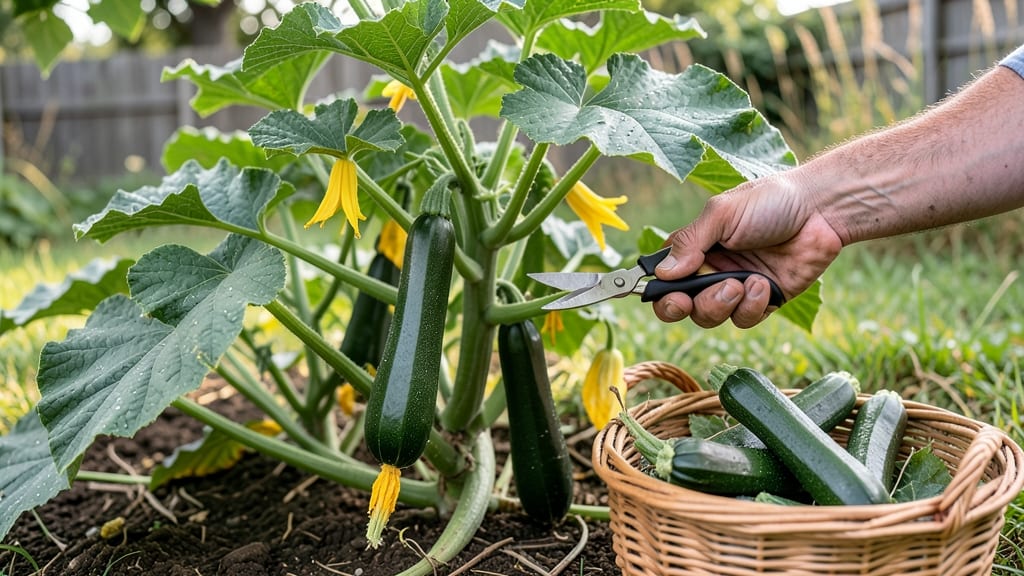
Your zucchini is begging to be picked from the plant—before it turns into a baseball. 🌱 The perfect harvest window is when fruits reach 6–9 inches, with smooth, tender skin and a firm grip.
I’ve learned the hard way that waiting just a few days turns sweet, tender zucchini into tough, seedy monsters that no one wants to eat.
You’ll need clean pruners or a sharp knife, a small basket for the harvest, and—if you’re squeamish—gloves (zucchini plants have thorns that pack a punch). The key is speed: grab the fruit firmly at the stem, give a quick twist, and snap it cleanly.
Avoid tugging—it can damage the plant and leave it vulnerable to disease. Once you start harvesting regularly, your plant will keep producing like a machine.
Pick every 2–3 days during peak season, and you’ll end up with a steady supply of fresh, flavorful zucchini instead of a pile of overgrown giants. The more you harvest, the more the plant focuses on growing new fruit.
Pro tip: Check the blossoms—if you see both male and female flowers, you’re in the prime picking zone. And if you miss a few? No stress—just use them for bread, fritters, or compost. The goal is to keep the plant happy and productive, not perfection.
📚 In This Guide
- What you need
- Instructions
- Tips and common mistakes
- Wrapping up and next steps
What you need
- ○ Gloves (optional but recommended): A pair of gardening gloves (nitrile or cotton) to protect your hands from prickly stems and dirt.
- ● Sharp pruners or a knife: A pair of bypass pruners (for clean cuts) or a small, sharp chef’s knife (for slicing stems).
- ● Harvest basket or container: A sturdy, breathable basket (like a wire produce basket) or a large, shallow container to prevent squash bruising.
- ○ Water spray bottle (optional but handy): A 16-oz spray bottle filled with water to mist zucchini and keep them fresh during transport.
- ● Garden twine or rubber bands: To bundle stems if transporting long distances (prevents dirt buildup).
- ● Zucchini sizing ruler or measuring tape: A flexible ruler (6–12 inches) to check squash length for ideal harvest timing.
- ● Earplugs (for the dramatic harvesters): Just kidding! But if your zucchini plant is overproducing, a pair of earplugs might save you from the guilt of too many squash.
- ● A mature zucchini plant (6–8 weeks old) with visible flowers or small fruits.
- ● Sunny morning timing: Harvest when zucchini are cool and crisp (early morning) for the best texture.
- ● Knowledge of your plant’s variety: Some zucchini (like ‘Eight Ball’) stay small, while others (like ‘Black Beauty’) grow larger—check your seed packet!
How to pick zucchini: 3 tactile tricks for perfect harvest timing
Here's the foolproof method I use to pick zucchini at its peak—no guesswork, just feel.
🌱 Step 1: Check the Size and Shape
Zucchini is ready when it reaches 6-8 inches long and feels firm but not rock-hard. I press my thumb along the length—if it gives slightly (like a ripe avocado), it's perfect. Overripe squash gets tough and seedy, while underripe ones stay small and bitter.
Look for a smooth, slightly glossy skin—bumpy or dull zucchini means it's past its prime. The stem end should still feel tender; if it's woody, you've waited too long. I pick mine in the morning when the skin is coolest and most responsive to touch.
💧 Step 2: Test the Stem for Readiness
The stem is your secret weapon. Gently twist the zucchini at its base—if it separates cleanly with just a little resistance, it's harvest-ready. No resistance? It's not ripe enough. Too much resistance? It's overripe.
I use a small knife to make a shallow cut just below the stem before twisting. This prevents the plant from tearing and keeps the stem intact for storage. The cut also lets me see the inside: bright green flesh means it's fresh, while yellow or stringy flesh means it's past its best.
☀️ Step 3: Harvest at the Right Time of Day
Morning is the best time to pick zucchini. The plant is hydrated from overnight watering, and the squash is cooler, making it easier to judge ripeness. I use a pair of pruning shears to snip the stem, leaving about ½ inch attached to the plant.
This small stem stump helps the plant heal faster and prevents disease from entering through a jagged cut. I avoid harvesting in the heat of the day—the squash can overheat and spoil faster. After picking, I store them in a cool, dark place for up to a week or use them immediately in recipes.
✂️ Step 4: Encourage More Production
After harvesting, I always check the plant for more zucchini. If you leave squash on the vine too long, the plant focuses all its energy on growing that one giant zucchini instead of producing new flowers. I look for baby zucchini—about 3-4 inches long—and pick those first.
This keeps the plant productive and prevents overcrowding. I also remove any yellow or wilted leaves to redirect energy to fruit production. The key is consistency: check your plants every 2-3 days during peak growing season to avoid missing the perfect harvest window.
Tips & tricks for perfect zucchini harvesting
These simple tactile tricks will help you pick zucchini at its absolute peak every single time.
The Texture Test: In Step 1, when checking size and shape, focus on the stem end—it's the most reliable indicator. Press firmly with your thumb: if it feels tender like a ripe peach but not mushy, you've got a winner. I've learned the hard way that woody stems mean you've waited too long, and those zucchini turn tough and seedy when cooked.
Stem Twisting Technique: For Step 2, use your fingers to gently twist the zucchini at the base—this is where most beginners go wrong. The perfect zucchini should separate cleanly with just a little resistance, like unscrewing a jar lid. Too easy? It's not ripe. Too hard? It's overripe. Pro tip: If you're harvesting multiple zucchini, use a small knife to make a shallow cut first—this prevents tearing and gives you a clean break every time.
Morning Harvest Advantage: Step 3 reveals why timing matters. I always harvest in the morning because the zucchini is cooler and more hydrated from overnight watering. This makes the skin firmer and easier to judge. If you must harvest later in the day, do it in the shade and avoid the hottest part of the afternoon—overheated zucchini spoils faster and loses its crisp texture.
Plant Productivity Hack: After harvesting, don't just walk away! Check for baby zucchini (3-4 inches) and remove any yellow leaves. This keeps your plant producing like a machine. I've seen plants go from one giant zucchini to a steady supply of perfect-sized ones just by staying consistent with this step. Think of it as giving your plant a little spa treatment after each harvest.
Pro Tips for Pick Zucchini From Plant
- These simple tactile tricks will help you pick zucchini at its absolute peak every single time.
- The Texture Test: In Step 1, when checking size and shape, focus on the stem end—it's the most reliable indicator.
- Stem Twisting Technique: For Step 2, use your fingers to gently twist the zucchini at the base—this is where most beginners go wrong.
Frequently asked questions
Got questions about harvesting zucchini? You’re not alone—even seasoned gardeners need a refresher now and then! Below are some of the most common queries (and answers) to help you master the art of picking zucchini like a pro.
When is the best time of day to pick zucchini?
The ideal time to harvest is in the morning after the dew has dried but before the sun gets too hot. Zucchini picked in the cool hours of the day stay fresher longer and are less likely to overgrow by the time you get them to the kitchen. If you miss morning, late afternoon works too—just avoid the peak heat!
How do I know if a zucchini is ready to pick?
Look for zucchini that are 6–8 inches long and firm to the touch. The skin should be smooth and shiny, not tough or woody. If you see flowers blooming, check the fruit behind them—they’re often ready! Pro tip: Squeeze gently—if it feels rock-hard, it’s underripe; if it’s soft or spongy, it’s past its prime.
What happens if I wait too long to pick my zucchini?
Overripe zucchini turn yellow, seedy, and bitter, with tough skin and stringy flesh. They’re still edible (great for soups or bread!), but their texture and flavor decline. Worse, overgrown zucchini drain nutrients from the plant, reducing future yields. Check your plants every 2–3 days to stay ahead of the game!
Can I pick zucchini without cutting the stem?
Yes! Use a sharp knife or pruners to cut the zucchini at a slight angle, leaving about ½ inch of stem attached. This prevents disease from splashing water into the wound. If you’re in a hurry, you can twist gently—but cutting is cleaner and reduces stress on the plant.
What’s the best way to store freshly picked zucchini?
Store zucchini in the crisper drawer of your fridge (unwashed) for up to 5–7 days. For longer storage, wrap them in a damp paper towel and place in a plastic bag. Avoid washing until you’re ready to use them—excess moisture speeds up spoilage. Need to preserve them? Try freezing or pickling!
Why are my zucchini growing uneven sizes?
Uneven sizes usually mean inconsistent harvesting. If you miss a few, the plant focuses all its energy on those, causing rapid (and lopsided) growth. Pick regularly—even small zucchini—to encourage steady production. Overcrowding or poor pollination can also cause size issues; thin plants and hand-pollinate flowers if needed.
Wrapping up and next steps
Mastering the art of picking zucchini at the perfect moment ensures a bountiful harvest and delicious, tender veggies every time! 🌱 With the right tactile tricks—like checking firmness, size, and color—you’ll turn your garden into a zucchini powerhouse.
Now that you’re armed with knowledge, head out there and enjoy the rewarding process of harvesting your homegrown goodness.
Ready to take it further? Try experimenting with recipes—whether it’s zucchini bread, grilled slices, or fresh salads—to make the most of your harvest! 🍽️