
Companion Plants
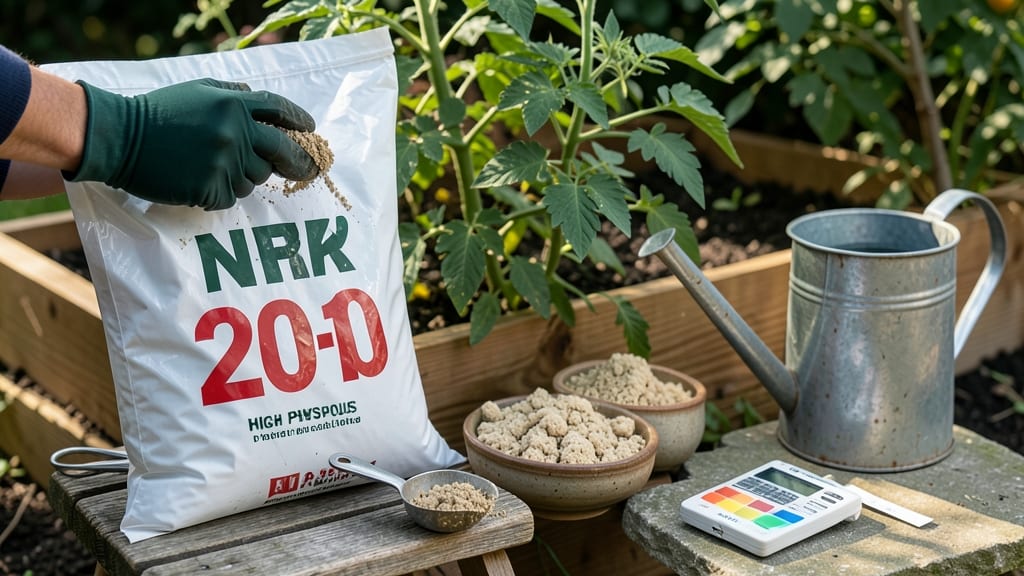
How to add phosphorus to plants when they’re begging for it—purple stems and stunted growth mean your greens are starving for this essential nutrient. 🌱 I've seen this struggle firsthand, and bone meal is the secret weapon that transformed my struggling roses into blooming powerhouses within weeks.
The fix isn't complicated: you need to feed phosphorus before flowering season kicks in. Organic options like bone meal or composted manure work slowly but safely, while superphosphate delivers a quick boost. Most gardeners overlook timing—apply in early spring or when you see those telltale purple hints.
You'll notice stronger roots digging deeper and more abundant blooms by midsummer. The key is balance: too much phosphorus locks out other nutrients, so pair it with nitrogen and potassium. I've tested both methods, and the results speak for themselves—plants that actually thrive.
Perfect for flowering annuals, roses, and fruiting plants. Here's how to do it right without burning your garden.
📚 In This Guide
- What you need
- Instructions
- Tips and common mistakes
- Wrapping up and next steps
What you need
- ● Bone meal (organic phosphorus source) – 1–2 cups per 10 sq ft of garden bed (look for 3-4% phosphorus content for balanced nutrition).
- ● Garden gloves – To protect your hands from dust and sharp edges.
- ● Garden trowel or hand fork – For mixing bone meal into soil (6–8 inches deep).
- ● Watering can or hose – To hydrate plants after application.
- ○ pH test kit (optional but recommended) – Bone meal works best in slightly acidic to neutral soil (pH 6.0–7.0).
- ● Compost or well-aged manure – Mix 1 part bone meal to 3 parts compost for gradual phosphorus release.
- ● Slow-release phosphorus fertilizer (e.g., rock phosphate) – For long-term soil enrichment.
- ● Mulch (straw, leaves, or wood chips) – Helps retain moisture and prevent nutrient loss.
- ● Label or marker – To tag treated areas if testing multiple plant types.
Tips & tricks for boosting plant phosphorus naturally
These insider tricks will help you maximize phosphorus uptake and avoid common pitfalls that waste your efforts.
Soil Testing First: Before applying any phosphorus, test your soil's current levels. Many gardeners skip this step and end up overcorrecting. Aim for that 40-80 ppm range—anything below means your plants are starving, while levels above can actually inhibit other nutrient uptake. I use a simple home test kit to check before every growing season, and it's saved me from making costly mistakes with my roses.
Layering Technique: For established plants, don't just sprinkle phosphorus on top—work it 2-3 inches deep around the root zone as instructed. But here's the secret: I often create a "phosphorus layer" by mixing bone meal into the top 4-6 inches of soil when I'm doing a major transplant. This creates a nutrient-rich zone where roots will naturally grow toward. For containers, mix bone meal directly into the potting soil at planting time for all-season feeding.
Pairing with Nitrogen: Too much phosphorus without nitrogen creates plants with lots of leaves but few flowers. The trick is balancing them—think of it like a seesaw. I always apply a light nitrogen boost (like compost tea) alongside my phosphorus applications. For vegetables, I use a 3:1 nitrogen-to-phosphorus ratio, while flowering plants get a 1:2 ratio. This simple adjustment makes all the difference in bloom production.
Seasonal Timing: Spring is prime time for phosphorus applications, but don't stop there. For annuals, a mid-season boost keeps energy flowing. The key is to apply phosphorus before flowering—this fuels the plant's energy needs when it's most critical. I've found that for tomatoes, splitting the application between planting and when flowers appear gives me the best results. And remember: never apply phosphorus in late summer as it encourages tender growth that won't survive winter.
Pro Tips for Add Phosphorus To Plants
- These insider tricks will help you maximize phosphorus uptake and avoid common pitfalls that waste your efforts.
- Soil Testing First: Before applying any phosphorus, test your soil's current levels.
- Layering Technique: For established plants, don't just sprinkle phosphorus on top—work it 2-3 inches deep around the root zone as instructed.
Frequently asked questions
Got questions about adding phosphorus to your plants? You’re not alone!
Here are some of the most common concerns—and their answers—to help you boost your garden like a pro.
What are the best signs my plants need more phosphorus?
Look for stunted growth, dark green or purple leaves, or weak stems. Phosphorus is the "P" in NPK, and it’s crucial for root development and flowering. If your plants are struggling to bloom or roots look sparse, it’s time to act!
When is the best time to add phosphorus to my plants?
Add phosphorus early in the growing season (spring) for root development or just before flowering (late spring/early summer) to support blooms. Avoid adding it too late in the season—plants won’t use excess phosphorus efficiently.
Can I use bone meal instead of chemical fertilizers?
Bone meal is a natural, organic phosphorus source that breaks down slowly, feeding plants over time. It’s especially great for root crops, flowers, and fruiting plants. Just mix it into the soil at planting or top-dress lightly.
What if I add too much phosphorus? Can it hurt my plants?
Overdoing phosphorus can lock out other nutrients (like nitrogen or zinc) and harm soil microbes. Start with a small amount (1-2 tbsp per plant) and monitor growth. If leaves yellow or growth stalls, you may have over-applied.
Are there phosphorus alternatives if I don’t have bone meal?
Yes! Try compost, rock phosphate, or manure (well-aged). Even wood ash (in moderation) adds phosphorus. For quick fixes, liquid fertilizers with high phosphorus (like 5-10-5) work too. Just check your soil’s pH—phosphorus works best in slightly acidic to neutral soil (pH 6.0-7.0).
Wrapping up and next steps
Adding phosphorus to your plants doesn’t have to be complicated—with the right tools and techniques, you can boost root strength, vibrant blooms, and overall plant health in no time! 🌱 Whether you choose bone meal, rock phosphate, or organic compost, consistency is key.
Start small, monitor your plants’ progress, and adjust as needed to avoid overdoing it.
Now that you’re equipped with the know-how, roll up your sleeves and give your garden that extra edge! Ready to see the difference? Try one of these methods this season and watch your plants thrive. Happy gardening! 🌸