
Pruning
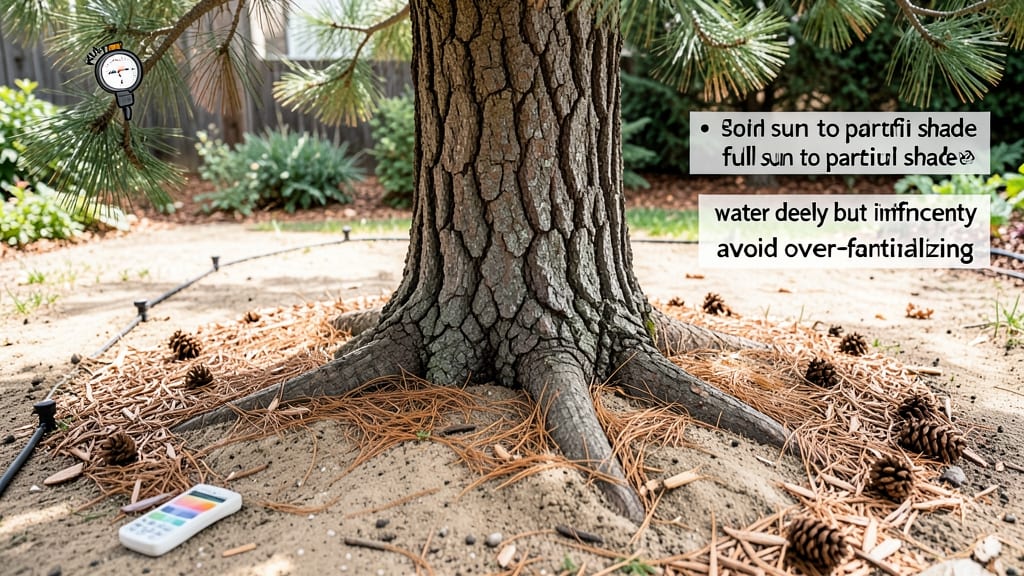
That first crisp morning after planting your pine tree is just the beginning of how to care for a pine tree. 🌲 I’ve nursed struggling pines back to health—and the secret isn’t complicated: it’s about matching their needs to their natural rhythm.
Pines thrive when you work with their slow, steady growth, not against it.
Soil, water, and sunlight are the foundation, but the real magic happens in the details—like pruning at the right time or spotting early signs of stress before they become problems. My black thumb days taught me that pines forgive mistakes if you act quickly, but they demand consistency.
Think of it like a long-term investment where every season builds on the last.
By the end of this, you’ll spot healthy needle color, understand why your tree might be dropping them, and know exactly how to shape it without harm. Even container-grown pines (yes, they exist!) benefit from the same care—just scaled down.
Let’s get your pine looking like it’s been there for decades in just a few seasons. The key? Patience and the right techniques.
📚 In This Guide
- What you need
- Instructions
- Tips and common mistakes
- Wrapping up and next steps
What you need
- ○ Pruning shears – Bypass pruners (sharp, clean blades for precision cuts; 8-10 inch size for small branches). Optional: Loppers (18-24 inch) for thicker branches.
- ● Hand saw or pruning saw – For branches ½ inch or thicker. Choose a curved-tooth saw to avoid tearing bark.
- ● Disinfectant – 70% isopropyl alcohol or a pruning sealant (like Tanglefoot Pruning Seal) to prevent disease spread.
- ● Gloves – Heavy-duty work gloves (waterproof, with grip) to protect from sap and sharp branches.
- ○ Ladder or step stool – Sturdy, extendable (ensure it’s rated for your weight + tools). Optional: Harness for tall trees (safety first!).
- ○ Watering can or hose – With a gentle spray nozzle (pines dislike soggy roots). Optional: Drip irrigation kit for large trees.
- ● Mulch – 3-4 inches of organic mulch (pine bark, wood chips, or straw). Avoid piling against the trunk.
- ○ Fertilizer (optional) – Slow-release, acid-loving plant fertilizer (e.g., 10-10-10 or 8-3-9) if soil tests show deficiency. Pro tip: Pines often thrive without extra fertilizer!
- ● Winter wrap – Burlap or tree guard to protect young pines from frost or animal damage.
- ● Pest control – Neem oil or insecticidal soap if you spot pine beetles or spider mites.
- ● Soil test kit – To check pH (ideal: 4.5–6.0) and nutrient levels before fertilizing.
Step-by-step instructions for year-round pine tree care
Here's the simple routine I follow to keep my pines thriving through all seasons.
☀️ Step 1: Water Deeply and Infrequently
Pines hate soggy roots but need consistent moisture during their first growing season. Water once a week in summer, delivering 1-2 gallons per inch of trunk diameter. You'll know it's enough when water runs out the drainage holes—no need to keep soil wet.
After the first year, established pines tolerate drought better. Check soil moisture by poking your finger 2 inches deep—if it feels dry, water thoroughly. Mulch with 2-3 inches of organic material (like pine needles or wood chips) to retain moisture and regulate soil temperature. Just keep mulch 6 inches away from the trunk to prevent rot.
✂️ Step 2: Prune Only When Necessary
Pines rarely need pruning, but when they do, timing matters. Prune late winter or early spring before new growth begins. Remove only dead, diseased, or crossing branches—never more than 25% of the tree's foliage at once. I use clean, sharp pruners to make cuts just outside the branch collar.
Watch for brown, brittle needles—these signal dead branches that need removal. Avoid "thinning out" healthy branches, as pines rely on their full canopy for photosynthesis. If you see yellowing needles, it's usually a sign of overwatering or poor drainage, not a pruning issue.
🌱 Step 3: Fertilize Lightly in Early Spring
Feed your pine once a year in early spring with a balanced, slow-release fertilizer (10-10-10 ratio). Spread ½ cup per inch of trunk diameter around the root zone, then water deeply to activate the granules. Avoid high-nitrogen fertilizers—they encourage weak, floppy growth that pines can't support.
I skip fertilizer entirely if my pine looks healthy. Overfeeding can burn roots and attract pests. Instead, focus on well-draining soil—pines prefer sandy or rocky soil with a pH between 5.0 and 7.0. If your soil is heavy clay, amend it with compost or sand before planting.
🪴 Step 4: Protect from Winter Damage
Young pines need winter protection, especially in cold climates. Wrap the trunk with tree guard or burlap to prevent sunscald and rodent damage. I also water deeply before the ground freezes—this creates an ice layer that insulates roots until spring.
Mature pines handle winter well, but salt spray from roads can damage needles. If your tree is near a sidewalk, rinse the foliage with water once a month during winter to remove accumulated salt. Avoid heavy pruning in fall—new growth won't harden off before winter, making the tree vulnerable to frost damage.
⏰ Step 5: Monitor for Pests and Diseases
Check your pine monthly for signs of pests like pine bark beetles or sawfly larvae. Beetles leave small holes in the bark, while sawfly larvae create webbing and skeletonized needles. Treat infestations early with neem oil or insecticidal soap, following label instructions carefully.
Fungal diseases like needle cast appear as purple or brown bands on needles. Improve air circulation by pruning dense branches and avoid overhead watering. If you spot issues, remove and destroy infected needles immediately—don’t compost them. Healthy pines rarely need treatment, so focus on proper care as your first line of defense.
Tips & tricks for perfect pine tree care
Keeping your pine tree healthy doesn't have to be complicated—just a few key tricks make all the difference.
Watering Wisdom: The once-a-week summer watering guideline assumes average temperatures. If you're experiencing heatwaves above 90°F, increase to twice weekly. I've seen pines suffer from both underwatering and overwatering—always check for drainage after watering to avoid soggy roots. For container-grown pines, water more frequently since pots dry out faster.
Pruning Precision: When pruning in late winter or early spring, focus on removing only the dead branches first. Healthy branches should never be trimmed unless they're crossing or rubbing against others. I always sterilize my pruners with rubbing alcohol between cuts to prevent spreading disease. The 25% foliage limit is crucial—pines can't recover from heavy pruning like some other trees.
Fertilizer Finesse: That ½ cup per inch measurement assumes a healthy tree. If your pine shows signs of nutrient deficiency (like yellowing needles between veins), you can double the amount—but only for one application. I recommend testing your soil first if you're unsure. For newly planted pines, skip fertilizer entirely for the first year to avoid root burn.
Winter Protection: The deep watering before freeze-up creates that insulating ice layer, but only if your soil drains well. In heavy clay soils, add a 2-inch layer of mulch around the base first to improve drainage. For young pines in windy areas, consider wrapping the entire tree with burlap—not just the trunk—to protect against winter burn.
Pro Tips for Care For A Pine Tree
- Keeping your pine tree healthy doesn't have to be complicated—just a few key tricks make all the difference.
- Watering Wisdom: The once-a-week summer watering guideline assumes average temperatures.
- Pruning Precision: When pruning in late winter or early spring, focus on removing only the dead branches first.
Frequently asked questions
Got questions about keeping your pine tree thriving? Here are answers to the most common concerns—from pruning to pests and beyond!
When is the best time to prune a pine tree?
Prune mature pine trees in late winter or early spring (before new growth starts) to avoid stressing the tree. For young pines, prune lightly in summer to shape without harming growth. Never prune in fall or winter—this can expose the tree to cold damage and pests.
Can I prune too much of a pine tree?
Yes! Pines are sensitive to over-pruning. Remove no more than 25% of the tree’s foliage at once—especially avoid cutting into the older, woody branches. Over-pruning weakens the tree, making it susceptible to disease, pests, and even death. Less is more!
How do I tell if my pine tree has pests or disease?
Watch for yellowing needles, sawdust-like frass (insect droppings), or sticky sap—signs of pine beetles or spider mites. Fungal diseases may cause black or brown needle tips or mushrooms at the base. Act fast: prune infected branches immediately and treat with neem oil or insecticidal soap if needed.
Do pine trees need winter care?
Pines are hardy, but young or newly planted trees benefit from winter protection. Wrap the trunk with tree guard to prevent rodent damage, and mulch lightly (2–3 inches) to insulate roots. Avoid heavy mulch—it can suffocate roots. No need for extra watering in winter unless your area is unusually dry.
Can I grow a pine tree in a pot?
Yes, but choose a large container (at least 15 gallons) with drainage holes and well-draining soil. Dwarf pine varieties (like Pinus mugo) thrive in pots, but repot every 2–3 years and prune roots if they circle. Move potted pines outdoors in summer for sunlight—they need 6+ hours of direct light daily.
Wrapping up and next steps
Caring for your pine tree is all about patience, consistency, and a little green thumb love! 🌲 From proper pruning to seasonal adjustments, these steps will keep your tree thriving for years. Remember, healthy pines aren’t just beautiful—they’re resilient, too.
Now that you’re armed with the know-how, roll up your sleeves and get pruning! Start with the basics, then refine your approach as you learn what works best for your tree. And if you’re feeling inspired, why not share your progress with fellow gardening enthusiasts? Happy growing! 🌟