
Picking
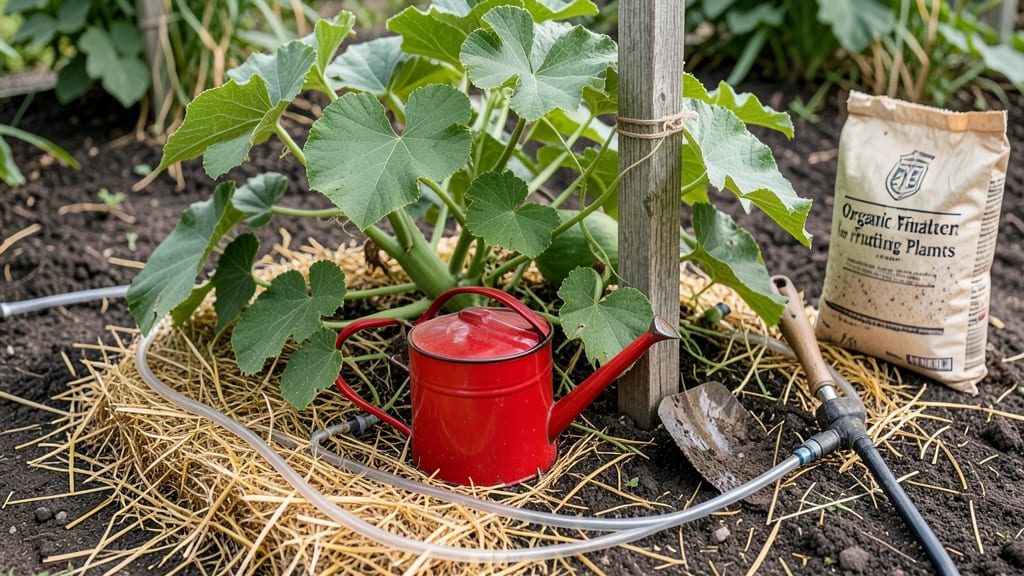
How to care for cantaloupe transforms a patch of garden into a fragrant, sunlit oasis. 🌱 I’ve grown them for years, and the key to sweet, juicy fruit isn’t just patience—it’s understanding their exact needs from soil to harvest. Most gardeners overwater or underfeed, but I’ll show you the precise routine that delivers flavor-packed melons every season.
The secret starts with well-draining soil and consistent moisture—never soggy roots. Cantaloupes thrive in full sun (at least 6-8 hours daily) and need space to sprawl. A balanced fertilizer early on prevents bitter fruit, while regular pruning keeps vines focused on producing melons, not just leaves.
The payoff? Melons that ripen in 75-90 days with that unmistakable sweetness.
Harvesting is an art: check for a creamy bloom at the stem and a hollow sound when thumped. Store them properly, and they’ll last 3-5 days at room temperature—or freeze the flesh for smoothies. The first bite after a homegrown cantaloupe? Nothing compares. Here’s how to make it happen.
Works for backyard plots, raised beds, or even containers—just adjust spacing. Whether you’re a first-timer or refining your technique, these steps turn cantaloupe care from guesswork to guaranteed success. Let’s get growing!
📚 In This Guide
- What you need
- Instructions
- Tips and common mistakes
- Wrapping up and next steps
What you need
- ● 1 fresh cantaloupe – Choose a medium-sized melon (5–8 lbs) with a golden-yellow rind, a slightly sweet aroma near the stem, and a creamy beige underside. Pro tip: 💡 Avoid melons with bruises, soft spots, or green patches!
- ● 1 clean cutting board – A sturdy, food-safe surface (preferably wooden or plastic) to slice the cantaloupe.
- ● 1 sharp chef’s knife – An 8–10-inch blade works best for clean cuts.
- ● 1 spoon or melon baller – For scooping out seeds and flesh easily.
- ● Food scale – To weigh your cantaloupe (helpful for tracking ripeness trends over time!).
- ● Plastic wrap or airtight container – For short-term storage (1–2 days in the fridge).
- ● Vacuum-sealed bags – Extends freshness for up to 5 days if stored properly.
- ● Citrus juicer or lime wedge – Adds a zesty twist when serving cantaloupe slices!
Step-by-step instructions for growing and maintaining cantaloupes
Here's how to nurture cantaloupes from vine to ripe harvest using proven techniques.
🌱 Step 1: Establish Proper Planting Conditions
Cantaloupes thrive in well-draining soil with a pH between 6.0 and 6.8. Work 2-3 inches of compost into the top 12 inches of soil before planting to provide nutrients and improve drainage. Cantaloupes need full sun—at least 8 hours daily—so choose a warm, sheltered location protected from strong winds.
Sow seeds ½ inch deep after the last frost when soil temperatures reach 70°F or warmer. Space seeds 3-4 feet apart in rows 5-6 feet apart to allow vines to spread. Thin seedlings to the strongest plant per hill once they develop 2-3 true leaves. This prevents overcrowding and ensures each plant gets adequate sunlight and nutrients.
☀️ Step 2: Water and Fertilize for Optimal Growth
Water cantaloupes deeply 1-2 times per week, providing 1-1.5 inches of water each time. Avoid wetting the foliage to prevent fungal diseases like powdery mildew. You'll know moisture is right when the top 2 inches of soil feel dry to the touch. Drip irrigation or soaker hoses work best—they deliver water directly to the roots without splashing leaves.
Feed plants with a balanced fertilizer (10-10-10) at planting, then switch to a low-nitrogen, high-potassium fertilizer (5-10-10) when flowers appear. This shift encourages fruiting over leafy growth. Stop fertilizing 4-6 weeks before harvest to allow sugars to concentrate in the fruit.
🌿 Step 3: Monitor for Pests and Train Vines
Cantaloupe vines can sprawl 6-10 feet, so train them along a trellis or use black plastic mulch to warm the soil and suppress weeds. If using a trellis, gently guide vines upward as they grow, but avoid tying them too tightly—cantaloupes need space to develop properly.
Watch for common pests like cucumber beetles and squash bugs. Handpick beetles in the morning when they're sluggish, or use row covers early in the season. Apply neem oil as a preventive spray if you spot early signs of damage. Healthy plants with proper spacing resist most pests naturally.
⏰ Step 4: Harvest at Peak Ripeness
Cantaloupes are ready to harvest when the stem near the fruit slips easily with gentle pressure. The rind should also change from dull green to a creamy tan or beige, and the fruit will feel heavy for its size. Give it a sniff—the stem end should release a sweet, musky aroma when ripe.
Use a sharp knife or pruners to cut the fruit from the vine, leaving 1-2 inches of stem attached. Harvest in the early morning when temperatures are coolest to preserve freshness. Never harvest when fruit is wet—this speeds up spoilage. Store ripe cantaloupes at room temperature for 2-3 days or refrigerate for up to 1 week to extend shelf life.
💧 Step 5: Maintain Post-Harvest Quality
Once cantaloupes are ripe, avoid washing them until ready to eat—excess moisture promotes bacterial growth. Store whole cantaloupes in a cool, dry place away from direct sunlight. If you must refrigerate, place them in a plastic bag to retain moisture and prevent drying.
Cut cantaloupes should be eaten within 3-4 days. Scoop out seeds and store flesh in an airtight container with a damp paper towel to keep it fresh. Freeze any unused portions by slicing and spreading pieces on a tray before bagging—they'll keep for up to 6 months while retaining flavor.
Tips & tricks for perfect cantaloupe care
Took me a while to figure these out, so here goes—these tricks will help you grow and maintain cantaloupes like a pro.
Soil Prep Secret: Before planting, test your soil's pH using a simple kit from your garden center. Cantaloupes are finicky about that 6.0-6.8 range—if your soil is too acidic or alkaline, amend it with lime or sulfur before adding compost. I learned this the hard way after watching my first crop fail due to poor drainage from unamended clay soil.
Heat Management: Cantaloupes need that 70°F soil temperature to germinate properly, but don't rush planting just because spring arrived. Use black plastic mulch to warm the soil faster if needed—it can raise temperatures by 5-10°F compared to bare soil. This is especially helpful in cooler climates where last frosts linger.
Watering Wisdom: The 1-1.5 inches of water per week guideline works best when delivered consistently. I set a rain gauge to monitor rainfall and adjust my watering schedule accordingly. Morning watering is ideal—it gives foliage time to dry before evening, reducing powdery mildew risk. That top 2 inches of dry soil test is your best indicator of when to water again.
Harvest Timing: That sweet musky aroma at the stem end is your best ripeness indicator, but don't rely on it alone. I've found cantaloupes often ripen overnight—harvest in the morning when temperatures are coolest to catch them at peak sweetness. The 1-2 inches of stem you leave attached helps preserve freshness during storage.
Pro Tips for Care For Cantaloupe
- Took me a while to figure these out, so here goes—these tricks will help you grow and maintain cantaloupes like a pro.
- Soil Prep Secret: Before planting, test your soil's pH using a simple kit from your garden center.
- Heat Management: Cantaloupes need that 70°F soil temperature to germinate properly, but don't rush planting just because spring arrived.
Frequently asked questions
Got questions about keeping your cantaloupe fresh and delicious?
You’re not alone! Here are answers to the most common queries—from ripeness checks to storage hacks—so you can enjoy perfect cantaloupe every time.
How do I know when a cantaloupe is ripe?
A ripe cantaloupe should feel heavy for its size, have a sweet, musky aroma near the stem, and yield slightly to gentle pressure at the blossom end. Avoid hard or overly soft spots—these signal under- or over-ripeness. Pro tip: The netting (skin texture) should be golden, not white!
Can I speed up ripening a cantaloupe?
Yes! Place the cantaloupe in a paper bag with a banana or apple for 1–2 days. The ethylene gas from these fruits speeds up ripening. Avoid sealing the bag tightly—leave room for airflow. Check daily to avoid over-ripeness.
How long does cantaloupe last in the fridge?
Store whole cantaloupes in the fridge for up to 5–7 days (uncut). Once sliced, transfer the flesh to an airtight container and consume within 3–4 days. For longer storage, freeze cubed cantaloupe (use within 6 months) or blend into smoothies.
Why does my cantaloupe taste bland or watery?
Bland or watery cantaloupe is often underripe or overripe. Check the stem end: if it’s still green, it needs more time. If the flesh is mushy or lacks sweetness, it may have been stored too long. Try a different cantaloupe—or ripen it first with the banana trick above!
Can I substitute cantaloupe in recipes?
Swap cantaloupe for honeydew (similar texture, milder sweetness) or mango (for tropical dishes). For savory dishes, pair it with feta, prosciutto, or chili-lime for a bright contrast. Just adjust sweetness levels—cantaloupe is sweeter than most melons!
Wrapping up and next steps
Caring for cantaloupe is all about patience and attention to detail—from picking the perfect melon to storing it just right. Whether you’re a first-time buyer or a seasoned gardener, these tips ensure your cantaloupe stays fresh, flavorful, and ready to enjoy.
Now that you’re armed with the secrets to ripeness and storage, it’s time to put your knowledge into action!
🍉 Next step: Grab a ripe cantaloupe, slice it up, and savor every juicy bite—or share the harvest with friends and family. Happy melon-loving! 😊