
Transplanting
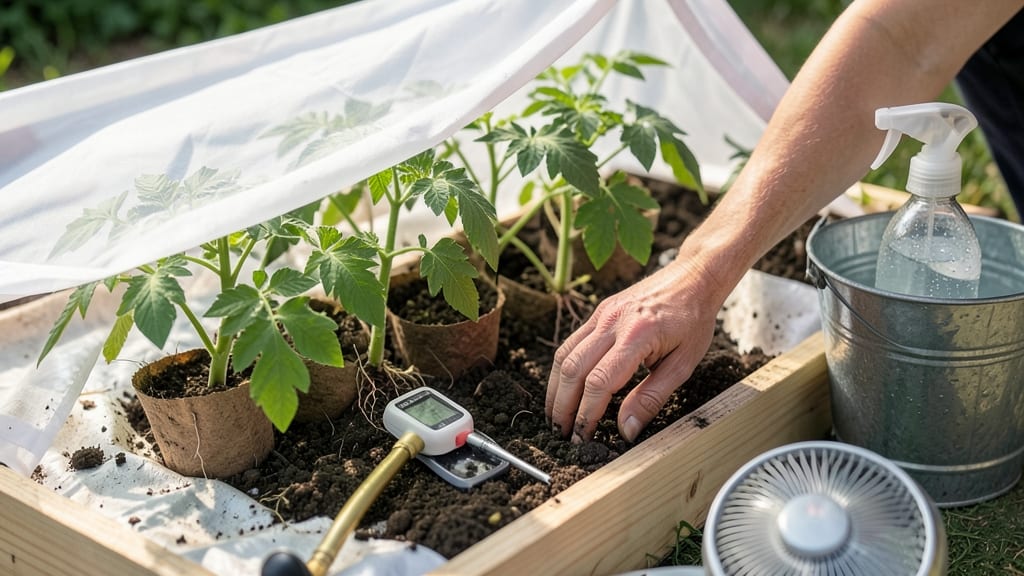
How to care for seedlings during a heatwave? Seedlings wilting in 90°F heat? I’ve lost entire trays to heat stress—until I discovered these three critical fixes that save them every time. 🌱 The difference between thriving starts and crispy casualties often comes down to two things: how you shade them and when you water. Most people overwater in the heat, drowning roots instead of hydrating them. My seedlings now survive heatwaves because I water early morning only—never midday—and use mulch to lock in moisture. The soil stays cool, roots stay active, and plants grow strong instead of leggy. You’ll spot heat stress fast: leaves curling, yellowing, or wilting by noon. Move containers to dappled shade (like under a tree) or use floating row covers for outdoor plants. Indoor seedlings need humidity trays or misting—just don’t soak the leaves. For recovery, trim damaged foliage and reduce sunlight gradually over 2-3 days. With these tweaks, your seedlings won’t just survive—they’ll outpace their neighbors once temperatures drop. Let’s fix this before your tray becomes a sad memory.
📚 In This Guide
- What you need
- Instructions
- Tips and common mistakes
- Wrapping up and next steps
What you need
- ● Shade cloth (30-50% blockage) – At least 2-4 square feet per seedling, depending on container size. Look for UV-stabilized fabric to prevent degradation.
- ● Spray bottles (16-32 oz) – 2-3 bottles for gentle, frequent misting (avoid heavy streams that disturb soil).
- ● Drip irrigation kit or soaker hoses – 1-2 feet per seedling for slow, deep watering. Adjust flow to a drip rate of 1-2 gallons per hour.
- ● Watering can with a fine rose attachment – 1 can for targeted hydration (especially for container seedlings).
- ● Thermometer (soil + air) – 1 digital model to monitor temps (ideal soil range: 60-75°F).
- ● Lightweight row covers or breathable fabric – Enough to drape over seedlings for evening heat relief (opt for 30-40% shade).
- ● Reflective mulch (aluminum foil or white plastic) – 1-2 sheets to lay around containers to deflect sunlight.
- ● Container-specific tools: For pots/trays: 1-2 shallow trays to catch runoff and cool roots.
- ● For garden beds: 1-2 inches of straw mulch to retain moisture.
- ● Automatic misting system – For large setups, a timed spray system can save time and stress.
- ● Heat-resistant grow lights (LED) – If seedlings are indoors, full-spectrum LEDs with cooling fans prevent overheating.
- ● Seedling heat shields – DIY with cardboard or foam boards painted white to reflect sunlight.
- ● Humidity dome replacements – Clear plastic wrap (lightly draped) for short-term humidity boosts (remove during peak heat!).
- ● Moisture meter – 1 handheld model to check soil moisture without overwatering.
Step-by-step instructions for protecting seedlings through extreme heat
Here’s how I’ve saved dozens of seedlings from wilting during brutal summer heat—without losing them to stress or disease.
☀️ Step 1: Provide Immediate Shade When Temperatures Exceed 85°F
Seedlings can’t handle direct sun when air temperatures climb above 85°F. The instant you see leaves drooping or turning pale, move them to a spot with 50-70% shade—think dappled sunlight under a tree or a shade cloth stretched overhead. I use a lightweight white shade cloth (30-50% block) because it diffuses heat while still allowing some light through.
If you don’t have shade cloth, improvise with white bedsheets or cardboard propped above the plants. Avoid dark materials—they absorb heat and bake the seedlings. Check the underside of leaves daily for yellowing or crispy edges, which signal heat stress. Once temperatures drop below 75°F in the evening, you can gradually reintroduce them to more sunlight.
💧 Step 2: Water Deeply in the Early Morning—Not at Noon
Morning watering is non-negotiable during heatwaves. I water before 8 AM when temperatures are still cool, using lukewarm water (cold water shocks heat-stressed roots). Soak the soil until water runs out the drainage holes—this encourages deep root growth, which seedlings desperately need to anchor themselves. Avoid overhead watering in the heat; it evaporates instantly and can scorch leaves.
Check soil moisture by sticking your finger 1 inch deep—if it feels dry, water again. Overwatering is just as deadly as underwatering, so let the top inch dry out between waterings. If your seedlings are in containers, move them to a tray filled with pebbles and water to keep humidity high without soggy soil.
🌿 Step 3: Boost Humidity Without Creating a Greenhouse Effect
Seedlings lose moisture rapidly in dry heat, so I increase humidity by placing shallow trays of water near them or misting the air around the plants (not the leaves) once daily in the early morning. A damp towel draped over the top of the tray adds extra moisture without trapping heat. Avoid plastic covers—they trap heat and invite fungal diseases like damping-off.
Watch for tiny white webs on leaves, which signal spider mites thriving in dry conditions. If you spot them, wipe leaves with a damp cloth and increase humidity further. Grouping seedlings together also helps—4-6 plants clustered create a microclimate with higher humidity. Just don’t let them touch; poor airflow encourages disease.
✂️ Step 4: Prune Damaged Leaves and Adjust Light Gradually
If leaves turn brown or crispy at the edges, snip them off with clean scissors to redirect the plant’s energy to new growth. Focus on removing only the most damaged areas—never prune more than 20% of the foliage at once. After a heatwave, seedlings often need time to recover, so I reduce light exposure by 50% for a few days to prevent shock.
Hardening off is critical before transitioning back to full sun. Start by moving seedlings to partial shade for 2 hours daily, then gradually increase their sun exposure over 5-7 days. You’ll know they’re ready when new leaves emerge firm and green, not wilted or yellowed. This slow reintroduction prevents sunburn and root stress.
⏰ Step 5: Monitor Nighttime Temperatures—They Matter Most
Heatwaves aren’t just about daytime temperatures—nighttime recovery is just as important. If temperatures stay above 70°F overnight, seedlings can’t cool down properly. Move them to a cooler, shaded spot (like a garage or basement with indirect light) if your home’s nighttime temps exceed that threshold. A fan on low speed circulating air around them helps dissipate heat without stressing the plants.
Watch for wilting that doesn’t recover by mid-morning—this is a red flag. If you see it, the seedlings are in shock and may need 24 hours of recovery in a cooler, humid environment. Once they perk up, reintroduce them to normal care gradually. Heatwaves are tough, but with these steps, your seedlings will bounce back stronger than ever.
Tips & tricks for protecting seedlings in extreme heat
Keeping seedlings alive during heatwaves isn't just about following steps—it's about understanding the subtle cues that make all the difference.
Shade Timing Precision: The 3-4 hours of direct sun limit is non-negotiable when temperatures exceed 90°F, but timing matters even more. Position your shade cloth to block the most intense afternoon sun (1 PM–4 PM), when UV rays are strongest. I've seen seedlings recover from morning sun stress but fail when exposed to those peak hours. For container plants, rotate them daily to ensure even shade exposure—what's shaded at 1 PM may get direct sun by 3 PM as the sun shifts west.
Watering Technique: Those two deep watering sessions should happen at the same time each morning—consistency is key. I use a moisture meter to check soil depth (2-3 inches) because visual cues can be misleading in heat. If the top inch feels dry but deeper soil stays moist, you're not watering deeply enough. For containers, weigh them before and after watering—you'll notice a significant difference when they're properly hydrated.
Stress Recovery Signals: After pruning damaged leaves in Step 3, watch for the "rebound effect"—healthy seedlings will perk up within 24 hours if the stress was just heat-related. If leaves stay limp or develop brown edges overnight, that's a sign of irreversible damage. In these cases, move the plant to cooler conditions immediately. I've saved seedlings this way even when they looked hopeless after a day of extreme heat.
Nighttime Temperature Watch: The 75°F nighttime threshold is critical because seedlings can't recover if they're constantly stressed. If your forecast shows nighttime temps above 80°F, prepare to move container plants indoors overnight. I keep a small fan running near them to improve airflow, which helps prevent fungal issues that thrive in warm, humid conditions. Even a few hours in cooler conditions can make a dramatic difference in their resilience the next day.
Pro Tips for Care For Seedlings During Heatwave
- Keeping seedlings alive during heatwaves isn't just about following steps—it's about understanding the subtle cues that make all the difference.
- Shade Timing Precision: The 3-4 hours of direct sun limit is non-negotiable when temperatures exceed 90°F, but timing matters even more.
- Watering Technique: Those two deep watering sessions should happen at the same time each morning—consistency is key.
Frequently asked questions
Got questions about keeping your seedlings thriving in scorching temperatures? You’re not alone! Here are some of the most common concerns—and expert-backed answers—to help you navigate the heatwave like a pro.
How often should I water seedlings during a heatwave?
Check soil moisture daily—especially in the morning and late afternoon. Seedlings need frequent, shallow watering (about ½ inch per week) to keep roots cool. Use a spray bottle for delicate leaves or a drip irrigation system to avoid disturbing soil. Pro tip: Water deeply but gently to prevent runoff, and always water at the base, not overhead!
Can I use regular shade cloth, or do I need special heatwave protection?
Regular shade cloth (30-50% shade) works, but for extreme heat (above 90°F/32°C), opt for 50-70% shade or white fabric row covers to reflect sunlight. Avoid black plastic or dark mulch, which can bake roots. If you’re DIY-ing, a lightweight cotton sheet or even a well-ventilated pop-up tent can work in a pinch!
What’s the best time of day to handle seedlings during a heatwave?
Early morning (before 8 AM) or late evening (after 6 PM) are ideal for transplanting, pruning, or inspecting seedlings. Midday heat (10 AM–4 PM) stresses plants and can cause wilting or sunburn. If you must work during peak heat, soak seedlings first and work in the shade to avoid shock.
How do I tell if my seedlings are overheating vs. just thirsty?
Overheating signs: Drooping despite moist soil, crispy leaf edges, or a wilted, limp appearance even after watering. Thirsty seedlings usually perk up quickly with water. For extreme heat, move pots to a cooler spot (like a garage or basement) overnight if temps exceed 95°F (35°C). Warning: If leaves turn yellow or feel rubbery, it’s a red flag for heat stress.
What if my seedlings bolt or flower too early in the heat?
Bolting (premature flowering) is common in heatwaves, especially for cool-season crops like lettuce or spinach. To slow it down: Harvest outer leaves to reduce stress, mulch heavily with straw or grass clippings to keep roots cool, and choose heat-tolerant varieties (like Malabar spinach or Swiss chard) for future plantings.
Still stumped? Drop your specific seedling type or heatwave challenge in the comments—we’ve got you covered!
Wrapping up and next steps
Caring for seedlings during a heatwave is all about patience, strategy, and quick action—but with the right techniques, your little plants can thrive even under the sun’s fiercest glare. 🌱✨ Remember, shade, hydration, and proper airflow are your best allies, so stay vigilant and adjust as needed.
Now that you’re armed with these secrets, take that next step: monitor your seedlings daily and tweak their care routine as the weather shifts. You’ve got this—your green future is growing one seedling at a time!