
Orchid Care
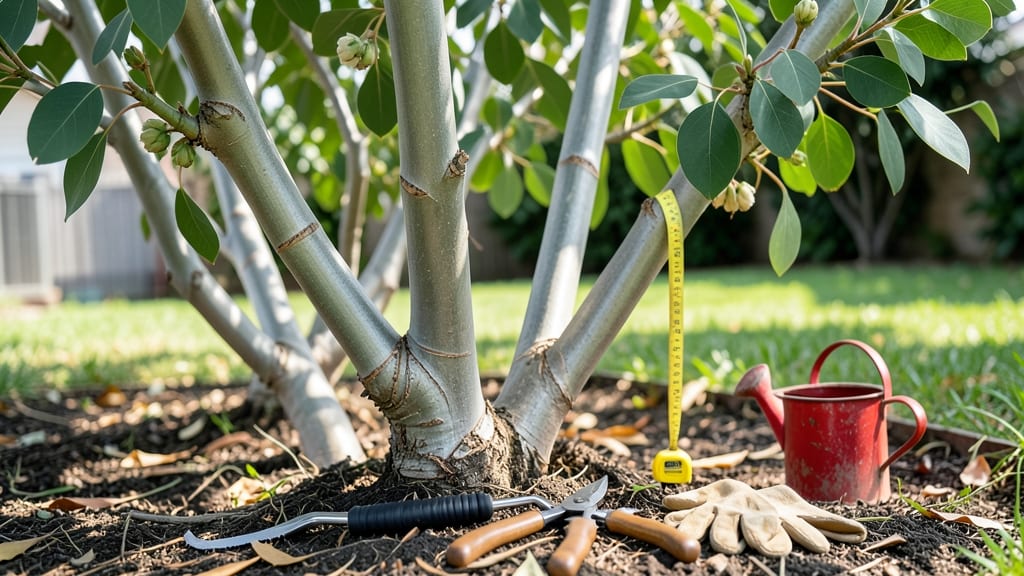
Caring for eucalyptus stems isn't just about trimming—it's about unlocking their full lifespan potential. 🌿 I’ve learned the hard way that proper pruning transforms a struggling plant into a thriving, fragrant centerpiece that lasts for years.
The key lies in understanding when and how to cut, and how to support the plant between prunings.
Eucalyptus stems thrive with bright, indirect light—whether indoors near a sunny window or outdoors in partial shade. Overwatering is the silent killer, so let the top inch of soil dry out before watering again.
And here’s the game-changer: prune in early spring to encourage fresh, vigorous growth before the active growing season kicks in.
With the right technique, you’ll see new shoots emerge within 4-6 weeks, and the plant will develop a fuller, bushier shape. The scent becomes richer, and the leaves stay vibrant for months longer. Even in containers, eucalyptus can flourish if you follow these simple rules—no green thumb required.
Outdoor plants handle pruning better than indoor ones, but both benefit from regular deadheading to keep energy focused on new growth. Just avoid heavy pruning in late summer or fall, or you’ll risk stunted growth next season. Let’s get those stems looking their best!
📚 In This Guide
- What you need
- Instructions
- Tips and common mistakes
- Wrapping up and next steps
What you need
- ● Pruning shears or bypass pruners: Sharp, clean pair (sterilized with rubbing alcohol) to avoid disease transmission. Size: 5-7 inches for precision.
- ● Gloves: Heavy-duty gardening gloves (cut-resistant) to protect hands from thorns and sap.
- ● Disinfectant (rubbing alcohol or bleach solution): 70% isopropyl alcohol or 1 part bleach to 9 parts water for sterilizing tools.
- ● Container or bucket: For collecting pruned stems (1-2 gallon size for medium-sized plants).
- ○ Potting mix (optional but helpful): Well-draining cactus/succulent mix if propagating cuttings (1 bag, ~2 cubic feet).
- ○ Rooting hormone (optional): Powder or gel to boost propagation success (small jar, ~1 oz).
- ● Hose with nozzle: For rinsing tools and stems post-pruning (gentle spray setting).
- ● Plant food (balanced fertilizer): 10-10-10 or similar for post-pruning recovery (small bottle, ~8 oz).
- ● Plastic wrap or humidity dome: To create a mini greenhouse for cuttings (clear plastic sheet or small propagator).
- ● Label markers: For tracking pruned stems if propagating (waterproof labels).
Step-by-Step guide to pruning eucalyptus for healthy growth
Revitalize your eucalyptus with these pruning secrets—your plant will thank you with lush new growth.
✂️ Step 1: Prune in Late Winter or Early Spring
Eucalyptus responds best to pruning when it's just waking up from dormancy. Aim for late winter or early spring before new growth begins—this timing gives your plant energy to recover and branch out. Avoid pruning in fall or winter when growth slows, as this can stress the plant.
Look for dead or yellowing branches first—they’re the easiest to spot and should be removed immediately. Use clean, sharp pruning shears to make cuts just above a leaf node (the small bump where leaves attach). This encourages new shoots to grow from that spot.
✂️ Step 2: Shape for Airflow and Light
Eucalyptus thrives with good airflow and sunlight, so prune to open up the center of the plant. Start by removing any crossing or rubbing branches—they compete for resources and can create weak spots. Cut back overgrown branches by about one-third to maintain a natural shape.
Focus on thinning out dense areas rather than just trimming the ends. You’ll know you’re doing it right when light can filter through to the inner branches. This prevents fungal issues and encourages even growth throughout the plant.
☀️ Step 3: Encourage Bushier Growth
To promote a fuller, bushier eucalyptus, trim the tips of the main branches. Cut just above a set of leaves where you want new growth to sprout. Avoid cutting too close to the trunk, as this can leave unsightly stubs and invite disease.
Watch for new shoots emerging within 2-4 weeks after pruning. These will fill out the plant’s structure over time. If your eucalyptus is leggy, prune the topmost branches to redirect energy toward lower growth—this balances the plant’s shape and strength.
💧 Step 4: Post-Pruning Care for Recovery
After pruning, give your eucalyptus a deep watering to help it recover. Water at the base, avoiding the leaves to prevent fungal infections. Mulch around the plant with 2-3 inches of organic mulch to retain moisture and protect roots from temperature swings.
Keep the pruned area clean by removing fallen leaves and debris. This reduces pests and disease risks. In the weeks following pruning, monitor the plant for signs of stress, like wilting or yellowing leaves. If you see these, adjust watering or move the plant to a slightly shadier spot until it stabilizes.
⏰ Step 5: Maintain Year-Round with Light Trims
Once you’ve done the major pruning, keep up with light maintenance throughout the year. Trim any new overgrowth or straggly branches to maintain your desired shape. A little attention every few months prevents the need for drastic cuts later.
Real talk: Eucalyptus grows fast, so don’t skip regular check-ins. If you notice branches growing toward the light (a sign of legginess), trim them back early. This keeps your plant compact and healthy—no need for drastic measures later.
Tips & tricks for pruning eucalyptus stems
Here's what nobody tells you about keeping your eucalyptus thriving after the initial trim.
Timing is Everything: Late winter or early spring isn't just a suggestion—it's when eucalyptus is naturally gearing up for growth. If you prune too early, you're cutting into last season's energy stores. I learned this the hard way after seeing my plant struggle to recover after a fall trim. The plant needs that dormancy period to rebuild before you ask it to grow again.
Tool Matters More Than You Think: Don't use dull or dirty pruning shears—they crush stems instead of making clean cuts. I now keep a dedicated pair just for eucalyptus, sterilized with rubbing alcohol between uses. Sharp tools create smaller wounds that heal faster, and clean tools prevent disease transmission between cuts. For larger branches, consider using a pruning saw for clean cuts without tearing.
The One-Third Rule: When cutting back overgrown branches in Step 2, remember the one-third guideline applies to the branch's length, not just the ends. This maintains the plant's natural energy balance. I once cut back too aggressively and ended up with a leggy plant that took years to recover. Think of it like haircuts—you don't want to shave your head bald, just give it a fresh shape.
Post-Pruning Recovery Secret: That deep watering after pruning isn't just about hydration—it's about helping the plant flush out any stress hormones from the cutting process. I've found adding a handful of compost to the soil during this watering gives an extra nutrient boost to help with recovery. Just avoid wetting the leaves to prevent fungal issues.
Pro Tips for Care For Eucalyptus Stems
- Here's what nobody tells you about keeping your eucalyptus thriving after the initial trim.
- Timing is Everything: Late winter or early spring isn't just a suggestion—it's when eucalyptus is naturally gearing up for growth.
- Tool Matters More Than You Think: Don't use dull or dirty pruning shears—they crush stems instead of making clean cuts.
Frequently asked questions
Got questions about keeping your eucalyptus stems healthy and thriving?
Here are answers to the most common ones—so you can prune with confidence and enjoy those lush, aromatic branches for years!
How often should I prune eucalyptus stems?
Prune eucalyptus stems lightly every 6–12 months to encourage new growth and maintain shape. Avoid heavy pruning—focus on trimming only the tips (about 1/3 of the stem) to avoid stressing the plant. Over-pruning can weaken it, so think of it like a haircut: just enough to keep it looking fresh!
Can I prune eucalyptus in winter?
Winter is not ideal for pruning eucalyptus because the plant is dormant. Instead, opt for late spring or early summer when new growth is active. If you must prune in cooler months, do so sparingly and avoid frost-prone areas. Patience pays off—wait for warmer weather to see the best results!
What do I do with the cuttings after pruning?
Don’t toss those trimmings! Eucalyptus cuttings can root easily in water or soil. Place them in a jar of water (change weekly) or plant directly in moist soil. Keep them in bright, indirect light until roots form (usually 2–4 weeks). It’s a free way to expand your collection—just like cloning your favorite plant!
Why are my eucalyptus stems turning yellow or brown after pruning?
Yellowing or browning can signal stress from over-pruning, disease, or pests. If it’s just the trimmed ends, that’s normal—they’ll dry out. But if the entire stem is affected, check for:
- Fungal issues (like powdery mildew)—treat with neem oil.
- Pests (aphids or mites)—wipe leaves with soapy water.
- Underwatering—eucalyptus loves consistent moisture but hates soggy roots.
Can I use eucalyptus stems indoors long-term?
While eucalyptus stems can live indoors for months, they’re happiest outdoors in USDA zones 8–11. Indoors, they may grow slower and drop leaves faster due to lower humidity. If you’re keeping them inside, place them near a sunny window or under grow lights, and mist the leaves occasionally. For long-term health, a small outdoor pot is ideal!
Wrapping up and next steps
Caring for eucalyptus stems is all about patience, precision, and consistency—but the rewards are worth it! By mastering the right pruning techniques, you’ll not only extend your plant’s lifespan but also encourage lush, vibrant growth.
Whether you’re trimming for shape, health, or propagation, remember: less is often more—avoid over-pruning, and always use clean tools to prevent disease.
Ready to level up your eucalyptus care game? 🌿 Start by experimenting with a single branch or section, and soon, you’ll be confidently shaping your plant like a pro. Happy pruning—and enjoy the fresh, aromatic beauty of your thriving eucalyptus!