
Orchid Care
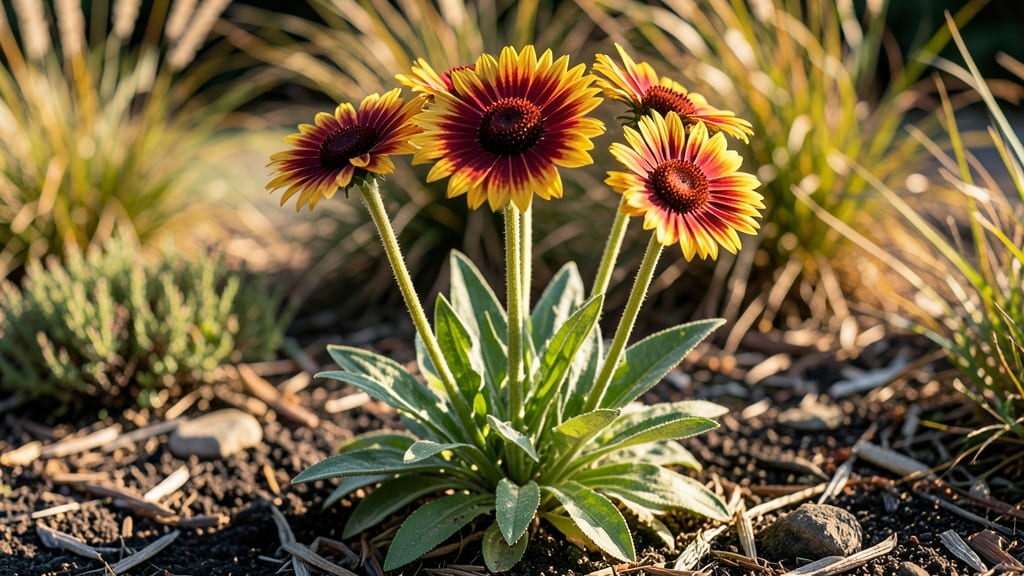
How to care for gaillardia—these fiery blooms refuse to quit, even when you forget to water. 🌻 I’ve grown these resilient flowers for years, and they’ve taught me that low-maintenance doesn’t mean boring. The secret? Understanding their simple needs before they even break ground.
These drought-tolerant stars thrive in full sun and well-draining soil, but they’ll still reward you with nonstop color if you skip the fuss. Gaillardia blooms self-clean—spent flowers drop on their own—so deadheading isn’t mandatory.
That said, a quick trim after the first flush keeps them flowering until frost. The real magic? They bounce back after heatwaves and even light freezes, making them the ultimate "plant and forget" perennial.
By summer’s end, you’ll have a vibrant patch that hums with pollinators while requiring less attention than most annuals. The flowers even dry beautifully for arrangements, so you’re not just getting color—you’re getting cut flowers for free. Here’s how to set them up for success without the overwhelm.
Whether you’re filling a sunny border or a wildflower meadow, gaillardia’s adaptability makes it a foolproof choice. Let’s get your patch blooming brighter than ever—with almost no effort.
📚 In This Guide
- What you need
- Instructions
- Tips and common mistakes
- Wrapping up and next steps
What you need
- ● Gaillardia plants: Start with healthy nursery-grown plants (1-3 per pot or garden spot, depending on desired fullness). Choose varieties like Gaillardia pulchella (annual) or Gaillardia aristata (perennial).
- ● Well-draining potting mix: 5-10 gallons, depending on container size (use a blend with perlite or sand for pots). For in-ground planting, amend soil with compost (1-2 inches mixed into the top 6-12 inches of soil).
- ● Balanced fertilizer: 10-10-10 or 20-20-20 (granular or liquid), applied every 4-6 weeks during the growing season (spring to fall).
- ● Pruning shears: Sharp, clean pair for deadheading and shaping (sterilize with rubbing alcohol between cuts).
- ○ Gloves: Garden gloves (optional but recommended for prickly stems).
- ● Watering can or hose with a gentle spray nozzle: Avoid overhead watering to prevent fungal diseases.
- ○ Mulch (optional): 1-2 inches of organic mulch (e.g., straw or shredded bark) to retain moisture and suppress weeds.
- ○ Stakes or cages (optional): For tall varieties (e.g., Gaillardia aristata), use 1-2 stakes per plant to support stems if needed.
- ○ pH test kit (optional): Gaillardia thrives in slightly acidic to neutral soil (pH 6.0-7.5).
- ● Sunlight: At least 6-8 hours of full sun daily (partial shade in hot climates can help prevent bolting).
- ● Drainage: Ensure containers or garden beds have adequate drainage—Gaillardia hates soggy roots!
- ● Hardiness zone: Perennial varieties (e.g., G. aristata) thrive in zones 3-10; annuals grow almost anywhere.
Step-by-step instructions for growing thriving gaillardia
Here’s how to keep your gaillardia blooming like clockwork—with less fuss than you’d expect.
🌱 Step 1: Plant in Well-Draining Soil with Full Sun
Gaillardia thrives in full sun (6+ hours daily), so pick the sunniest spot in your garden. Amend heavy or clay soil with compost or coarse sand to improve drainage—waterlogged roots spell disaster for these drought-tolerant beauties. Dig a hole twice as wide as the root ball but only as deep, then loosen the soil around the edges to encourage root spread.
Space plants 12-18 inches apart for air circulation, which prevents fungal diseases. If your soil is poor, mix in a slow-release fertilizer at planting time. Water deeply right after planting to settle the soil, but resist the urge to overdo it—gaillardia hates soggy feet.
☀️ Step 2: Water Deeply but Infrequently
Once established, gaillardia is famously drought-tolerant, but young plants need consistent moisture. Water 1-2 inches per week, letting the top 2-3 inches of soil dry out between waterings. Overwatering causes root rot, while underwatering makes flowers small and sparse. You’ll know you’re doing it right when the soil feels dry to the touch at the surface but still holds moisture deeper down.
Water at the base of the plant in the morning to reduce evaporation and fungal risks. Mulch with 1-2 inches of organic mulch (like straw or shredded bark) to retain moisture and suppress weeds. Just keep the mulch 2 inches away from stems to prevent rot.
✂️ Step 3: Deadhead Strategically for Nonstop Blooms
Here’s the secret to year-round color: deadhead selectively. Snip off spent blooms by cutting the stem just above a set of healthy leaves or a side bud. This encourages new flowers to form from the base rather than just the tips. I like to do this every 2-3 days during peak bloom (spring through fall) to keep the plant producing.
Skip deadheading in late summer if you want to enjoy the seed heads’ winter interest. The dried blooms add texture to winter gardens and attract birds. If you’re growing gaillardia for cut flowers, harvest stems in the early morning when buds are just starting to open—they’ll last 5-7 days in a vase.
🌿 Step 4: Fertilize Lightly and Prune for Shape
Gaillardia isn’t a heavy feeder, but a light application of balanced fertilizer (10-10-10) in early spring jumpstarts growth. Avoid high-nitrogen fertilizers—they produce lush foliage at the expense of flowers. After the first flush of blooms, trim back leggy stems by one-third to encourage bushier growth and more flowers.
In late fall, cut back the plant to 3-4 inches tall to remove dead foliage and encourage fresh spring growth. This also prevents disease buildup in old stems. Gaillardia is hardy in USDA zones 3-10, so it’ll bounce back year after year with minimal winter care.
⏰ Step 5: Overwinter with Minimal Effort
In colder climates, mulch heavily with 3-4 inches of straw or leaves after the first hard frost to insulate roots. Gaillardia is cold-hardy, but the mulch prevents heaving and protects tender new growth in spring. In warmer zones, reduce watering but keep the soil slightly moist—gaillardia can bloom lightly even in winter with consistent care.
Spring is the time to divide overcrowded clumps every 2-3 years. Dig up the plant, separate the roots, and replant the divisions. This rejuvenates the plant and gives you free extra blooms for your garden. Gaillardia’s low-maintenance nature makes it a standout for busy gardeners—just plant it, water it occasionally, and enjoy the show.
Tips & tricks for perfect gaillardia care
These simple strategies will help you coax vibrant blooms from your gaillardia with minimal effort.
Soil Prep Secret: Before planting, mix a handful of coarse sand into the bottom of the planting hole—this creates instant drainage channels that prevent waterlogging. Gaillardia roots despise soggy conditions, so this small step can save your plants from root rot during heavy rains. I’ve seen plants thrive in clay soil after adding this simple amendment.
Watering Wisdom: The 1-2 inches per week guideline works best when you check soil moisture with your fingers. Stick your index finger about 2 inches deep—if it feels dry, water; if it’s still moist, wait. Morning watering is key: it reduces evaporation and gives leaves time to dry before nightfall, cutting down on fungal risks. I’ve found that watering at the base (not overhead) keeps foliage crisp and healthy.
Deadheading Technique: For continuous blooms, use clean, sharp pruners to snip stems at a 45-degree angle just above a leaf node. This angled cut prevents water from pooling on the stem, which can cause rot. I’ve noticed that cutting above a side bud rather than the main stem encourages bushier growth and more flowers. And remember: the 2-3 day deadheading schedule keeps your gaillardia looking fresh without overwhelming your schedule.
Winter Prep: In colder zones, don’t skip the 3-4 inch mulch layer—it’s your plant’s winter blanket. I’ve seen gaillardia survive -20°F winters with proper mulching, while unprotected plants struggled. For extra insulation, add a layer of evergreen boughs over the mulch in the harshest climates. This prevents heaving and protects tender roots from freezing.
Pro Tips for Care For Gaillardia
- These simple strategies will help you coax vibrant blooms from your gaillardia with minimal effort.
- Soil Prep Secret: Before planting, mix a handful of coarse sand into the bottom of the planting hole—this creates instant drainage channels that prevent waterlogging.
- Watering Wisdom: The 1-2 inches per week guideline works best when you check soil moisture with your fingers.
Frequently asked questions
Got questions about keeping your gaillardia blooming like a pro?
Here are answers to the most common concerns—so you can enjoy vibrant color with confidence!
How often should I water gaillardia?
Gaillardia is drought-tolerant once established! Water deeply once a week during dry spells, but avoid soggy soil. New plants need consistent moisture (every 2–3 days) until roots take hold. Pro tip: Let the top inch of soil dry out between waterings to prevent root rot.
When is the best time to deadhead gaillardia?
Deadhead spent blooms regularly (every 2–3 days) to encourage more flowers! Snip just above the next set of leaves or buds with clean shears. Timing matters: Do this in the morning when blooms are dry to reduce disease risk.
Can gaillardia survive winter in cold climates?
In zones 5–7, gaillardia is perennial but may die back in harsh winters. Mulch heavily (3–4 inches) with straw or leaves to protect roots. In colder zones (below 5), treat it as an annual or lift and overwinter indoors. Bonus: Cut back dead foliage in early spring for fresh regrowth!
Why are my gaillardia leaves turning yellow?
Yellow leaves usually signal overwatering or pests. Check for:
- Fungal issues: Reduce watering and improve drainage.
- Aphids/spider mites: Spray with neem oil or insecticidal soap.
- Nutrient deficiency: Feed with a balanced fertilizer (10-10-10) in early spring.
What’s a good companion plant for gaillardia?
Pair gaillardia with low-maintenance, sun-loving plants like:
- Lavender (repels pests)
- Black-eyed Susans (same care needs)
- Russian sage (drought-tolerant)
- Salvia (complements colors)
Wrapping up and next steps
Caring for gaillardia is a rewarding journey that brings vibrant color to your garden with minimal effort! With the right soil, sunlight, and occasional deadheading, these cheerful blooms thrive year after year. Don’t let their low-maintenance nature fool you—your attention to a few key steps will keep them flourishing.
Now that you’re armed with tips, take the next step! Snip those spent blooms, mulch for winter prep, and watch your gaillardia put on a show. Happy gardening—your garden (and pollinators!) will thank you. 🌸✨