
Transplanting
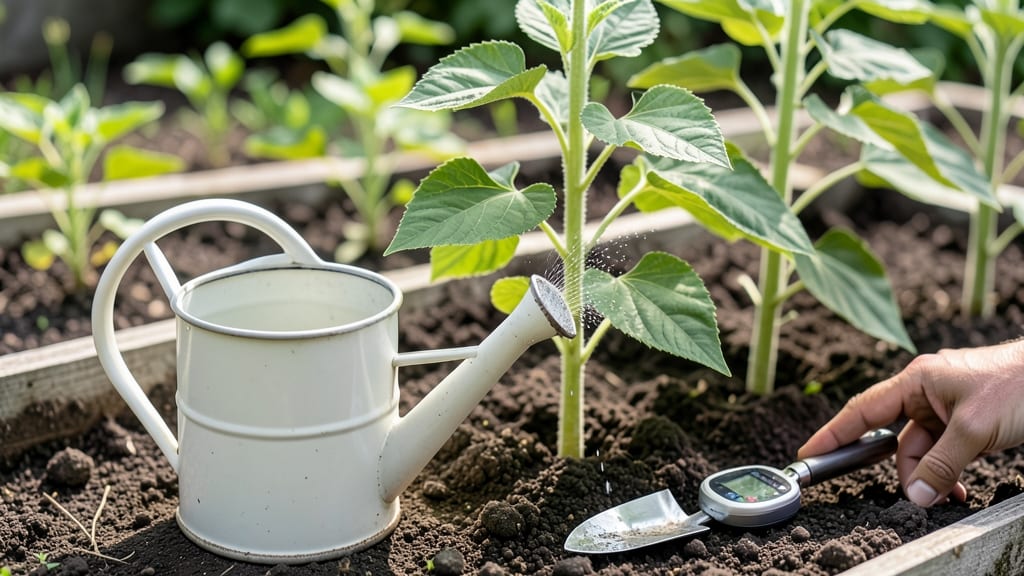
Caring for sunflower seedlings starts with the right balance—too much water and they drown, too little and they wilt. 🌱 I’ve watched dozens of seedlings go from fragile sprouts to towering giants by following just a few key rules, and I’m sharing them here to save you the heartbreak of weak stems or stunted growth.
Sunflowers need bright light (at least 6-8 hours daily), well-draining soil, and consistent moisture—not soggy. Most beginners overwater, thinking seedlings need constant dampness, but sunflowers hate wet feet. A simple trick: water when the top inch of soil feels dry, and always use a tray to catch excess.
By the time they’re 4-6 inches tall, your seedlings will be sturdy enough for transplanting. The secret to strong stems? Hardening off for a week before moving them outside—just place them in shade for a few hours each day, then gradually increase sun exposure.
This prevents shock and encourages rapid growth.
Watch for common pitfalls like overcrowding (thin seedlings to 12 inches apart) or yellowing leaves (a sign of overwatering or nutrient deficiency). With the right care, your sunflowers will shoot up 8-10 feet tall in just a few months, blooming into cheerful giants that attract pollinators and brighten any garden.
📚 In This Guide
- What you need
- Instructions
- Tips and common mistakes
- Wrapping up and next steps
What you need
- ● Seedling trays or pots: 2–4 inch (5–10 cm) deep containers (biodegradable or plastic). Quantity: 1 tray or 6–12 individual pots per seedling.
- ● High-quality potting mix: Lightweight, well-draining mix with perlite or vermiculite. Avoid garden soil—it’s too dense! Quantity: Enough to fill containers to 1 inch (2.5 cm) from the top.
- ● Sunflower seeds: Non-GMO, heirloom, or hybrid varieties (e.g., ‘Mammoth’, ‘Autumn Beauty’). Quantity: 1–2 seeds per pot.
- ● Watering can or spray bottle: With a fine mist nozzle for gentle hydration.
- ● Grow lights or sunny windowsill: 6–8 hours of light daily (south-facing window or LED grow lights).
- ○ Fertilizer: Balanced, water-soluble fertilizer (10-10-10 or 5-5-5 ratio). Optional: Start with half-strength to avoid burning seedlings.
- ● Small hand trowel or spoon: For transplanting or mixing soil additives.
- ● Labels and markers: To track seedling varieties and planting dates.
- ● Seedling heat mat: Keeps soil warm (70–75°F/21–24°C) for faster germination.
- ● Humidity dome or plastic wrap: Retains moisture during germination (remove once sprouts appear).
- ● Organic mulch (e.g., straw or coconut coir): Helps retain soil moisture and regulate temperature.
- ● pH testing kit: Ensures soil pH is between 6.0–7.0 (sunflowers prefer slightly acidic to neutral).
- ● Compost or worm castings: Boosts nutrient density in soil (mix 10% into potting soil).
Step-by-step instructions for caring for sunflower seedlings
Here’s how to nurture those delicate sprouts into sturdy, sun-loving giants.
🌱 Step 1: Provide Consistent Moisture Without Overwatering
Sunflower seedlings need moisture to establish roots, but soggy soil suffocates them. Water gently when the top ½ inch of soil feels dry—about every 2-3 days—using a watering can with a fine rose. Avoid wetting the leaves to prevent fungal diseases like powdery mildew, which can cripple young plants.
I like to water in the morning so excess moisture evaporates by evening. You’ll know you’ve got it right when the soil stays damp but not saturated—think of a wrung-out sponge. Too much water causes yellowing leaves, while too little stunts growth. Check the soil daily during hot spells.
☀️ Step 2: Give Them Bright, Indirect Light at First
Seedlings crave light but can’t handle harsh midday sun yet. Place them in a spot with 6-8 hours of bright, indirect light—a south-facing window with sheer curtains works well. If your seedlings stretch toward the light (a sign of legginess), they need more intensity. Move them closer to the window or supplement with a grow light for 14-16 hours daily.
Here’s the thing—sunflowers will lean toward the light if it’s uneven. Rotate the pots a quarter turn every few days so they grow straight. You’ll notice them perking up within a week of consistent light exposure, with thicker stems and darker green leaves.
🪴 Step 3: Thin Seedlings for Stronger Growth
Once seedlings have 2-3 true leaves (the second set after the initial seed leaves), it’s time to thin. Use scissors to snip the weakest stems at soil level, leaving the strongest 1-2 plants per pot. Crowded seedlings compete for nutrients, leading to weak, spindly stems that snap easily in wind or rain.
Don’t yank them out—this disturbs the roots of the remaining plants. If you’re transplanting, wait until seedlings are 4-6 inches tall and hardy enough to handle the move. Space them 12-18 inches apart in the ground or larger containers to give their roots room to expand.
✂️ Step 4: Fertilize Lightly for Balanced Growth
Sunflowers are heavy feeders, but seedlings don’t need much at first. After thinning, apply a balanced, water-soluble fertilizer (like 10-10-10) at half-strength to avoid burning tender roots. Mix it into the water and apply it every 2-3 weeks during active growth. You’ll see stronger stems and vibrant foliage within a few feedings.
Skip the fertilizer if your seedlings look stressed—yellowing leaves or wilting could mean overwatering or poor drainage, not nutrient deficiency. Stick to the half-strength rule until they’re 8-10 inches tall, then you can gradually increase to full strength.
🌿 Step 5: Harden Off Before Transplanting
Two weeks before your last frost date, start hardening off seedlings by placing them outside in a sheltered spot for 1-2 hours the first day. Gradually increase their outdoor time by 1 hour daily, moving them to sunnier locations as they adjust. By the end of the week, they should tolerate a full day outside.
Watch for signs of stress—wilting or curled leaves mean they’re not ready. Once hardened off, transplant on a cool, overcast day to reduce shock. Bury the stem a bit deeper than in the pot to encourage stronger root growth. Within a week, you’ll see new leaves sprouting, signaling they’ve taken root.
Tips & tricks for thriving sunflower seedlings
Here's what I've learned from years of growing sunflowers that'll help you avoid common pitfalls and nurture seedlings that reach their full potential.
Soil Moisture Secret: The top inch of soil should feel like a wrung-out sponge—not bone-dry, not dripping wet. I've found that using a moisture meter takes the guesswork out of it. If you don't have one, the finger test works too: push your finger in about an inch. If it comes out clean, water; if it sticks with soil, wait. Confession: I skipped this step for years and wondered why my seedlings kept developing blackened stems.
Light Exposure Technique: Sunflowers are sun-worshippers, but too much direct light too soon can scorch tender leaves. Start with morning sun only, then gradually increase exposure over 3-4 days to full sun. I rotate my pots a quarter turn every few days to prevent leaning—this creates stems that grow straight and strong from the start. The difference between a leggy, weak plant and a sturdy one often comes down to this simple rotation habit.
Fertilizer Timing: Wait until you see those 2-3 true leaves before fertilizing—those little seed leaves don't need extra nutrition. When you do fertilize, morning application is key because cooler temperatures help prevent root burn. I've learned the hard way that fertilizing too early or too often leads to weak, floppy stems that can't support those massive blooms later on. Think of it as giving your seedlings a vitamin boost, but only when they're ready for it.
Thinning Strategy: Don't be afraid to thin aggressively! I always keep just the strongest 2-3 seedlings per pot, even if it means discarding perfectly good-looking plants. The remaining seedlings will grow twice as robust when they're not competing for space and nutrients. And here's a pro move: do your thinning on a cloudy day when temperatures are cooler—your plants will handle the stress better.
Pro Tips for Care For Sunflower Seedlings
- Here's what I've learned from years of growing sunflowers that'll help you avoid common pitfalls and nurture seedlings that reach their full potential.
- Soil Moisture Secret: The top inch of soil should feel like a wrung-out sponge—not bone-dry, not dripping wet.
- Light Exposure Technique: Sunflowers are sun-worshippers, but too much direct light too soon can scorch tender leaves.
Frequently asked questions
Got questions about keeping your sunflower seedlings thriving? You’re not alone! Here are some of the most common concerns—and straightforward answers to help you grow confidently.
How often should I water sunflower seedlings?
Keep the soil consistently moist but not soggy. Water gently at the base (avoid overhead spraying) every 2–3 days or when the top inch of soil feels dry. Overwatering can drown tender roots, so let excess water drain away. Pro tip: Use a spray bottle for seedlings in small pots!
When is the best time to transplant sunflower seedlings outdoors?
Wait until after the last frost and when nighttime temps stay above 50°F (10°C). Seedlings need strong stems (about 4–6 inches tall) and 4–6 true leaves before moving them. Harden them off for 5–7 days by placing them outside for a few hours daily.
What should I do if my seedlings look leggy or weak?
Leggy seedlings usually mean they’re stretching for light. Move them to a sunny spot (6+ hours of light daily) and rotate pots occasionally. If they’re already planted, thin them to 12–18 inches apart to reduce competition. For extra support, use a small stake or cage early on!
Can I grow sunflowers from store-bought seeds, or do I need special seeds?
Store-bought sunflower seeds (like those from birdseed mixes) won’t grow—opt for heirloom or hybrid sunflower seeds from garden centers or online. Look for varieties like ‘Mammoth’ or ‘Teddy Bear’ for reliable seedlings. Pro tip: Soak seeds in water overnight to speed up germination!
What’s the ideal temperature for sunflower seedlings?
Seedlings thrive in 60–75°F (15–24°C) during the day and 50°F (10°C) or warmer at night. If temps drop below 40°F (4°C), cover them with row fabric or move pots indoors temporarily. Avoid cold drafts—they can stunt growth!
Still stumped? Drop your question in the comments—we’re happy to help your sunflowers reach for the sky!
Wrapping up and next steps
Caring for sunflower seedlings is all about patience, consistency, and a little love—just like nurturing any young plant! 🌱 With the right balance of sunlight, water, and support, your seedlings will grow into tall, vibrant sunflowers that brighten your garden.
Now that you’re armed with these tips, it’s time to roll up your sleeves and watch your hard work bloom into beauty.
Ready to take the next step? Transplant your seedlings outdoors once the soil is warm and the threat of frost has passed—your garden will thank you! 🌞