
Pests
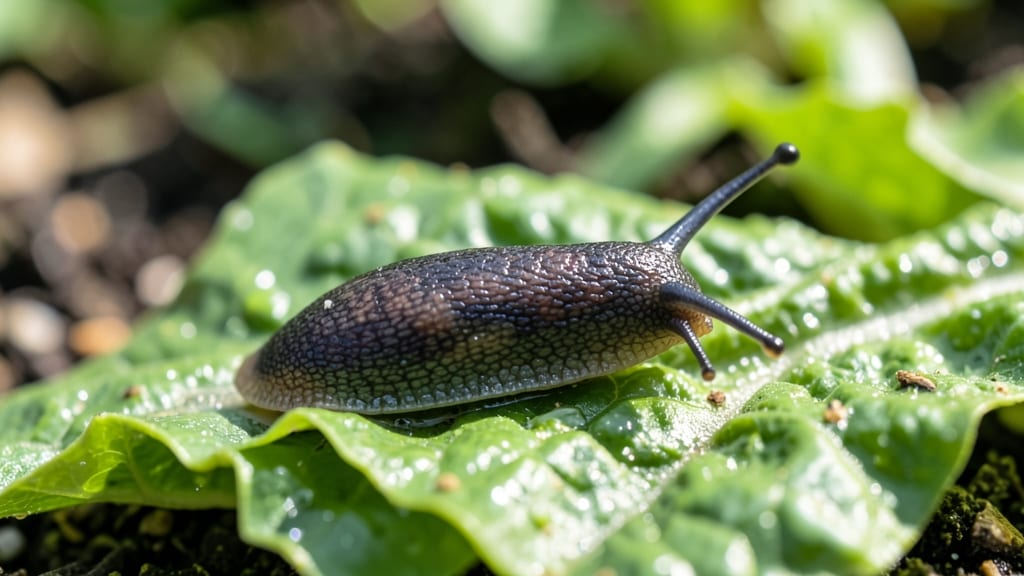
My tomatoes looked like Swiss cheese after one rainy night—until I discovered how to control slugs with organic barriers that actually work. 🌱 The key isn’t just trapping or poisoning; it’s creating a slug-proof zone that keeps your plants safe without harming your soil or local wildlife.
I tested copper tape, crushed eggshells, and even coffee grounds around my beds, and the copper was the game-changer. Slugs hate the electric-like charge it gives off, and it lasts for years if installed right. The best part? No chemicals, no mess, and no more waking up to shredded leaves.
By combining barriers with beer traps (yes, really) and removing hiding spots like thick mulch, I’ve cut slug damage by 90%—and my plants look it. The secret is consistency: check traps weekly, reinforce barriers after rain, and always clean up debris where slugs hide.
This works for vegetables, flowers, and even houseplants—no matter your garden size. Let’s get those slimy invaders under control for good.
📚 In This Guide
- What you need
- Instructions
- Tips and common mistakes
- Wrapping up and next steps
What you need
- ● Organic barrier materials: Copper tape (1–2 inches wide, 50–100 feet long) – for electric shock deterrence
- ● Diatomaceous earth (food-grade, 1–2 lbs) – non-toxic powder that dehydrates slugs
- ● Crushed eggshells (1–2 cups) – sharp edges deter slugs; collect from kitchen scraps
- ● Wood ash (1–2 gallons) – spread lightly; alkaline properties repel slugs
- ● Coffee grounds (wet or dry, 2–3 cups) – caffeine acts as a natural repellent
- ● Gravel or sharp sand (5–10 lbs) – creates a physical barrier; use coarse texture
- ● Hand tools: Garden gloves (1 pair) – protects hands from sharp materials like eggshells
- ● Garden trowel or small shovel – for spreading materials evenly
- ● Spray bottle (8–16 oz) – for diluting liquids like diluted vinegar or beer traps
- ● Measuring cups/spoons – for precise application of powders or granules
- ● Beer traps (small containers, e.g., yogurt cups) – fill with beer + water to lure and drown slugs
- ● Garlic or chili pepper spray – blend 1 crushed garlic bulb or 1 tbsp cayenne + 1 quart water; strain and spray
- ● Plastic or metal edging (12–24 inches tall) – creates a physical barrier around garden beds
- ● Predator-friendly plants (e.g., lavender, rosemary, or thyme) – slugs dislike strong scents
- ○ Moisture meter (optional) – helps monitor soil dampness; slugs thrive in wet conditions
Step-by-Step instructions for creating effective organic slug barriers
Here's the method I've tested across seasons—no chemicals, just smart placement and natural deterrents.
🪴 Step 1: Choose and Prepare Your Barrier Materials
Start with copper tape (1-inch wide) or diatomaceous earth (food-grade only) as your primary defenses. Copper works by creating a mild electric field that slugs avoid, while diatomaceous earth dehydrates their slimy bodies. For a physical barrier, use crushed eggshells or sharp gravel (like crushed granite). I like to combine both for maximum effectiveness.
If using copper, bend it into a 2-3 inch tall barrier around garden beds or containers. For eggshells or gravel, create a 1-2 inch wide band along the perimeter. The key is consistency—slugs will find and exploit any gaps. Test the barrier's height by placing a few slugs near it; if they can't cross, you're good to go.
💧 Step 2: Apply Barriers at Strategic Locations
Focus on high-risk zones: areas near water sources, shady corners, and where slugs first appear. I always place barriers just outside the garden bed, creating a 2-foot wide slug-free buffer zone. For containers, wrap copper tape around the outer rim or scatter diatomaceous earth in a 1-inch layer around the base.
Reapply every 7-10 days or after rain, as water can wash away diatomaceous earth and reduce copper's effectiveness. I mark barrier locations with small wooden toothpicks so I remember where to check. If you see slug trails near the barrier, reinforce that spot immediately—slugs are persistent little climbers.
☀️ Step 3: Enhance with Natural Deterrents
Combine your barriers with slug-repelling plants like lavender, thyme, or mint planted along the garden edge. The strong scents confuse slugs and make them avoid the area. I also sprinkle coffee grounds (used, not fresh) in a ½-inch layer near barriers—caffeine disrupts their slime production and dehydrates them.
For extra protection, set up beer traps (bury small containers filled with beer) in shady spots. Slugs are attracted to the yeast but drown within hours. Check traps every 2-3 days and refresh the beer—it loses potency quickly. This method is brutal but humane, and it reduces slug populations over time.
✂️ Step 4: Monitor and Maintain Barriers
Inspect barriers weekly, especially after heavy rain or irrigation. Look for gaps, erosion, or slug trails—these are signs your defenses need reinforcement. I keep a small handheld magnifying glass handy to spot tiny cracks where slugs might squeeze through. Replace damaged copper tape and refresh diatomaceous earth as needed.
If slugs persist, switch to a different barrier type—some species adapt to one method but avoid others. For example, if copper isn't working, try a sharp gravel trench or switch to wood ash (sprinkled lightly around plants). The goal is to keep them guessing while protecting your plants without harming beneficial insects or the soil.
⏰ Step 5: Adjust for Seasonal Changes
Slug activity peaks in spring and fall when moisture is high and temperatures are mild. In summer, they hide during the day, so check barriers early morning or evening when they're most active. I adjust my barriers monthly—adding more copper in damp seasons and reducing diatomaceous earth in dry spells to avoid overuse.
By late summer, I often remove barriers entirely and let natural predators (birds, ground beetles) handle the remaining slugs. The key is observation—slugs leave behind silver trails and irregular holes in leaves. If you see these signs, it's time to reassess your defenses. With consistent maintenance, you'll see a 50-70% reduction in damage within a month.
Tips & tricks for effective organic slug barriers
Real talk: These small details make the difference between a slug-free garden and a frustrating battle. I've learned these the hard way after testing barriers across three seasons.
Barrier Height Matters: When creating your 2-3 inch tall copper or 1-2 inch wide crushed eggshell barriers in Step 1, don't skimp on height. Slugs are surprisingly agile climbers—test with actual slugs if possible. For containers, wrap copper tape around the outer rim completely, leaving no gaps where slimy invaders could squeeze through. A small break can undo all your hard work.
Seasonal Adjustment Strategy: The monthly adjustment in Step 5 is crucial but often overlooked. In spring and fall, when slugs are most active, increase your copper tape coverage by 25%—these are their peak seasons. During summer droughts, reduce diatomaceous earth application to avoid over-drying your soil, which can harm beneficial microorganisms. I keep a small calendar marking when I last refreshed each barrier type.
Combination Defense System: Don't rely on just one barrier type. In Step 4, when slugs persist, I've found that switching between copper, crushed eggshells, and wood ash keeps them guessing. For example, use copper around high-value plants and wood ash around vegetables—this layered approach creates confusion that works better than any single method. The key is rotation, not repetition.
Visual Inspection Tools: That handheld magnifying glass in Step 4 isn't just for fun—it's essential for spotting the tiny gaps slugs exploit. I also recommend keeping a small flashlight for evening inspections when slugs are most active. Look for fresh silver trails (their slime) near barriers—this is your early warning system that they're testing your defenses.
Pro Tips for Control Slugs
- Real talk: These small details make the difference between a slug-free garden and a frustrating battle.
- Barrier Height Matters: When creating your 2-3 inch tall copper or 1-2 inch wide crushed eggshell barriers in Step 1, don't skimp on height.
- Seasonal Adjustment Strategy: The monthly adjustment in Step 5 is crucial but often overlooked.
Frequently asked questions
Got questions about keeping slugs at bay naturally? Here are some of the most common concerns—and answers—to help you tackle this slimy problem with confidence!
What are the best natural barriers to keep slugs away from my garden?
For long-term protection, copper tape (especially around raised beds) is a top choice—slugs get a mild electric shock when they touch it. For a cheap, DIY option, try crushed eggshells, wood ash, or even coffee grounds. Just refresh them after rain! Pro tip: Combine barriers with organic baits for double the defense.
How often should I reapply natural slug barriers?
Most organic barriers (like diatomaceous earth or crushed shells) need a refresh every 1–2 weeks or after heavy rain. Copper tape lasts longer (3–6 months), but check for corrosion. Timing matters: Apply barriers in late afternoon when slugs are most active but the sun isn’t too harsh on plants.
Will natural slug control harm my plants or pets?
Most organic methods (copper, salt-free barriers, or beer traps) are pet-safe and won’t damage plants. However, avoid salt—it can harm soil and roots. Always spot-test new barriers in a small area first. Good news: Methods like beer traps or duck companions are completely harmless!
Do natural slug controls work in wet or rainy climates?
Yes! While rain can wash away some barriers (like eggshells), copper tape and diatomaceous earth stay effective. For extra defense, create micro-habitats like shallow dishes of water with a little dish soap (slugs drown) or use mulch alternatives like straw, which repels slugs while keeping moisture in.
What if slugs keep coming back after I’ve tried everything?
Persistent slugs often mean more hiding spots (like thick mulch or dense foliage). Try removing shelter by:
- Thinning out plant debris
- Using gravel pathways to disrupt their travel
- Introducing natural predators like ground beetles or chickens
Wrapping up and next steps
Controlling slugs naturally doesn’t have to be a battle—just a strategic, eco-friendly approach! 🌱 From copper tape and diatomaceous earth to beer traps and coffee grounds, these organic barriers and remedies are simple, effective, and kind to your garden.
The key is consistency and patience, but with the right tools, you’ll see a difference in no time.
Ready to reclaim your garden? Start by picking one or two methods that fit your space and give them a try this week. Monitor progress, adjust as needed, and soon, your plants will thrive—slug-free! 🎉