
How To
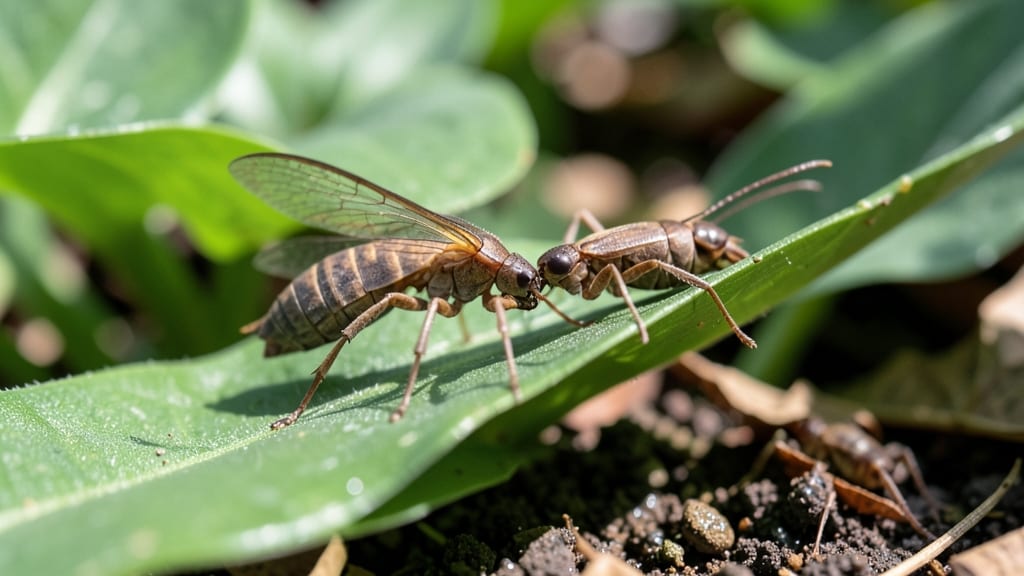
How to deal with earwigs in your garden without chemicals is simpler than you think—no midnight raids or toxic sprays required. 🌱 I’ve battled these armored pests for years—until I discovered simple, humane traps that actually work. No more crushed bugs or harsh sprays; just clever solutions that protect your plants and the critters that keep your soil healthy.
The key is understanding why they’re there: earwigs love damp, dark spots where they can munch on tender leaves and roots. My favorite trap? A rolled-up newspaper with a shallow dish of water underneath—earwigs crawl in, get trapped overnight, and you dispose of them in the morning.
No mess, no harm to pollinators or pets.
By dawn, your garden will feel safer, and you’ll have a system that’s easier than repellent sprays. The best part? These traps work in 30 minutes to set up and cost almost nothing. Plus, they’re perfect for organic gardens or anyone who wants to avoid harsh chemicals.
Whether you’re dealing with a small patch of damage or a full-blown infestation, this method scales—no fancy tools or expert knowledge required. Let’s get those earwigs under control the right way.
Root Causes of Earwig Infestations
Earwigs might seem like tiny, harmless pests, but their presence in your home or garden is rarely accidental. Understanding why they show up—and especially how they thrive—is the first step to stopping them in their tracks.
These nocturnal critters are drawn to specific conditions, and once those needs are met, they’ll stick around (or worse, multiply). Let’s break down the science behind their uninvited visits.
Earwigs are thirsty survivors, and their bodies are perfectly adapted to damp environments. Their exoskeletons retain moisture, and they can survive for weeks without food—but not without water. Here’s why moisture is their #1 attractant:
- High humidity (60%+): Earwigs thrive in humid air because it keeps their delicate bodies hydrated. If your home or garden feels damp—whether from leaky pipes, poor ventilation, or recent rain—they’ll see it as a five-star hotel. 🏨
- Standing water: Puddles, clogged gutters, or even overwatered plants create perfect breeding grounds. Female earwigs lay eggs in moist soil or mulch, and the nymphs (baby earwigs) need constant moisture to grow.
- Condensation: Basements, bathrooms, and crawl spaces with poor airflow trap moisture. Earwigs will crawl into these areas to escape drying out during the day.
Actionable insight: If your space feels damp, earwigs will follow. Fix leaks, use dehumidifiers, and improve ventilation to make your home less appealing.
Earwigs are plant lovers, and they’ll happily munch on almost any organic matter they find. Their diet isn’t picky—it’s opportunistic. Here’s what’s on their menu:
| Food Source | Why It Attracts Earwigs |
|---|---|
| Decaying leaves and mulch | Rich in nutrients and moisture—perfect for hiding and feeding. |
| Fresh garden plants | They chew holes in leaves, flowers, and even young seedlings (especially in veggie gardens). |
| Compost piles | A warm, moist, nutrient-dense smorgasbord. If your compost is too close to your home, earwigs will wander in. |
| Pet food or fallen fruit | Protein and sugars draw them in, especially at night when they’re hunting. |
Actionable insight: Earwigs won’t hesitate to move indoors if outdoor food sources run low. Keep mulch away from your foundation, store compost far from the house, and clean up fallen debris promptly.
Earwigs don’t choose to live indoors—they’re forced in by environmental changes. Here’s how they end up in your home:
- Seeking shelter: During hot, dry days, earwigs hide in cool, dark cracks (window frames, door thresholds, or under siding). If outdoor conditions become unbearable, they’ll crawl inside.
- Following water pipes: Moisture-loving earwigs travel along damp pipes or hoses connected to your home, slipping in through tiny gaps.
- Hitching rides on plants or firewood: If you bring in potted plants, fresh mulch, or stacked firewood from outside, earwigs might be stowing away. 🚚
- Through open doors/windows: At night, they’re drawn to lights (a phenomenon called positive phototaxis) and will fly or crawl indoors if entry points are unsealed.
Actionable insight: Seal gaps around windows, doors, and utility lines with caulk or weather stripping. Store firewood and potted plants away from your home’s exterior.
Earwigs are nocturnal, meaning they’re most active at night for two key reasons:
- Predator avoidance: During the day, birds, spiders, and other predators hunt earwigs. At night, they venture out to feed and forage safely.
- Moisture conservation: Their exoskeletons dry out quickly in sunlight. Staying hidden in damp crevices during the day helps them survive.
This nocturnal habit explains why you rarely see them during daylight—unless they’ve already found a cozy indoor hideout. 🕵️♂️
Actionable insight: Set traps or inspect problem areas at night when earwigs are most active. Use flashlights to spot their entry points or droppings (tiny black specks).
Now that you know what’s luring them in, the next step is cutting off their access—and that’s where humane traps come into play. Stay tuned!
Practical Ways to Outsmart Earwigs
Now that you know why earwigs invade your space, let’s tackle the how—with humane, effective, and easy-to-implement solutions tailored to common triggers.
Whether they’re sneaking in from the garden, hiding in damp corners, or multiplying in your compost, these fixes will help you reclaim your home without harsh chemicals.
Earwigs thrive in damp, dark spaces. If you’ve spotted them near sinks, basements, or potted plants, dry it out—they’ll leave.
How to do it:
- 🔥 Use a dehumidifier in problem areas (like basements or bathrooms) to keep humidity below 50%.
- 🍳 Fix leaky pipes or faucets—standing water is an all-you-can-eat buffet for earwigs.
- 👨🍳 Improve ventilation in crawl spaces or under sinks with fans or vents.
- 🥘 Wipe down surfaces regularly, especially after watering plants or doing laundry.
💡 Pro Tip: Earwigs love mulch and dense garden beds. Spread mulch thinly (no more than 2 inches) and keep it dry to deter them from moving indoors.
Earwigs slip in through tiny gaps—windows, doors, and foundation cracks. A quick seal-and-inspect routine keeps them out.
How to do it:
- 🔪 Caulk cracks around windows, door frames, and utility lines (use silicone caulk for best results).
- ⏰ Install door sweeps on exterior doors to block gaps at the bottom.
- 🌡️ Check window screens for holes and repair them—earwigs can squeeze through 1/16-inch gaps.
- 🎯 Use weather stripping on garage doors and attic vents.
✨ Bonus Move: If earwigs are coming from potted plants, move them indoors overnight or place them in a sink of soapy water before bringing them back outside.
If earwigs are already inside, traps are a chemical-free way to corral and remove them. Here are the best DIY methods:
| Trap Type | How to Set It Up | Where to Place It |
|---|---|---|
| 🥘 Roll-Up Newspaper Trap | Roll damp newspaper into a tube, secure with rubber bands, and place in a bucket of soapy water. | Near entry points, under sinks, or in basements. |
| 🍎 Apple Cider Vinegar Trap | Mix 1 part vinegar + 1 part water in a shallow dish. Earwigs drown in it. | Along baseboards, under furniture, or near damp areas. |
| 🌡️ Beer Trap (Yes, Really!) | Leave a small dish of beer (or sweet liquid) overnight—earwigs are attracted to it. | Outside near foundation or in garden beds. |
| 🕷️ Sticky Traps (Last Resort) | Place non-toxic sticky traps in high-traffic earwig zones (check daily). | Under furniture, in corners, or along walls. |
💡 Pro Tip: Check traps daily—earwigs are notoriously fast and will escape if left too long. Release them outside at least 30 feet from your home to prevent re-entry.
The best defense? Make your yard less inviting so earwigs never think of moving in.
How to do it:
- 🌿 Reduce yard moisture by fixing sprinkler leaks and avoiding overwatering lawns.
- 🍳 Remove leaf litter and debris—earwigs love hiding under piles of leaves or wood.
- 👨🍳 Use diatomaceous earth (food-grade) lightly around the foundation (reapply after rain).
- 🥘 Plant earwig-repelling herbs like mint, lavender, or basil near entry points.
✨ Bonus Hack: Crushed eggshells around plants can deter earwigs—they dislike the texture!
- ❌ Don’t use pesticides indoors—earwigs will just scatter, and chemicals can harm pets/kids.
- ❌ Avoid flooding traps—earwigs will escape if the water evaporates too quickly.
- ❌ Don’t ignore outdoor moisture—if your yard stays wet, they’ll keep coming back.
Final Thought: Earwigs are easy to outsmart—just dry it out, block their path, and trap them humanely. With these steps, you’ll significantly reduce (or even eliminate) them in under a week! 🚀
Frequently asked questions
Are earwigs dangerous or harmful to humans?
Earwigs are completely harmless to humans—they don’t bite, sting, or spread diseases. Their pinchers are too small to break skin, but they might pinch if you handle them roughly. The real concern is their damage to plants and gardens, not personal safety.
Why do I keep finding earwigs in my house at night?
Earwigs are nocturnal and seek shelter during the day, especially in damp, dark spaces. At night, they wander in search of food or moisture. If you’re seeing them indoors, check for leaks, poor ventilation, or outdoor food sources (like mulch piles) that might be drawing them inside.
How long does it take for earwig traps to work?
Most DIY traps (like newspaper rolls or vinegar dishes) start catching earwigs within 24 hours. For a noticeable reduction, give it 3-5 days of consistent trapping. Combine traps with moisture control for faster results—earwigs will leave if their preferred conditions disappear.
Can earwigs survive winter indoors?
Earwigs can’t survive long indoors during winter because they need moisture and cool temperatures. If your home stays dry and warm, they’ll likely leave within 1-2 weeks. Focus on reducing humidity and sealing entry points to encourage them to seek warmer outdoor conditions.
What’s the best way to prevent earwigs from coming back?
Combine these three strategies: 1) Keep humidity below 50% with dehumidifiers, 2) Seal cracks and gaps around windows/doors, and 3) Remove outdoor moisture sources (like standing water or thick mulch). Regularly check traps and inspect problem areas to catch new arrivals early.