
Propagation
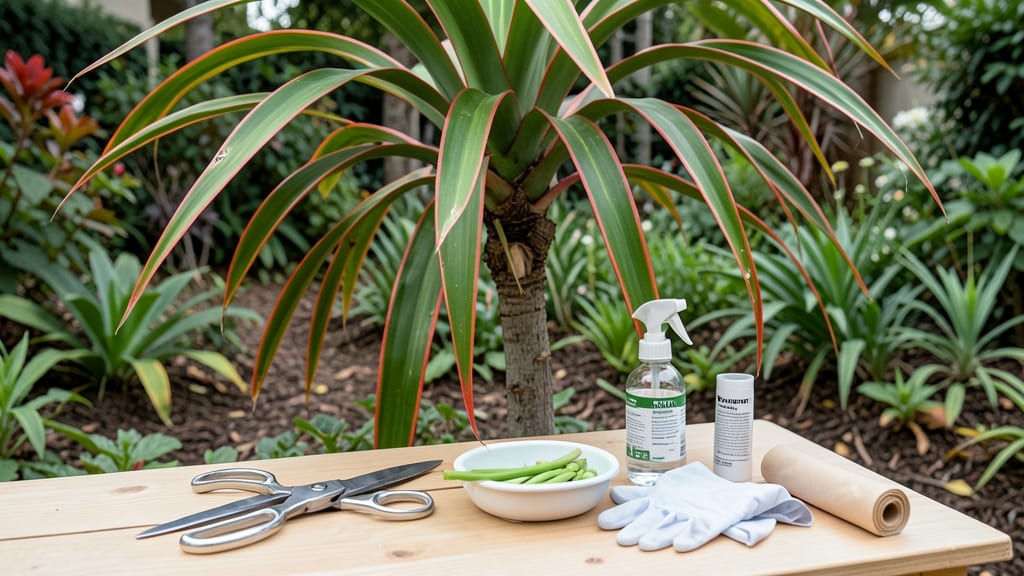
Cutting back your Dracaena marginata transforms leggy stems into a bushier, more vibrant plant. ✂️ I’ve pruned mine every spring for years, and the difference in growth is shocking—new shoots emerge within weeks, and the plant looks fuller instantly.
The key is timing and technique: prune in spring or early summer when the plant is actively growing, and always cut just above a leaf node. Use clean, sharp pruners to avoid tearing the stems, and never remove more than one-third of the plant at once.
After cutting, watch for new growth within 4-6 weeks—those little buds will become lush, arching branches. The plant handles pruning well, but avoid overdoing it, or you’ll stress the roots and slow down recovery.
This method works for any size Dracaena marginata, from small houseplants to towering floor specimens. Here’s how to do it right without causing damage.
📚 In This Guide
- What you need
- Instructions
- Tips and common mistakes
- Wrapping up and next steps
What you need
- ● Pruning shears or sharp bypass pruners – Choose sterilized, high-quality shears with a 4- to 6-inch blade for clean cuts.
- ● Rubbing alcohol (70% or higher) or hydrogen peroxide (3%) – For sterilizing tools to prevent disease.
- ● Cutting board or tray – A stable, flat surface (preferably plastic or wood) to place cuttings and prevent mess.
- ○ Rooting hormone (optional but recommended) – A gel or powder to boost root growth in propagated cuttings.
- ● Well-draining potting mix – A blend of peat moss, perlite, and sand (50/30/20 ratio) for new plantings.
- ● Small pots or propagation trays – 3- to 4-inch diameter containers with drainage holes for cuttings.
- ● Spray bottle with water – For lightly misting cuttings to maintain humidity.
- ● Plastic wrap or humidity dome – Creates a mini greenhouse for faster rooting.
- ● Charcoal granules – Adds to soil to prevent fungal growth.
- ● Garden twine or plant ties – Secures cuttings if staking is needed.
- ● Disinfectant wipes – For cleaning hands and surfaces before/after cutting.
Step-by-step guide to pruning Dracaena Marginata
Revitalize your dragon tree with precise cuts that encourage lush regrowth.
✂️ Step 1: Identify the Right Cuts for Your Plant
Examine your Dracaena Marginata for brown, yellow, or overgrown stems—these are your targets. I always focus on stems that are at least 6 inches tall with visible damage or those that have outgrown their space. Healthy stems should have firm, green leaves with no mushy spots. If you're unsure, check the base of the stem: any soft or discolored areas indicate rot and should be removed immediately.
Never cut into healthy growth. Look for natural nodes where leaves emerge—these are your pruning points. Cutting just above a node gives your plant the best chance to sprout new shoots. I like to make a mental note of where these nodes are before grabbing my shears, so I don't accidentally cut too high or too low.
✂️ Step 2: Sterilize Tools and Make Clean Cuts
Before you touch your plant, wipe your pruning shears with rubbing alcohol to prevent spreading disease. I keep a small bottle of 70% isopropyl alcohol in my gardening caddy just for this purpose. Clean tools mean cleaner cuts, which heal faster and reduce the risk of infection. Once your shears are ready, position them at a 45-degree angle just above a leaf node, about ¼ inch above it.
Make one swift, confident cut—don't saw back and forth. A clean cut prevents tearing, which can leave jagged edges that take longer to heal. If you're using a knife instead of shears, hold it firmly and cut with a single motion. After cutting, inspect the stem for any rough edges. If you see any fraying, use a clean tissue to gently smooth it out.
💧 Step 3: Care for the Plant Immediately After Pruning
After cutting, place your Dracaena Marginata in a spot with bright, indirect light for the next 2-3 days. Avoid direct sunlight, which can stress the plant while it recovers. I usually move mine to a shaded area near a window where it still gets plenty of light but isn't exposed to harsh rays. During this time, keep the soil slightly moist—water only when the top 1-2 inches feel dry to the touch.
Watch for new growth emerging from the nodes where you cut. Within 4-6 weeks, you should see fresh shoots pushing through the leaves. If you don't see any signs of new growth after 8 weeks, check the soil moisture and light conditions. Sometimes, a little extra patience and adjustment is all it takes. Avoid fertilizing during this recovery period—your plant needs to focus on healing, not growing.
🌱 Step 4: Propagate Cuttings (Optional)
If you've removed healthy stems, you can propagate them to grow new plants. Place the cuttings in a jar of water, ensuring the node is submerged but the leaves stay dry. Change the water every 3-5 days to prevent bacterial growth. Roots should appear within 2-4 weeks, depending on the temperature and humidity of your space. I keep my jars in a warm, bright spot but out of direct sunlight.
Once roots are 2-3 inches long, transplant the cuttings into small pots with well-draining soil. Keep the soil lightly moist and place the pots in a warm, humid environment to encourage growth. This is where your new Dracaena Marginata babies will start their journey. Real talk: propagation can be hit-or-miss, but it's worth the effort if you end up with a few extra plants to share or enjoy.
☀️ Step 5: Resume Normal Care and Monitor Growth
After the initial recovery period, return your pruned Dracaena Marginata to its usual care routine. This includes watering when the top 2 inches of soil are dry, providing bright, indirect light, and maintaining humidity levels between 40-50%. I find that misting the leaves occasionally helps, especially in dry climates. Keep an eye out for new leaves emerging from the nodes—this is your sign that the pruning was successful.
If your plant starts to look leggy or sparse after pruning, it might need a little extra light. Rotate the pot a quarter turn weekly to ensure even growth. Over time, your Dracaena Marginata will fill out beautifully, with thicker stems and fuller foliage. The key is consistency—stick to the care routine, and your plant will thrive. You'll know you've done it right when you see those new shoots reaching for the light.
Tips & tricks for perfect Dracaena Marginata pruning
Confession: I skipped the sterilization step for years and wondered why my dragon tree always seemed sluggish after pruning. These simple tricks will help you avoid common pitfalls and get the healthiest regrowth possible.
Tool Prep is Non-Negotiable: Beyond just wiping your shears with rubbing alcohol, I've learned to also disinfect the cutting surface where your plant will sit. Use a 10% bleach solution (1 part bleach to 9 parts water) to wipe down the area after pruning. This prevents any potential pathogens from transferring to your plant's fresh cuts. I keep a small spray bottle of this solution in my gardening kit for quick cleanups.
Node Identification Hack: When examining stems for pruning, I use a small flashlight to shine through the leaves at a slight angle. This creates a silhouette effect that makes the nodes (where leaves attach) stand out more clearly against the stem. This visual trick helps me spot the perfect cutting points even in dense foliage. Remember, cutting just above a node at a 45-degree angle gives your plant the best chance for new growth.
Post-Pruning Light Strategy: During those critical 2-3 days of recovery after pruning, I've found that placing a sheer curtain over the plant provides the perfect bright, indirect light. This prevents the harsh rays from stressing the plant while still allowing enough light for photosynthesis. If you don't have a sheer curtain, a white bedsheet works too—just make sure it's not too close to the leaves to avoid moisture buildup.
Propagation Success Secret: For the water propagation method, I've discovered that adding a single aspirin (crushed) to the water every time you change it boosts root growth. The salicylic acid in aspirin helps stimulate cell division. I also like to use clear jars so I can monitor root development daily—it's incredibly satisfying watching those roots grow! Just remember to keep the node submerged but the leaves dry to prevent rot.
Pro Tips for Cut Dracaena Marginata
- Confession: I skipped the sterilization step for years and wondered why my dragon tree always seemed sluggish after pruning.
- Tool Prep is Non-Negotiable: Beyond just wiping your shears with rubbing alcohol, I've learned to also disinfect the cutting surface where your plant will sit.
- Node Identification Hack: When examining stems for pruning, I use a small flashlight to shine through the leaves at a slight angle.
Frequently asked questions
Got questions about cutting your Dracaena marginata? You're not alone!
Here are some of the most common concerns—plus straightforward answers to keep your dragon tree thriving.
When is the best time to prune my Dracaena marginata?
The ideal time is spring or early summer when the plant is actively growing. Avoid heavy pruning in winter, as the plant enters dormancy. Light trimming to remove dead leaves is fine year-round, but major cuts should wait for warmer months when recovery is faster.
Can I propagate my Dracaena marginata from cuttings?
After cutting, place the 4–6 inch stem in water or moist potting mix. Roots typically form in 2–4 weeks if kept in bright, indirect light and warm conditions (70–75°F). Just avoid overwatering—root rot is a common pitfall!
What should I do if my cut stump oozes sap or looks mushy?
This is normal for a few hours after cutting, but if the stump stays soft or discolored beyond 24 hours, it may indicate infection. Dust the cut with cinnamon powder or activated charcoal to prevent bacteria, then monitor closely. If rot spreads, trim further above the affected area.
How do I encourage bushier growth after pruning?
To promote branching, cut just above a leaf node (where leaves meet the stem). Avoid cutting too close to the base—this can stress the plant. After pruning, place the plant in bright, indirect light and keep soil consistently moist (but not soggy) to support new shoots.
Can I reuse the soil from my Dracaena marginata after propagation?
Not recommended! Old soil may harbor pathogens or pests that could harm new cuttings. Instead, use fresh, well-draining potting mix (like a blend of peat, perlite, and sand) to give your propagated plants the best start. Sterilizing soil with heat or hydrogen peroxide is a bonus for extra safety.
Wrapping up and next steps
Cutting your Dracaena marginata doesn’t have to be intimidating—with the right tools, technique, and care, you’ll encourage vibrant new growth and keep your dragon tree thriving! 🌱 Remember, clean cuts, proper sterilization, and patience are your best friends.
Whether you’re pruning for shape, propagating, or reviving leggy stems, each snip is a step toward a healthier plant.
Ready to give it a try? Start with just one branch or leaf cutting, follow the steps, and watch your confidence—and your plant’s growth—soar. Happy pruning! ✂️💚