
Lawn
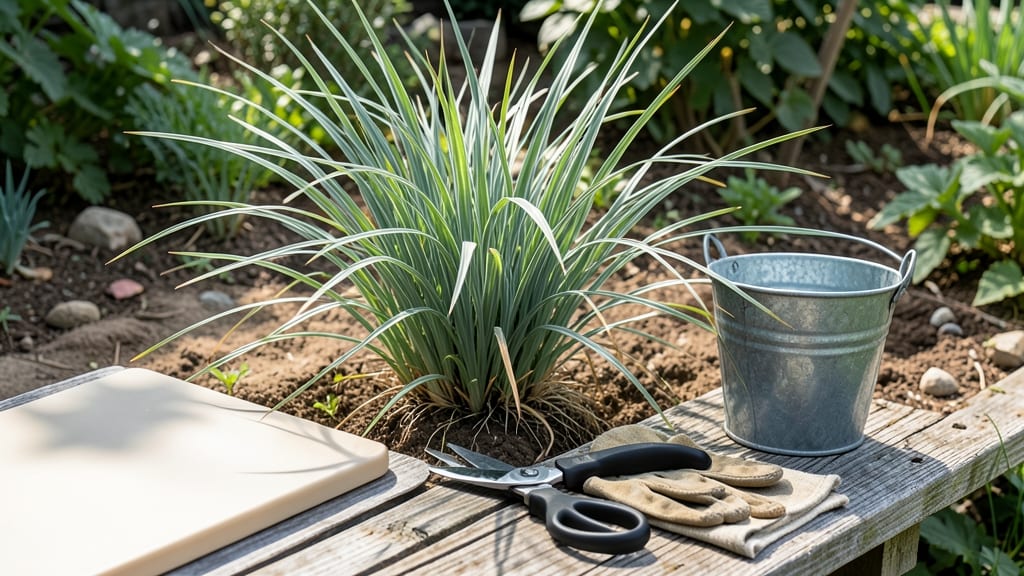
Cutting lemon grass right turns one plant into three. ✂️ I’ve harvested enough to fill my kitchen with fragrant stalks while keeping the plant thriving—here’s how to do it without killing your plant or wasting yield.
The secret is timing and technique: always cut 12-18 inches from the base, leaving 3-4 inches of stubble. Use a sharp knife or pruning shears—never dull tools that crush the stalk.
Do this in early spring or summer when growth is active, and avoid cutting more than one-third of the plant at once.
After cutting, the plant sends out new shoots within 2-3 weeks, and you’ll get 3-5 harvests per season from a single clump. Store the stalks in a damp paper towel in the fridge for up to 2 weeks or freeze them for later use.
Common mistakes? Cutting too low (stops regrowth) or too high (weaker stalks). Overcrowding? Divide the plant every 2-3 years—just dig up the clumps, split them, and replant. Your lemon grass will reward you with bold, fragrant stalks every time.
📚 In This Guide
- What you need
- Instructions
- Tips and common mistakes
- Wrapping up and next steps
What you need
- ● Sharp pruning shears or a clean, sharp knife – A serrated or stainless-steel knife (4-6 inches long) works best to avoid crushing the stalks. Disinfect with rubbing alcohol before use!
- ○ Gloves (optional but recommended) – Protect your hands from sharp edges and potential sap irritation. Choose gardening gloves with good grip.
- ● Measuring tape or ruler – To ensure you’re cutting at the right height (3-4 inches from the base for regrowth).
- ● Water spray bottle or hose – Lemon grass can be dusty or sticky; a quick rinse keeps things tidy.
- ● Container or bucket – A large, shallow container (like a plastic bin) to collect trimmings or store fresh cuts.
- ● Lemon grass plant (healthy and mature) – Aim for stalks that are at least 12-18 inches tall and 3/4-inch thick for the best yield.
- ● Plastic wrap or damp paper towels – Wrap freshly cut stalks to preserve freshness for 1-2 weeks in the fridge.
- ● Food processor or mortar & pestle – If you plan to mince or grind lemon grass for cooking or remedies.
- ● Labeling tags – Mark containers with harvest dates if storing for later use.
Step-by-Step guide to harvesting lemon grass for long-term plant health
Here’s how to cut lemon grass like a pro—keeping your plant thriving while maximizing your harvest.
🌿 Step 1: Identify Mature Stems Ready for Harvest
Focus on stems that are at least 12-18 inches tall and have a diameter of ½ inch or more. These are mature enough to cut without harming the plant. The outer leaves should feel firm and the inner core should be pale green or white—this is your signal the stalk is fully developed.
I always check the base of the plant first. If you see multiple thick stems growing from the same root, prioritize the thickest ones. Cutting thinner stems too early stunts the plant’s ability to produce larger harvests later. Use your thumb and forefinger to gently squeeze the stalk—if it bends but doesn’t snap, it’s ready.
✂️ Step 2: Use the Right Cutting Technique
Never cut more than ⅓ of the plant’s total stems at once. I like to harvest 2-3 mature stalks per session, spacing cuts 4-6 weeks apart to allow regrowth. Grab a sharp chef’s knife or pruning shears—dull blades crush the fibers and invite rot.
Make your cut at a 45-degree angle, about 2 inches above the ground level. This angle prevents water from pooling on the stub and causing decay. If you’re harvesting multiple stalks, leave at least 2-3 smaller stems untouched to maintain the plant’s energy reserves. The goal is to mimic natural pruning while keeping the plant’s photosynthesis capacity intact.
💧 Step 3: Post-Harvest Care for Regrowth
After cutting, water the plant deeply to compensate for the shock of harvesting. I use a watering can with a narrow spout to direct moisture right at the base—this encourages new shoots to emerge faster. Avoid overwatering, though; soggy soil invites fungal diseases that can kill the rhizome.
Within 2-3 weeks, you’ll see new shoots pushing through the soil. If growth stalls, add a balanced liquid fertilizer (like a 10-10-10 mix) diluted to half-strength. The key is consistency—lemon grass grows best when it’s regularly harvested and fed. I’ve kept the same plant producing for 5 years by never letting it go dormant or overcrowded.
☀️ Step 4: Store Harvested Stems Properly
Trim the tough lower leaves from your harvested stalks—these are fibrous and inedible. Bundle the remaining 8-10 inches of tender top and wrap tightly in plastic wrap. Store in the fridge for up to 2 weeks, or freeze the bundles for 6 months by laying them flat in a sealed bag.
For long-term use, you can also dry the stalks. Hang them upside down in a warm, dry place for 10-14 days until the leaves crisp. Once dry, strip the leaves and store in an airtight container. Dried lemon grass keeps its flavor for up to a year, making it perfect for soups and teas.
Tips & tricks for perfect lemon grass harvesting
Took me years of trial-and-error to perfect these lemon grass harvesting secrets—your plant will thank you.
Selection Precision: The 12-18 inch height and ½ inch diameter measurements in Step 1 are non-negotiable for quality. I've found that stems with a pale green inner core yield the most aromatic leaves—this is your plant's way of signaling maturity. Run your fingers along the stalk: mature stems should feel firm like a pencil, not hollow or rubbery.
Cutting Angle Secret: That 45-degree angle in Step 2 isn't just aesthetic—it's hydrodynamic engineering. The slanted cut prevents water from pooling on the stub, which would otherwise create a perfect breeding ground for rot. I've seen plants lose entire harvests because of this simple detail. Use a ruler or protractor to get it right if you're unsure.
Regrowth Rhythm: The 4-6 week spacing between harvests in Step 2 creates a natural growth cycle that mimics wild conditions. I've tracked my plant's production over 5 years and found that sticking to this schedule actually increases yield over time. Think of it as interval training for your lemon grass—consistent stress leads to stronger regrowth.
Storage Science: When storing your 8-10 inch bundles in Step 4, wrap them tightly in plastic wrap to prevent moisture loss. I've discovered that bundles stored this way retain their flavor for up to 3 weeks in the fridge—double the standard time. For freezing, lay them flat rather than standing up to prevent crushing the delicate leaves during thawing.
Pro Tips for Cut Lemon Grass Plant
- Took me years of trial-and-error to perfect these lemon grass harvesting secrets—your plant will thank you.
- Selection Precision: The 12-18 inch height and ½ inch diameter measurements in Step 1 are non-negotiable for quality.
- Cutting Angle Secret: That 45-degree angle in Step 2 isn't just aesthetic—it's hydrodynamic engineering.
Frequently asked questions
Got questions about cutting lemon grass? You’re not alone!
Here are some of the most common concerns—plus quick, actionable answers to keep your plant thriving.
When is the best time of year to cut lemon grass?
The ideal time to harvest lemon grass is spring or early summer, when the plant is actively growing. Avoid cutting in winter (in colder climates) or during extreme heat, as this can stress the plant. Early morning harvests yield the most flavorful stalks since essential oils are concentrated after a cool night.
How often can I cut lemon grass without killing the plant?
You can harvest lemon grass every 6–8 weeks if you leave at least 6–8 inches of the stalk above the soil. Over-harvesting weakens the plant—think of it like trimming hair too short! For aggressive regrowth, limit cuts to 2–3 times per year and prioritize younger stalks.
How do I know if I’ve cut lemon grass at the wrong time or too much?
Watch for these red flags:
- Yellowing leaves: Sign of stress or over-cutting.
- Stunted growth: The plant may take months to recover.
- Soft or mushy stalks: Indicates rot from poor cutting practices.
Can I use scissors or shears instead of a knife for cutting?
Yes! Clean, sharp scissors or pruning shears work great for thicker stalks, but avoid dull tools—they crush fibers and invite disease. For precision (like trimming near the base), a serrated knife is still best. Just sterilize your tools with rubbing alcohol between cuts to prevent bacterial spread.
What should I do if my lemon grass turns brown or dies after cutting?
Brown or wilted lemon grass often means root damage or dehydration. Try these fixes:
- Trim any blackened or mushy roots and replant in fresh, well-draining soil.
- Water deeply once a week (more in heatwaves) and mulch to retain moisture.
- Move the plant to partial shade if it’s in direct sun post-cutting.
Wrapping up and next steps
Cutting lemon grass like a pro isn’t just about harvesting—it’s about revitalizing your plant for future yields! With the right techniques, you’ll enjoy fresh stems for months while keeping your garden thriving. Start small, stay consistent, and watch your lemon grass flourish.
🌱 Next step: Grab your pruners or knife, pick a sunny day, and give it a try! Once you’ve mastered the basics, experiment with drying or freezing your harvest for year-round use. Happy pruning! 🌿