
Container Gardens
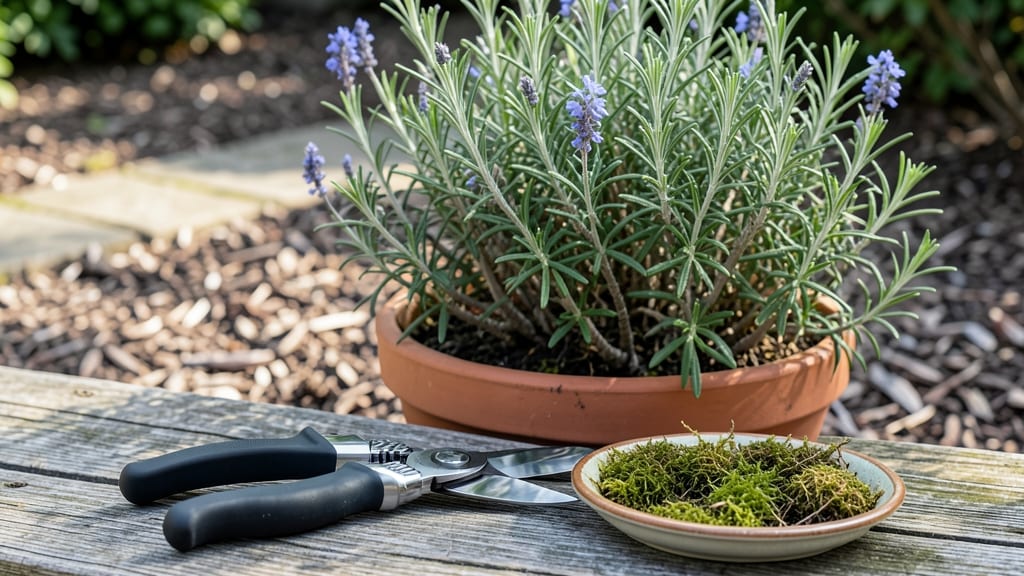
How to cut rosemary so it keeps growing—the difference between a woody stick and a lush, bushy plant is just three strategic cuts. ✂️ I’ve turned my overgrown rosemary into a thriving, fragrant bush by mastering when and where to prune, encouraging new growth instead of stunting it.
The secret lies in when and where you cut: early spring and late summer are prime times, always snipping just above a leaf node (that little bump where new branches can sprout).
Use sharp pruners or scissors—never tear the stems, or you’ll invite disease. Start with the oldest, leggiest growth first; those are the plants begging for a haircut.
Within 4-6 weeks, you’ll see plump new shoots pushing out where you cut, and the plant will fill in with fresh, fragrant stems.
The key is consistency—prune lightly every 4-6 weeks during growing season, and you’ll end up with a rosemary bush so dense, you’ll forget it’s the same plant you once gave up on.
Even if you’ve killed rosemary before, this method works—foolproof, really. The worst that can happen is you trim a little too much, and the plant bounces back stronger. Let’s get those shears out and bring your rosemary back to life.
📚 In This Guide
- What you need
- Instructions
- Tips and common mistakes
- Wrapping up and next steps
What you need
- ● Sharp pruning shears or scissors – Clean, sterilized, and sharp (avoid dull tools that crush stems). A bypass pruner is ideal for clean cuts.
- ○ Hand pruners (optional but helpful) – For smaller trims or hard-to-reach spots.
- ● Rubbing alcohol (70% or higher) – 1 small bottle to sterilize tools before and after pruning.
- ● Gloves (gardening or cut-resistant) – Protects hands from prickly stems and dirt.
- ● Water spray bottle – 8–16 oz to mist fresh cuts and encourage healing.
- ● Compost bin or bag – For clippings (rosemary trimmings make great compost!).
- ● Horticultural oil or copper fungicide – Prevents disease if your rosemary is prone to issues.
- ● Plant food (balanced fertilizer, 10-10-10 or organic) – 1 small container to give your rosemary a post-prune boost.
- ● Label or marker – If propagating cuttings, label them to track growth.
- ● Small container with soil – If you plan to propagate new plants from cuttings.
Step-by-Step instructions for pruning rosemary to encourage growth
Here's the method I use to keep rosemary lush and productive—no guesswork, just proven cuts.
✂️ Step 1: Identify the Right Time to Prune
Spring is the best time to prune rosemary, right after new growth appears but before summer heat sets in. You'll see fresh, vibrant shoots emerging from the base—this is your signal. Avoid pruning in late summer or fall, as new growth won't have time to harden off before winter. If you must prune in winter, do it lightly to avoid damaging tender new buds.
Check for at least 3-4 inches of new growth before cutting. This ensures the plant has stored enough energy to regenerate. If your rosemary is woody or leggy, you can prune lightly in early spring and again in early summer, but never cut back more than one-third of the plant at a time.
✂️ Step 2: Use the Right Tools and Technique
Grab your clean, sharp pruning shears—dull blades tear stems and invite disease. Make cuts just above a leaf node (the point where leaves meet the stem) at a 45-degree angle. This encourages water to run off the cut and prevents rot. Never leave stubs—always cut close to the node to promote bushier growth.
Focus on cutting back the longest stems first. These are often the oldest growth and can become woody. Aim to shape the plant into a rounded form rather than letting it grow tall and sparse. You'll notice new side shoots forming within 2-3 weeks of proper pruning—that's your reward for cutting at the right spots.
☀️ Step 3: Prune for Shape and Airflow
Step back and look at your rosemary like a sculptor. You want to create an open, airy shape that lets sunlight reach the center. Cut back any stems that are rubbing against each other or growing inward—they'll compete for light and weaken the plant. Remove any dead, yellowed, or crossing branches first; these are the easiest cuts and make the biggest difference.
For a bushier plant, trim the tips of the main stems to encourage branching. You'll see new shoots forming at the leaf nodes below your cuts. Avoid shearing the entire plant uniformly—this creates a dense, woody center with no airflow. Instead, focus on thinning out congested areas and shaping the outer edges.
💧 Step 4: Water and Care After Pruning
Water your rosemary deeply right after pruning to help it recover. The plant will need moisture to support new growth, but don't overdo it—rosemary hates soggy roots. Let the soil dry out between waterings, especially in containers. You'll know it's time to water again when the top 1-2 inches of soil feel dry to the touch.
After pruning, place your rosemary in a spot with full sun (6+ hours daily). New growth needs plenty of light to stay strong and aromatic. If you notice the leaves turning pale or the stems stretching, your plant needs more sunlight. Fertilize lightly with a balanced, water-soluble fertilizer after 4-6 weeks to support regrowth.
⏰ Step 5: Monitor and Repeat Seasonally
Check your rosemary every 2-3 weeks during the growing season for new growth. If you see leggy stems or sparse foliage, it's time for another light pruning. The key is consistency—rosemary responds best to regular, gentle pruning rather than one heavy cut. You'll see the most dramatic results if you prune 2-3 times per year.
In late fall, give your rosemary a final light trim to remove any dead or damaged growth before winter. This helps the plant focus its energy on surviving the colder months. With proper pruning, your rosemary will stay bushy, fragrant, and productive for years.
Tips & tricks for pruning rosemary for bushier growth
These little tricks make all the difference between a leggy, woody rosemary and a lush, fragrant bush that keeps producing for years.
Timing Secret: The 3-4 inches of new growth rule in Step 1 is your best friend—this ensures the plant has enough energy to bounce back. I always check for fresh, vibrant shoots at the base before cutting. If you prune too early, you'll stunt growth; too late, and you miss the window for summer hardening. Spring is non-negotiable for serious regrowth.
Tool Technique: Your pruning shears need to be sharper than your focus. Dull blades crush stems instead of cutting cleanly, which invites disease. I sterilize mine with rubbing alcohol between cuts on different plants. That 45-degree angle isn't just for looks—it helps water run off the cut, preventing rot that can kill your plant's recovery.
Shape Strategy: Think of your rosemary like a topiary—open in the center, rounded on the outside. When you see stems rubbing together in Step 3, those are your first cuts. The goal is sunlight reaching all parts of the plant. I always remove the longest stems first because they're often the oldest growth, which can become woody and unproductive.
Recovery Hack: That deep watering right after pruning isn't just about hydration—it's about giving your plant a drink of confidence. But here's the kicker: I always check soil moisture by sticking my finger 1-2 inches deep. If it's still damp, I wait. Overwatering after pruning is how you turn a fresh cut into a sad, mushy mess.
Pro Tips for Cut Rosemary So It Keeps Growing
- These little tricks make all the difference between a leggy, woody rosemary and a lush, fragrant bush that keeps producing for years.
- Timing Secret: The 3-4 inches of new growth rule in Step 1 is your best friend—this ensures the plant has enough energy to bounce back.
- Tool Technique: Your pruning shears need to be sharper than your focus.
Frequently asked questions
about cutting rosemary to encourage growth—because even the best gardeners need a little clarity! Here are answers to the most common questions, so you can prune with confidence.When is the best time of year to prune rosemary for growth?
Prune rosemary after it flowers (late spring or early summer) to encourage new growth. Avoid heavy cuts in late fall or winter, as the plant is dormant. Light trims to shape it can happen anytime, but major pruning should wait for warmer months.
How much can I cut off rosemary without harming it?
Never remove more than one-third of the plant at once. For woody stems, cut just above a leaf node (the bump where leaves grow). For bushier growth, trim back new growth by about ⅓. Over-pruning can stress the plant, so take it slow!
What if my rosemary turns brown or crispy after pruning?
Brown or crispy tips often mean over-pruning or underwatering. If it’s dry, water deeply and trim only lightly next time. If the damage is severe, prune back to healthy green growth. Rosemary is drought-tolerant but still needs occasional hydration—especially after cuts!
Can I propagate rosemary from cuttings? If so, how?
Take 4-6 inch cuttings from healthy stems, strip the lower leaves, and dip in rooting hormone (optional). Plant in well-draining soil, keep moist (not soggy), and place in bright, indirect light. Roots should form in 2-4 weeks!
What’s the difference between pruning for flavor vs. pruning for bushiness?
For flavor, trim just before flowering—younger leaves are more aromatic. For bushiness, prune after flowering to encourage dense, leafy growth. If you want both, do light trims year-round but save major pruning for spring/summer.
Wrapping up and next steps
Cutting rosemary the right way doesn’t just keep it thriving—it turns your plant into a lush, fragrant powerhouse! 🌿 By focusing on new growth, proper timing, and clean cuts, you’ll encourage bushier stems and a longer harvest season.
Remember, a little pruning goes a long way, so don’t hesitate to get your shears out and give your rosemary the TLC it deserves.
Now that you’re ready to prune like a pro, why not share your tips with fellow gardeners or try growing rosemary from cuttings? Your green thumb could inspire someone else’s next gardening adventure!