
Propagation
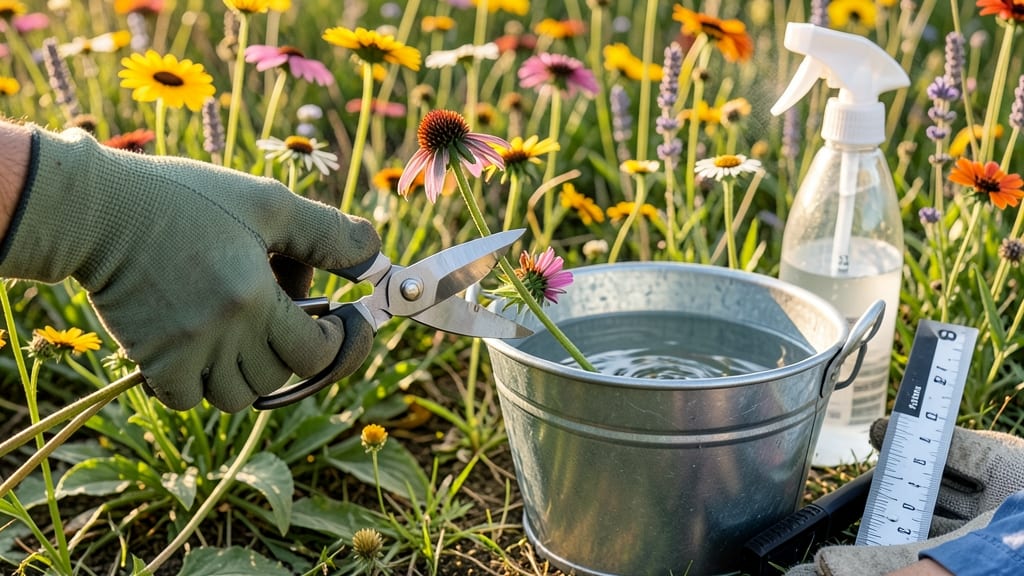
The right cut makes all the difference—wildflowers stay fresh for days when you cut them correctly. ✨ I’ve spent years experimenting with angles, timing, and tools to keep bouquets vibrant long after the harvest, and the secrets are simpler than you’d think.
Start with sharp pruners or clean scissors—dull blades crush stems, shortening vase life. Cut at a 45-degree angle just above a leaf node (where leaves meet the stem) to maximize water uptake. Early morning is ideal: flowers are hydrated, and stems are firm, not wilted from heat.
For bouquets, snip stems at 6-8 inches and immediately submerge them in cool water. If harvesting seeds, wait until pods turn brown and split open naturally—never cut them early. The key to regrowth? Cut no more than one-third of the plant at once, and always leave some foliage behind.
This method works for meadows, roadside patches, or your own wildflower garden. The same principles apply whether you’re making arrangements or propagating new plants—just adjust your timing and tools.
📚 In This Guide
- What you need
- Instructions
- Tips and common mistakes
- Wrapping up and next steps
What you need
- ● Sharp pruning shears or floral scissors: Choose bypass-style shears (not anvil-type) to avoid crushing stems. A 10-12 inch blade is ideal for wildflowers.
- ● Clean, sharp knife or razor blade: For delicate stems (e.g., baby’s breath or Queen Anne’s lace). A X-Acto knife or utility knife works well.
- ● Bucket or vase: A 5-gallon bucket (for cutting in the field) or a large, clean vase (for immediate arranging). Use lukewarm water to prevent stem shock.
- ● Waterproof gloves: Protect your hands from thorns (e.g., rose or blackberry bushes) and prickly plants (e.g., thistles or teasels). Opt for nitrile or latex gloves with tactile grip.
- ● Wildflowers in peak bloom: Harvest flowers when 20-50% of blooms are open (varies by species). Avoid overly mature or bud-only flowers.
- ○ Floral preservative (optional but recommended): Use 1 tsp per quart of water (e.g., Floralife or homemade mix with sugar + bleach—see tips below).
- ● Newspaper or cardboard: Line your bucket/vase to prevent stems from bruising during transport.
- ● Hydrated flower food sticks: Insert into stems post-cutting for extended vase life.
- ● Field guide or plant ID app: Ensure you’re harvesting non-invasive, non-toxic wildflowers (e.g., avoid milkweed if protecting monarchs).
- ● Spray bottle with water: Lightly mist delicate blooms to revive wilting flowers during transport.
- ● Portable stool or kneeler: For low-growing wildflowers (e.g., bluebonnets or poppies).
Tips & tricks for perfect wildflower bouquets
These little details make all the difference between bouquets that last a week and ones that wilt by noon.
Tool Selection: Don't settle for basic scissors—your pruners or horticultural knife should be razor-sharp. I test mine on a piece of cardboard before cutting flowers; if it tears instead of slices cleanly, it's time to sharpen. Dull blades crush stems, sealing off water pathways and dooming your bouquet to early wilting.
Angle Precision: That 45-degree angle in Step 2 isn't just arbitrary—it's science. Use a protractor or even your hand as a guide (hold your palm at a 45-degree angle to the stem). The wider surface area lets stems drink up water like a straw. Pro tip: Practice on a few stems first to get the feel before committing to your full bouquet.
Hydration Hack: For the 1-2 hour conditioning step, I add a few drops of clear dish soap to the water. It's not about cleaning—it reduces surface tension so stems can absorb water more efficiently. The stems should stand straight up like soldiers after this time; if any float or bend, trim them off immediately as they're not drinking properly.
Storage Wisdom: That 48-hour fridge storage window is your secret weapon for weekend arrangements. Place a damp paper towel in the bag with your flowers to maintain humidity. I've even prepped bouquets on Thursday for Saturday weddings—just recut stems and refresh water before arranging, and they'll look fresh as ever.
Pro Tips for Cut Wildflowers
- These little details make all the difference between bouquets that last a week and ones that wilt by noon.
- Tool Selection: Don't settle for basic scissors—your pruners or horticultural knife should be razor-sharp.
- Angle Precision: That 45-degree angle in Step 2 isn't just arbitrary—it's science.
Frequently asked questions
Got questions about cutting wildflowers for the perfect bouquet? You’re not alone! Here are some of the most common queries—and their straightforward answers—to help you master the craft with confidence.
When is the best time of day to cut wildflowers for longevity?
The golden hours are early morning (just after dew dries) or late evening. Flowers cut at these times hold moisture longer, reducing wilting. Avoid midday heat, which stresses stems and shortens vase life. Pro tip: Harvest when buds are just opening—fully bloomed flowers wilt faster!
Do I need special shears, or will regular scissors work?
While sharp pruners or floral shears are ideal, clean regular scissors or even a knife will work in a pinch. The key is a clean, diagonal cut (45° angle) to maximize water absorption. Just sterilize your tools with rubbing alcohol first to prevent bacterial growth in the stems.
What if my wildflowers wilt before I can arrange them?
Wilting is often due to air bubbles or dehydration. Trim stems underwater, then place them in lukewarm water with a flower food packet (or a splash of bleach + sugar). For tough stems (like thistles), score the bottom lightly to help hydration. Avoid overcrowding the vase—give stems space to drink!
Can I cut wildflowers from my neighbor’s yard or public land?
Always check local regulations—many areas prohibit picking wildflowers to protect ecosystems. If harvesting on private land, ask permission first. For public spaces, opt for roadside pull-offs or designated "weed" areas (like goldenrod or dandelions). Leave at least 1/3 of the plant to regrow and support pollinators!
How do I handle rain or humidity before cutting?
Rain can weaken stems and spread disease. If flowers are damp, let them dry for 1–2 hours in shade before cutting. For humidity, trim stems longer (6–12 inches) to compensate for faster water loss. Store bouquets in a cool, dark place (like a fridge) until arranging—just remove them 30 minutes before use to let them acclimate.
Wrapping up and next steps
Cutting wildflowers with confidence is all about precision and timing—and now you’ve got the know-how! 🌸 By mastering the right angles, sharp tools, and post-harvest care, you’ll craft bouquets that stay vibrant for days.
Whether you’re a beginner or a seasoned gardener, every snip brings you closer to stunning, long-lasting arrangements.
Ready to bloom with your new skills? Grab your shears and head outdoors—your next masterpiece is just a cut away! 🌿