
Pruning
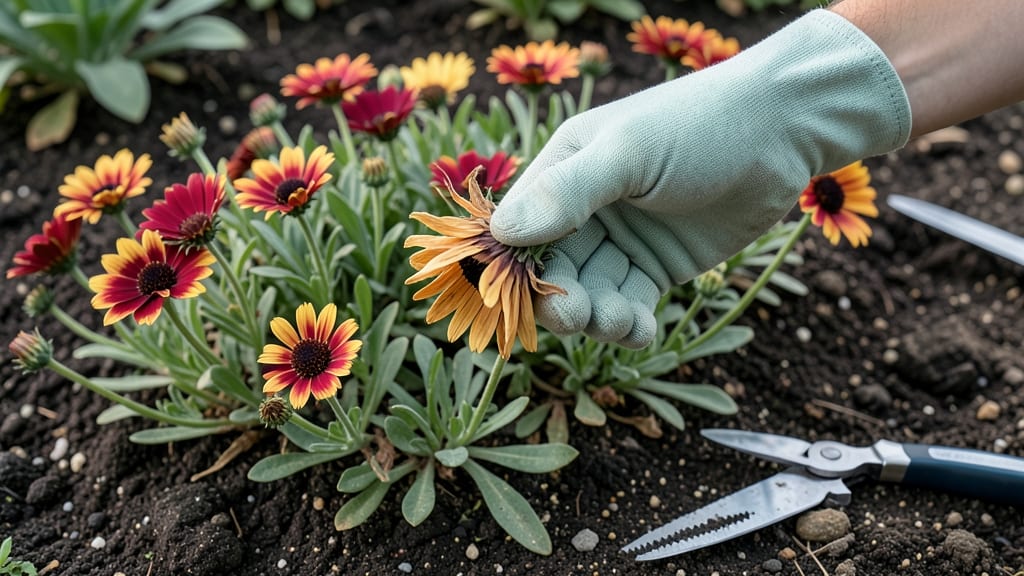
Deadheading gazanias transforms a single burst of color into a month-long flowering show. ✂️ I learned this the hard way—my first season, I let spent blooms linger, and by July, my plants had given up. Now, I snip just right, and my gazanias keep blooming until frost.
The secret is timing and technique: wait until flowers fade but haven't turned brown, then cut stems cleanly just above the next set of leaves. You'll need sharp pruners or even clean scissors—no fancy tools required. This simple habit prevents seed formation, redirecting energy to new blooms instead.
By midseason, you'll see dense clusters of fresh buds where there were once gaps. The plants stay compact, resist disease better, and produce flowers that outshine anything from a bouquet shop. Even my black thumb can't mess this up once I show you how.
Works for all gazania varieties, whether you're growing them in sunny borders, containers, or even as edging plants. Let's keep those blooms coming!
📚 In This Guide
- What you need
- Instructions
- Tips and common mistakes
- Wrapping up and next steps
What you need
- ● Pruning shears or sharp scissors – Choose a pair with clean, sharp blades (bypass pruners work best for precision). Tip: A 5-6 inch pair is ideal for most gazania varieties.
- ○ Gloves (optional but recommended) – Lightweight gardening gloves protect your hands from thorns (some gazania varieties have them) and dirt. Tip: Opt for breathable, nitrile-coated gloves for grip and comfort.
- ● Disinfectant (rubbing alcohol or 10% bleach solution) – Clean your tools before and after use to prevent the spread of disease. Tip: Wipe blades with rubbing alcohol for a quick sanitize!
- ● Small bucket or bag – For collecting spent blooms and debris. A 1-gallon bucket or mesh bag works great.
- ○ Water spray bottle (optional) – Helps rinse off pollen and dirt from tools mid-task.
- ● Mature gazanias – Deadheading is best done when flowers are fully spent but still upright (usually 2-3 days after blooming).
- ● Dry, sunny conditions – Avoid deadheading after rain or in damp conditions to prevent fungal issues.
- ● Patience and timing – Check plants every 2-3 days during peak bloom season for the best results!
Step-by-step instructions for deadheading gazanias
Here's the simple method I use to keep my gazanias blooming all season long.
✂️ Step 1: Wait for the Right Time to Deadhead
Deadhead gazanias only after the blooms have fully opened and started to fade. You'll know it's time when the petals begin to curl back or drop naturally. I like to wait until the center of the flower looks slightly browned—this tells me the plant has already put energy into that bloom.
Never cut healthy blooms in their prime. The goal is to remove only spent flowers while leaving fresh ones to open. If you cut too early, you'll sacrifice potential blooms and weaken the plant's energy reserves.
✂️ Step 2: Use Clean, Sharp Pruners or Fingers
Gazanias have delicate stems, so I use either clean, sharp pruning shears or just pinch the spent blooms off with my fingers. If using shears, sterilize them first with rubbing alcohol to prevent spreading disease between plants. Cut just above the next set of leaves or buds—this encourages new growth from that node.
For finger-pinching, simply grasp the base of the faded bloom and give a gentle twist. The stem should snap cleanly without tearing. Avoid pulling too hard, or you might damage the surrounding foliage.
✂️ Step 3: Remove Only the Spent Blooms
Focus solely on removing the faded flower heads. Leave the green stems and any side buds intact—these will develop into new blooms. I make it a habit to inspect each stem carefully, as gazanias often produce multiple buds along the same stem.
If you notice any stems with no buds or signs of disease, remove the entire stem at its base. This keeps your plants healthy and directs energy toward producing more flowers rather than struggling stems.
☀️ Step 4: Water and Fertilize After Deadheading
After deadheading, give your gazanias a light watering to help them recover. Water at the base of the plant in the morning so the foliage has time to dry before evening. Overwatering after pruning can lead to fungal issues, so keep the soil moist but not soggy.
Apply a balanced, water-soluble fertilizer every 2-3 weeks during the growing season. I use a 10-10-10 mix diluted to half strength. This encourages robust new growth and more abundant blooms. Stop fertilizing in late summer to allow the plants to prepare for dormancy.
⏰ Step 5: Repeat Regularly for Continuous Blooms
Check your gazanias every 2-3 days during peak bloom season. Regular deadheading keeps the plant focused on producing new flowers rather than seeding. I've found that consistent care leads to non-stop blooms from early summer through fall.
If you notice blooms slowing down, it might be time to trim back any overly leggy stems. Cut them back by about one-third to encourage bushier growth. This simple step can revive even the most tired-looking gazanias.
Tips & tricks for perfect gazania deadheading
These simple tricks will help you keep your gazanias blooming beautifully all season.
Timing Secret: I've found that deadheading in the morning gives your plants the whole day to recover before evening. The cooler morning temperatures also mean less stress on the plant compared to afternoon heat. Plus, you'll avoid the evening dampness that can lead to fungal issues.
Tool Technique: For those tricky-to-reach blooms, I keep a pair of small, sharp scissors in my gardening tool belt. They're perfect for precise cuts when fingers just can't reach. Remember to sterilize your tools between plants—just dip them in rubbing alcohol and let dry completely before using again.
Growth Hack: When you notice leggy stems slowing down the blooming, cut them back by about one-third. This might seem counterintuitive, but it actually encourages bushier growth with more flower buds. I've seen plants that were almost finished blooming come back with fresh flowers after this simple trim!
Fertilizer Wisdom: The 2-3 week fertilization schedule works perfectly with the 10-10-10 mix diluted to half strength. I've found that applying it right after deadheading gives your plants a little energy boost to recover and start producing new buds. Just remember to stop fertilizing in late summer to help your gazanias prepare for dormancy.
Pro Tips for Deadhead Gazanias
- These simple tricks will help you keep your gazanias blooming beautifully all season.
- Timing Secret: I've found that deadheading in the morning gives your plants the whole day to recover before evening.
- Tool Technique: For those tricky-to-reach blooms, I keep a pair of small, sharp scissors in my gardening tool belt.
Frequently asked questions
Got questions about keeping your gazanias blooming like crazy? You’re in the right place! Here are answers to the most common queries about deadheading these cheerful flowers—so you can spend less time Googling and more time admiring your garden.
When is the best time to deadhead gazanias?
Deadhead gazanias as soon as their blooms start wilting or fading—usually in the morning when flowers are still crisp. This prevents seed production, which drains energy from new blooms. Pro tip: Never let a flower head dry out completely on the plant, or it’ll signal the plant to stop flowering.
Do I need special tools to deadhead gazanias?
Nope! While sharp pruners or shears make the job easier, you can deadhead gazanias with just your fingers or clean scissors. Dull tools can crush stems, so if you’re using scissors, keep them sharp. A pair of bypass pruners (like Felco or Fiskars) is ideal for larger batches.
How often should I deadhead gazanias?
Check your gazanias every 2–3 days during peak bloom (spring/summer) and daily if flowers fade quickly in heat. Regular deadheading encourages non-stop blooms! If you’re busy, aim for at least 3–4 times per week—consistency is key.
What if my gazanias stop blooming after deadheading?
If blooms taper off, check for these issues:
- Overcrowding: Thin plants if stems touch (gazanias need airflow).
- Underwatering: Let soil dry slightly between waterings (they hate soggy roots!).
- Poor light: Gazanias need full sun (6+ hours/day)—move them if shade is the culprit.
- Old age: Annual gazanias may fade by late summer; replace with fresh plants.
Can I skip deadheading and still get flowers?
Yes—but expect fewer, shorter-lived blooms. Deadheading redirects the plant’s energy to new flowers instead of seed production. If you’re lazy (no judgment!), you’ll still get some flowers, but they’ll fade faster. Think of it like trimming your hair: skipping it won’t ruin it, but regular upkeep keeps it looking fresh!
Wrapping up and next steps
Deadheading gazanias is a simple yet powerful way to keep your garden vibrant and blooming all season long! 🌸 With just a pair of clean pruners and a few minutes of your time, you can encourage more flowers, stronger plants, and a showstopper display.
Remember, consistency is key—check your gazanias regularly, and don’t forget to enjoy the process!
Ready to take your gardening game to the next level? Try deadheading another flowering plant next—like marigolds or zinnias—and watch your garden thrive even more! Happy pruning! ✂️🌿