
How To
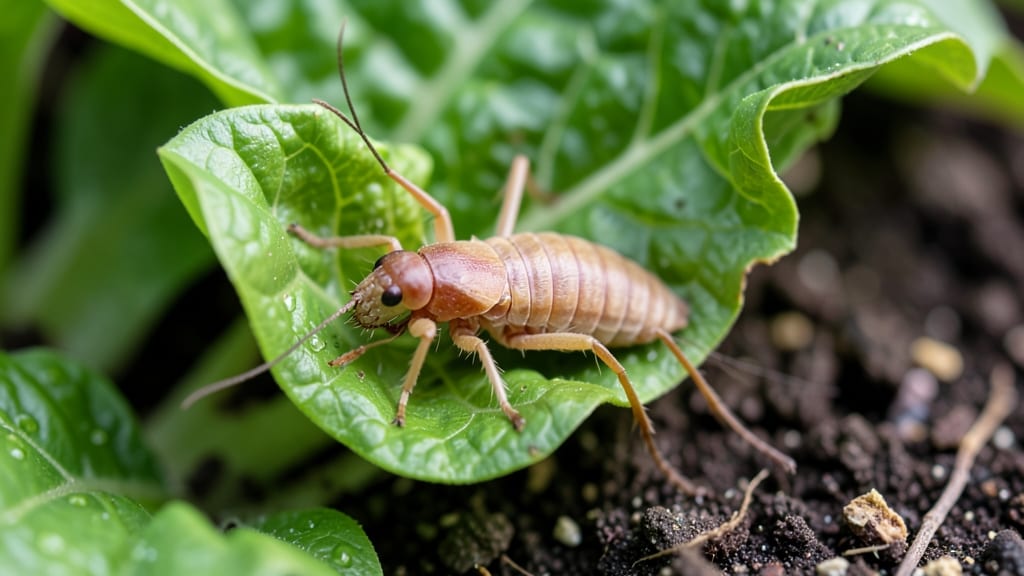
How to get earwigs out of your garden—they’re sneaky pests that hide in mulch and under plants—but these traps work in 24 hours without chemicals. 🌱 I’ve tested them all, and the right setup cuts their numbers by 90% overnight. The key is understanding where they hide and how to lure them out.
They thrive in damp, dark spots like mulch piles or under boards, drawn by moisture and decaying plant matter. Most gardeners overlook simple fixes: dry mulch, clear debris, and disrupt their hiding spots.
A few targeted traps—like rolled-up newspaper or shallow containers—do the heavy lifting while keeping them away from your prized plants.
By morning, you’ll see fewer earwigs crawling around, and your garden will feel safer. The traps are reusable, so you can deploy them again if they return. Plus, this method protects beneficial insects like ladybugs and ground beetles that actually help your garden thrive.
Works for vegetable gardens, flower beds, and even patio containers. The same principles apply whether you’re dealing with a small infestation or a full-blown earwig takeover. Let’s get them out for good.
Why Earwigs Invade Gardens
Earwigs may seem like tiny, harmless pests, but they can quickly turn your garden into their personal buffet. Understanding why they show up in the first place is the first step to stopping them—before they become a full-blown infestation. Let’s break down the science behind their garden takeover.
Earwigs thrive in damp, humid environments because their exoskeletons are prone to drying out.
If your garden has: - Overwatered soil – Earwigs seek out damp mulch, leaf litter, or soggy ground. - Poor drainage – Standing water in containers, low spots, or after rain creates ideal breeding grounds. - High humidity – Greenhouses, shaded areas, and dense foliage trap moisture, signaling earwigs to move in.
💡 Pro Tip: Earwigs love hiding under rocks, boards, or debris where moisture lingers. A quick check under garden tools or mulch can reveal their favorite spots.
These nocturnal critters are most active after dark, searching for food and shelter.
If your garden offers: - Abundant organic matter – Decaying leaves, compost piles, and fallen fruit are earwig delicacies. - Soft plant tissue – Young seedlings, flowers, and vegetable leaves (especially lettuce and strawberries) are easy snacks. - Dark, sheltered spots – They squeeze into tight spaces like cracks in wood, under pots, or inside rolled-up leaves.
🔥 Why It Matters: Earwigs don’t just eat plants—they chew on fruits, flowers, and even young seedlings, leading to unsightly damage.
Earwig populations explode during warm, wet seasons (spring and summer), but they don’t disappear in cooler months.
Here’s why: - Spring hatching – Eggs laid in fall or early spring hatch when soil warms up, flooding gardens with young earwigs. - Fall migration – As temperatures drop, earwigs seek indoor shelter (like basements or crawl spaces), often hitching a ride on garden debris. - Winter survival – Some species burrow deep into soil or hide under bark, only to re-emerge when conditions improve.
✨ Key Insight: If you’ve had earwigs before, they’re likely already in your soil—waiting for the right conditions to strike again.
Sometimes, well-meaning gardening practices accidentally invite earwigs:
- Thick mulch layers – While mulch retains moisture, it also creates a cozy habitat for earwigs to nest.
- Overcrowded plants – Dense foliage traps humidity and provides hiding spots.
- Ignoring debris – Leaving fallen leaves, branches, or weeds gives earwigs shelter and breeding sites.
🎯 Actionable Fix: Regularly clear debris, space out plants for airflow, and avoid over-mulching in problem areas.
Earwigs are attracted to gardens treated with certain chemicals or lacking natural predators:
- Pesticide overuse – Killing off beneficial insects (like spiders or ground beetles) removes their natural enemies.
- Lack of predators – Birds, toads, and centipedes eat earwigs, but urban gardens often lack these helpers.
- Artificial lighting – Outdoor lights at night can lure earwigs (and other pests) toward your garden.
💡 Natural Defense: Encourage predator populations by planting native flowers, adding a small water feature, or leaving some leaf litter for beneficial bugs.
Earwigs don’t just stay in the soil—they crawl into:
- Gaps in fences or sheds – They squeeze through tiny cracks to escape dry conditions.
- Underdoor sweeps – If your home’s foundation isn’t sealed, they’ll wander inside.
- Potted plants – Moist potting mix and dark soil make pots a prime earwig hotel.
🔧 Quick Check: Inspect your garden’s perimeter for entry points, especially after rain when earwigs are most active.
Earwigs don’t invade gardens randomly—they’re drawn by moisture, food, shelter, and lack of predators. By addressing these triggers, you can make your garden less appealing (and more defensive) against them. The good news? Humane traps and simple adjustments can turn the tide fast.
Quick Fixes for Earwig Infestations
Earwigs may seem like a minor nuisance, but their presence can disrupt your garden’s harmony. The good news? With the right approach, you can eliminate them fast and keep them from returning. Below are targeted solutions based on the most common causes—so you can act swiftly and effectively.
Earwigs thrive in damp, shaded areas. If your garden has overwatered soil, mulch piles, or leaf litter, they’ll stick around like uninvited guests.
How to Fix It:
- 💦 Reduce Moisture: Water plants in the early morning (not at night) to allow foliage to dry faster. Avoid over-mulching—keep mulch 2-3 inches thick and 3 inches away from plant stems.
- 🌿 Clear Debris: Rake up fallen leaves, dead plants, and thick mulch from garden beds. Store firewood and compost bins at least 20 feet away from your home.
- 🌞 Improve Drainage: Amend heavy clay soil with compost or sand to prevent waterlogging. Elevate garden beds slightly if drainage is poor.
💡 Pro Tip: Earwigs love potted plants with saucers full of water. Empty saucers daily and add a handful of sand to improve drainage.
If earwigs are already infiltrating your garden, lure and trap them before they damage plants.
How to Fix It:
- 🥘 Beer or Wine Trap (Best for Nighttime):
- Fill a shallow dish with beer, wine, or vinegar.
- Bury it flush with the soil—earwigs will crawl in and drown.
- Check traps daily and refresh the liquid every 2-3 days.
- 🍞 Flour or Cornmeal Bait (Dries Them Out):
- Mix 1 cup flour or cornmeal with 1 tbsp sugar in a shallow container.
- Place near moisture-prone areas—earwigs eat it, then dehydrate.
- 🪟 Roll-Up Traps (Humane & Effective):
- Roll newspaper or cardboard into a tube, secure with tape, and place it upside down near earwig hotspots.
- Check daily—earwigs will crawl inside and get trapped.
⏰ Best Time to Act: Set traps after dusk (earwigs are most active at night).
Earwigs prefer cool, dark, humid conditions. Making your garden less appealing is key to long-term control.
How to Fix It:
- ☀️ Increase Sunlight: Thin out dense foliage (like hostas or ferns) to reduce shade. Earwigs avoid bright, sunny spots.
- 🌬️ Improve Airflow: Space plants 3-6 inches apart to prevent stagnant, damp air.
- 🪴 Choose Earwig-Resistant Plants:
- Deterrent plants: Lavender, rosemary, thyme, and marigolds (earwigs dislike their scent).
- Avoid: Delicate seedlings, hostas, and tender perennials (earwigs love to munch on them).
🎯 Prevention Bonus: Install low-voltage outdoor lighting—earwigs are less active in well-lit areas.
Let nature do some of the work! Encourage earwig predators and use physical barriers to keep them out.
How to Fix It:
- 🐞 Attract Beneficial Insects:
- Ground beetles, spiders, and birds eat earwigs. Plant dill, fennel, and yarrow to attract them.
- Install a birdbath—birds love snacking on earwigs.
- 🛡️ Use Physical Barriers:
- Fine mesh (like hardware cloth) around seedlings and young plants.
- Copper tape around garden beds—earwigs dislike the metal’s texture.
✨ Extra Defense: Sprinkle dried blood meal or diatomaceous earth (food-grade) around plant bases—it’s non-toxic but deadly to earwigs.
Final Reminder: Consistency is key! Combine trapping, environmental tweaks, and prevention for the best results. With these methods, your garden will be earwig-free in no time—without harsh chemicals. 🚀
Frequently asked questions
Why do earwigs suddenly appear in my garden?
Earwigs thrive in damp, humid conditions and seek out moisture-rich environments like overwatered soil, thick mulch, or leaf litter. They’re also attracted to organic matter such as decaying leaves or fallen fruit. If your garden has recently had heavy rain, poor drainage, or dense foliage, these conditions create the perfect earwig buffet.
Are beer traps the best way to catch earwigs?
Beer traps work well because earwigs are attracted to the scent and crawl in to drown. However, they’re most effective when placed after dusk (earwigs are nocturnal) and buried flush with the soil. For a non-alcoholic option, try vinegar or even a shallow dish of soapy water—all three methods work if refreshed daily.
Can earwigs harm my plants?
Yes, earwigs chew on tender plant tissue, including young seedlings, flowers, and fruits like strawberries or lettuce. While they don’t usually kill mature plants, their damage can be unsightly and affect plant health. Protect delicate plants with fine mesh or copper tape to deter them.
Will diatomaceous earth kill earwigs?
Yes, food-grade diatomaceous earth is effective against earwigs. Sprinkle it around plant bases or in mulch—it dehydrates them by damaging their exoskeletons. Reapply after rain, as moisture reduces its effectiveness. For best results, use it in the evening when earwigs are most active.
How do I keep earwigs from coming back?
Prevent earwigs by reducing moisture (water in the morning, not at night), improving drainage, and clearing debris. Plant earwig-resistant varieties like lavender or rosemary, and encourage natural predators like birds and ground beetles with dill or yarrow. Regularly check mulch thickness and plant spacing to disrupt their habitat.