
Succulent
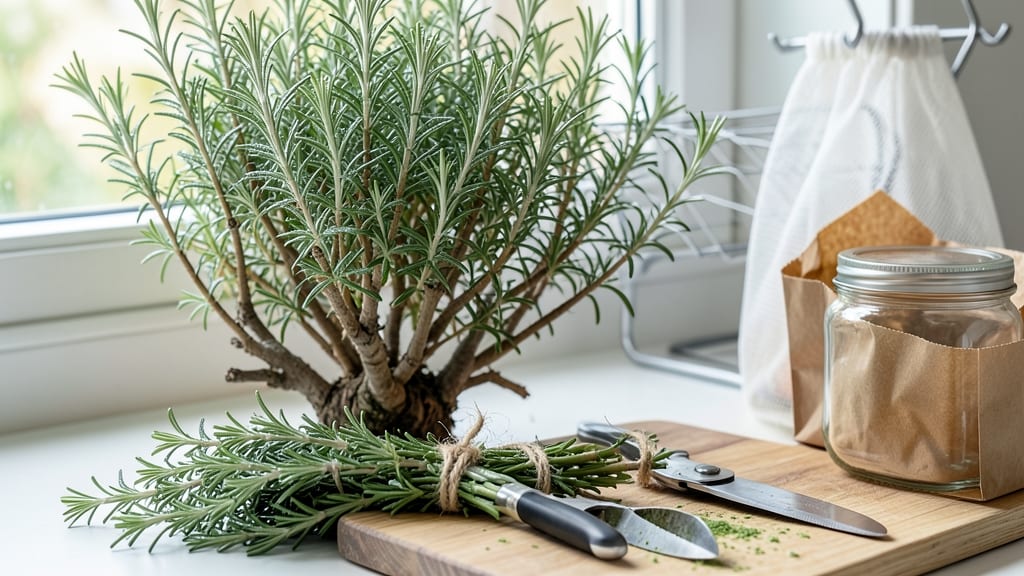
How to dry rosemary naturally—there’s nothing like the sun-kissed aroma of rosemary preserved the old-fashioned way. 🌿 I’ve turned my kitchen into a fragrant herb pantry by mastering this simple, no-fuss method—no dehydrator needed. The key is patience and timing: harvest stems just before flowering, trim leaves, and let nature do the rest.
You’ll need fresh rosemary sprigs, twine or rubber bands, and a dark, dry spot (or sunny windowsill). Bundle 3-4 stems together, tie tightly, and hang upside down. In 2-4 weeks, the leaves will crumble easily between your fingers—perfectly preserved. Store in an airtight container for up to a year.
The payoff? Flavor that rivals fresh herbs, plus the satisfaction of knowing you’ve captured sunshine in every pinch. Use it in roasted meats, homemade bread, or even as a natural potpourri. No more wilting sprigs—just endless possibilities.
Works for any rosemary variety, from upright to trailing types. Here’s how to avoid common pitfalls like mold or uneven drying—so your harvest stays vibrant and potent.
📚 In This Guide
- What you need
- Instructions
- Tips and common mistakes
- Wrapping up and next steps
What you need
- ● Fresh rosemary sprigs: 1–2 large stems (or a small bunch, ~10–15 inches long) with healthy, green leaves. Choose organic if possible to avoid pesticides.
- ● Clean, sharp scissors or pruning shears: For harvesting stems without damaging the plant.
- ● Drying method of choice: Sun-drying: A well-ventilated area (like a porch, balcony, or drying rack) with direct sunlight (3–5 days).
- ● Air-drying: A cool, dark, dry place (e.g., a pantry or hanging bundle) for 2–4 weeks.
- ● Twine, rubber bands, or string: To tie sprigs into bundles (for hanging).
- ● Paper bags or airtight containers: For storage once fully dried (e.g., 1-gallon Ziploc or glass jars).
- ● Drying rack or mesh screen: Elevates rosemary for better airflow if sun-drying.
- ● Food dehydrator: Speeds up drying (set to 95°F–115°F for 2–4 hours).
- ● Desiccant packets: Absorbs moisture in storage containers for extra freshness.
- ● Labeling tags: Mark bundles with the drying date for tracking.
Step-by-step instructions for drying rosemary naturally
Here's how I preserve rosemary's vibrant flavor and aroma using simple, sun-powered methods.
🌿 Step 1: Harvest at Peak Freshness
Pick rosemary stems when they're fully mature but before flowering begins. Look for stems with 3-4 inches of growth and a deep green, fragrant appearance. The best time to harvest is in the morning after the dew has dried but before the midday sun intensifies.
Use clean, sharp scissors or pruning shears to cut just above a leaf node. This encourages bushier growth. Avoid harvesting more than one-third of the plant at once—rosemary is resilient but can become stressed if over-pruned. Bundle stems together with 3-5 stems per bundle for optimal air circulation.
🪴 Step 2: Prepare Bundles for Drying
Remove any damaged or woody stems from your harvest. Tie the bundles securely with twine or rubber bands, leaving about 1 inch of stem exposed at the top. This prevents the stems from touching each other during drying, which can cause mold. I like to hang bundles upside down—this mimics the plant's natural growth orientation and helps the oils flow downward.
For even drying, trim the bottoms of the stems at an angle. This creates a larger surface area for moisture to evaporate. Place the bundles in a dry, well-ventilated area away from direct sunlight for 24 hours to allow the cut ends to slightly dry out before hanging.
☀️ Step 3: Hang in a Sunlit, Airy Space
Choose a location with indirect sunlight and good airflow—like a covered porch, shade cloth area, or inside near an open window. Direct sun can cause the leaves to bleach and lose their vibrant color. Hang bundles in a way that allows air to circulate freely around them, preventing moisture buildup.
Drying typically takes 2-3 weeks, depending on humidity levels. You'll know it's ready when the leaves crumble easily between your fingers and the stems snap cleanly. If you notice any mold or mustiness, remove those bundles immediately and try a different drying location.
⏰ Step 4: Store Properly for Long-Term Use
Once fully dried, remove the leaves from the stems by rubbing them between your fingers or using a mortar and pestle. Store the leaves in an airtight container, like a glass jar, away from light and heat. A dark cupboard or pantry works best. Rosemary holds its flavor for up to 6 months when stored properly.
For whole sprigs, keep them whole and store them in a paper bag in a cool, dark place. This preserves their aroma longer than plastic containers. Label your containers with the date to track freshness—older rosemary loses its potency over time.
Tips & tricks for perfect sun-dried rosemary
Took me years of trial-and-error to perfect these sun-drying techniques—here's what I've learned about preserving rosemary's vibrant essence.
Harvest Timing: Morning is key for harvesting rosemary—this is when the oils are most concentrated and the dew has evaporated. I harvest just before flowering begins, as the buds contain more volatile oils that contribute to flavor. For best results, harvest on a dry day with minimal humidity, as moisture in the air slows down the drying process.
Bundle Preparation: The 24-hour pre-drying step in Step 2 is crucial—it allows the cut ends to slightly dry out before hanging, which prevents mold growth during the longer drying period. For even better air circulation, I space my bundles about 6 inches apart when hanging. This mimics commercial drying practices and ensures consistent drying throughout all stems.
Drying Environment: While indirect sunlight is ideal, I've found that a well-ventilated indoor space with a small fan aimed at the bundles can speed up drying by 30-40% in humid climates. The fan should be on low setting—just enough to create gentle airflow without disturbing the delicate leaves. This is especially helpful during those 2-3 week drying periods when humidity slows things down.
Storage Wisdom: The 6-month storage life mentioned in Step 4 assumes you're using airtight glass containers. For maximum freshness, I actually recommend using amber glass jars—they block more light than clear glass and preserve the rosemary's vibrant color and aroma longer. You can also add a small piece of dried citrus peel to the jar for an extra flavor boost that complements the rosemary.
Pro Tips for Dry Rosemary Naturally
- Took me years of trial-and-error to perfect these sun-drying techniques—here's what I've learned about preserving rosemary's vibrant essence.
- Harvest Timing: Morning is key for harvesting rosemary—this is when the oils are most concentrated and the dew has evaporated.
- Bundle Preparation: The 24-hour pre-drying step in Step 2 is crucial—it allows the cut ends to slightly dry out before hanging, which prevents mold growth during the longer drying period.
Frequently asked questions
Got questions about drying rosemary the natural way?
You’re not alone—here are the most common queries (and answers!) to help you master sun-dried rosemary like a pro.
How long does it take to dry rosemary in the sun?
Drying time depends on humidity and sunlight, but typically rosemary takes 1–3 weeks to fully dry in the sun. Check for crispness: stems should snap easily, and leaves should crumble between your fingers. If rain’s forecasted, bring it inside early!
Can I speed up the drying process?
While sun-drying is the gold standard, you can shorten the process by hanging bundles in a well-ventilated, dry spot (like a pantry or attic) for 2–4 weeks. For faster results, use a dehydrator at 95°F (35°C) for 2–3 hours—just avoid high heat to preserve flavor.
What if it rains before my rosemary dries?
No worries! If rain interrupts your drying schedule, move the bundles indoors immediately to a dark, dry place. They’ll finish drying slower but won’t mold. For extra protection, store them in a paper bag with holes to allow airflow.
How do I know if my rosemary is fully dried?
Fully dried rosemary should be brittle and light—leaves should crumble easily, and stems should snap like dry twigs. If it still feels damp or smells musty, give it another week or two. Pro tip: Store in an airtight container away from light to keep it fresh for up to a year!
Can I dry rosemary without tying it into bundles?
Yes! If you’re short on twine, try these alternatives:
- Single stems: Hang them upside down in a dry, dark place (like a cupboard) with a rubber band or clothespin.
- Loose leaves: Spread them on a screen or mesh tray in indirect sunlight, stirring occasionally.
- Silica gel: For speed, place stems in a sealed container with silica gel packets (used for dried flowers).
Wrapping up and next steps
Drying rosemary naturally is a simple yet rewarding process that unlocks year-round access to its fragrant, culinary magic—without chemicals or fuss. Whether you bundle stems, lay sprigs, or use a dehydrator, the key is patience and a dry, airy space.
Now that you’re equipped with the know-how, grab those fresh sprigs and start preserving their vibrant essence for soups, stews, or homemade remedies!
🌿 Next step: Try experimenting with your dried rosemary in recipes—think roasted potatoes, infused oils, or even homemade herbal teas. Happy drying! 🌞