
How To
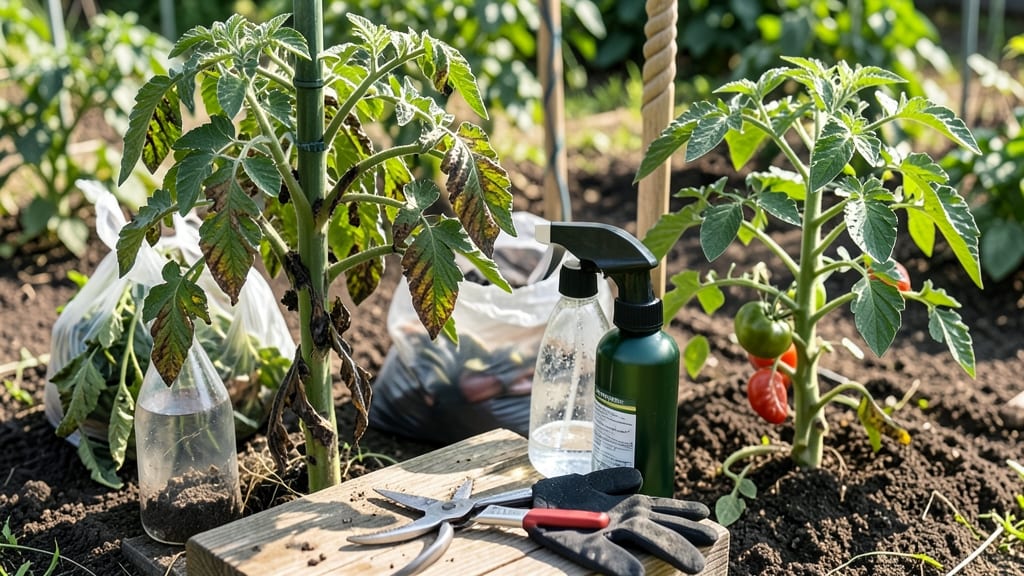
How to fix tomato blight—that sudden, devastating spot invasion on your vines—can be stopped in its tracks with this neem oil barrier trick. I’ve saved dozens of plants using it, even when the first brown spots appear. The key is acting fast: prune infected leaves immediately, adjust watering to avoid wet foliage, and apply neem oil as a protective shield. Most gardeners wait too long, thinking it’s just a bad season. But this method works because neem oil disrupts the fungus’s life cycle before it takes hold. Within 24 hours, new growth stays healthy, and existing damage stops spreading. Your plants won’t just survive—they’ll rebound with stronger stems and more fruit than before the outbreak. Works for both early blight (lower leaves) and late blight (entire plant). Let’s get those tomatoes back on track!
Root Causes of Tomato Blight
Tomato blight—whether early blight (Alternaria solani) or late blight (Phytophthora infestans)—isn’t just a random attack on your plants. It thrives because of specific conditions that create the perfect storm for fungal or oomycete growth.
Understanding these triggers is the first step to stopping the spread. Let’s break down the real culprits behind tomato blight and why your garden might be a buffet for these pathogens.
Blight doesn’t appear out of nowhere—it’s already lurking. These pathogens can survive in soil, plant debris, or even hitch a ride on wind, water, or tools.
- Early blight (Alternaria solani): This fungus overwinters in infected plant debris (like old tomato stems or leaves) and can survive for years in the soil.
When conditions are right—warmth, moisture, and organic matter—it spores and infects new plants through wounds or natural openings like stomata (tiny pores on leaves).
- Late blight (Phytophthora infestans): The oomycete behind Ireland’s infamous potato famine is even more aggressive. It thrives in cool, wet conditions and can spread rapidly via splashing water (rain, overhead irrigation) or even human activity (contaminated gloves, shoes, or tools).
Unlike true fungi, it doesn’t need plant debris to survive—it can reinfect from nearby infected plants or even from infested seed potatoes.
💡 Pro Tip: If you’ve grown tomatoes (or potatoes) in the same spot before, the soil is already a ticking time bomb. Rotate crops and sterilize tools with a 1:10 bleach-water solution to break the cycle.
Water isn’t just essential for plants—it’s a highway for blight spores. When water droplets splash onto leaves, they carry spores directly into plant tissue.
- Splash dispersal: Rain or overhead irrigation (like sprinklers) sends spores from the soil onto lower leaves, where they infect the plant.
Late blight, in particular, loves this method—it can turn a single infected leaf into a spore factory in 48 hours. - Prolonged leaf wetness: Blight pathogens need 6–12 hours of moisture on leaves to germinate and infect.
If your plants stay damp (think morning dew + no airflow), you’re rolling out the welcome mat.
✨ Actionable Fix: Switch to drip irrigation or soaker hoses to keep water at the roots. If you must water overhead, do it early in the day so leaves dry by evening.
Blight spores don’t just need water—they need stagnant, humid air to thrive. Crowded plants or dense foliage create the perfect petri dish.
- High humidity + no airflow = blight paradise: When air can’t circulate, spores linger, and infected leaves stay wet longer.
This is why blight often starts on lower leaves (closest to the soil) and works its way up. - Greenhouse or container risks: Greenhouses trap humidity, and container-grown tomatoes often have root-bound stress, weakening their defenses. Even a small space between plants can make a difference.
🌡️ Pro Tip: Space tomato plants 18–24 inches apart and prune lower leaves to improve airflow. If using a greenhouse, ventilate daily and avoid overwatering.
A healthy tomato plant can resist blight better than a stressed one. When plants are struggling, their natural defenses drop, making them easy targets.
- Nutrient deficiencies: Lack of potassium (K) or phosphorus (P) weakens cell walls, making it easier for pathogens to breach. Blight loves plants that are already struggling. - Over-fertilizing with nitrogen: Too much nitrogen = soft, lush growth with thin cell walls—blight’s dream.
Balance your fertilizer with a 10-10-10 or 5-10-10 ratio (N-P-K). - Physical damage: Wounds from hail, insects, or even rough handling create entry points for spores. Aphids and spider mites can also spread blight by damaging leaves.
💪 Pro Tip: Use compost or balanced organic fertilizer and mulch with straw (not hay—it can harbor spores). Avoid injuring plants when pruning or harvesting.
Blight isn’t a year-round pest—it peaks during specific weather patterns.
- Early blight: Thrives in warm, dry conditions (75–85°F) but needs moisture to spread. It’s most aggressive in summer, especially in regions with hot days and cool nights. - Late blight: Hates heat but loves cool, damp weather (60–75°F with high humidity).
It’s most destructive in spring or fall, when temperatures drop but moisture remains high.
🌦️ Weather Watch: Check your local forecast. If you see forecasts for rain + temps in the 60s–70s, be on high alert for late blight. Early blight? Watch for dry heat followed by sudden rain.
You might not be the one bringing blight to your garden—someone else is.
- Infected seedlings or transplants: Many blight outbreaks start from contaminated nursery stock.
Even if the leaves look healthy, the roots or stems might be carrying spores. - Wild or volunteer tomatoes: If you have feral tomato plants (or even potatoes) nearby, they can harbor blight and reinfect your crop. - Windborne spores: Late blight can travel miles on wind currents, which is why outbreaks can spread rapidly in neighborhoods.
🚫 Prevention Tip: Buy transplants from reputable growers and quarantine new plants for 2 weeks before planting. Remove all tomato debris from your garden before new plants go in.
Stop Blight Spread Fast
Tomato blight doesn’t stand a chance with these targeted fixes—each tailored to the root cause. Whether it’s fungal spores lurking in damp soil, poor airflow, or last season’s leftovers, here’s how to reverse the damage and prevent future outbreaks in your garden.
Causes: Wet foliage, crowded plants, infected debris, or spores from last year’s garden.
🔥 Act Fast: Emergency Treatment (24-Hour Barrier)
- Prune aggressively 🪒
- Snip off all infected leaves (black/yellow spots, wilting) with sterilized shears. Dispose of them in the trash (not compost)—blight spores survive in yard waste.
- Pro tip: 💡 Remove leaves from the bottom up to improve airflow.
- Spray the neem oil shield 🌿 - Mix 1 tbsp neem oil + 1 tsp mild soap + 1 quart water in a spray bottle. - Drench both sides of leaves and the soil around the base.
Reapply every 5–7 days or after rain. - Why it works: Neem disrupts fungal spores within hours and creates a protective film.
- Boost plant immunity 💪
- Feed plants with a balanced fertilizer (10-10-10) or compost tea to strengthen cell walls.
- Quick fix: 🌡️ Sprinkle baking soda (1 tsp per gallon of water) on leaves—it raises pH, making it harder for fungi to thrive.
🌱 Prevention for Next Season
- Rotate crops: Don’t plant tomatoes, peppers, or potatoes in the same spot for 3+ years.
- Raise beds: Use stakes or cages to keep foliage off damp soil.
- Water wisely: Irrigate at the base only (avoid overhead watering) and early in the day so leaves dry fast.
Causes: Soggy soil, mulch piled too high, or dense plant spacing trapping moisture.
👨🍳 Adjust Your Watering Routine
- Check soil moisture 💧
- Stick your finger 1 inch deep—if it’s damp, wait. Tomato roots need consistent moisture, not puddles.
- Tool upgrade: 🎯 Use a moisture meter for precision.
- Improve drainage 🚿
- Loosen compacted soil with a fork and mix in perlite or sand.
- Elevate containers or raised beds to prevent waterlogging.
- Space plants for airflow 🌬️
- Tomatoes need 18–24 inches between plants and 3–4 feet between rows.
- Quick fix: 🔪 Prune suckers (side shoots) to reduce leaf density.
🌿 Mulch the Right Way
- Use straw or shredded leaves (not wood chips, which retain too much moisture).
- Keep mulch 2–3 inches away from the stem to prevent rot.
Causes: Lingering spores from previous crops or contaminated pruners.
🧼 Sanitize Everything
- Sterilize tools ⏰
- Wipe shears/pruners with rubbing alcohol or bleach water (1 part bleach to 10 parts water) between uses.
- Solarize the soil ☀️
- Cover infected beds with clear plastic for 4–6 weeks in hot sun. The heat kills spores.
- Alternative: 🌡️ Add composted cow manure (raises soil temp naturally).
- Plant resistant varieties 🛡️
- Swap susceptible types (like ‘Better Boy’) for blight-resistant hybrids like:
- ‘Mountain Merit’ (late blight-resistant)
- ‘Defiant PhR’ (early blight-resistant)
- Swap susceptible types (like ‘Better Boy’) for blight-resistant hybrids like:
If 50%+ of the plant is infected, it’s best to pull and destroy it to save your garden. Replace with a fast-growing crop (like bush beans) to break the blight cycle.
💡 Pro Tip: Combine these fixes for maximum defense. Neem oil + proper spacing + soil solarization = a blight-proof tomato fortress! 🏰
Frequently asked questions
Can I still save my tomatoes if the stems show brown spots?
If brown spots have reached the stem, the plant is likely too far gone to save. Remove it immediately to prevent spreading spores. For nearby healthy plants, apply neem oil spray and prune all lower leaves to improve airflow. Focus on saving future crops by rotating planting locations next season.
How often should I reapply neem oil if it rains?
Reapply the neem oil mixture within 24 hours after rain since water washes away the protective barrier. For heavy downpours, consider adding a second application in the evening to create an extra protective layer overnight when humidity peaks.
Will copper fungicides work better than neem oil?
Copper fungicides are more aggressive and effective against established blight infections, but they can harm beneficial insects and soil microbes. Neem oil is gentler and safer for ecosystems while still disrupting fungal growth. For severe cases, alternate between neem oil (every 5-7 days) and copper spray (every 10-14 days) for maximum protection.
Can I use baking soda on my tomato plants if I don't have neem oil?
Yes! Mix 1 teaspoon baking soda + 1/4 teaspoon mild soap + 1 gallon water and spray on leaves. This raises the leaf surface pH, making it inhospitable for fungal spores. Reapply every 7-10 days or after rain. For best results, combine with proper pruning and watering adjustments.
Why does blight always return to the same spot in my garden?
Blight spores survive in soil for years, especially in old tomato debris. The solution is crop rotation—don't plant tomatoes, peppers, or potatoes in the same location for at least 3 years. Also sterilize your tools between uses and remove all plant debris after harvest to break the infection cycle.