
Blooming
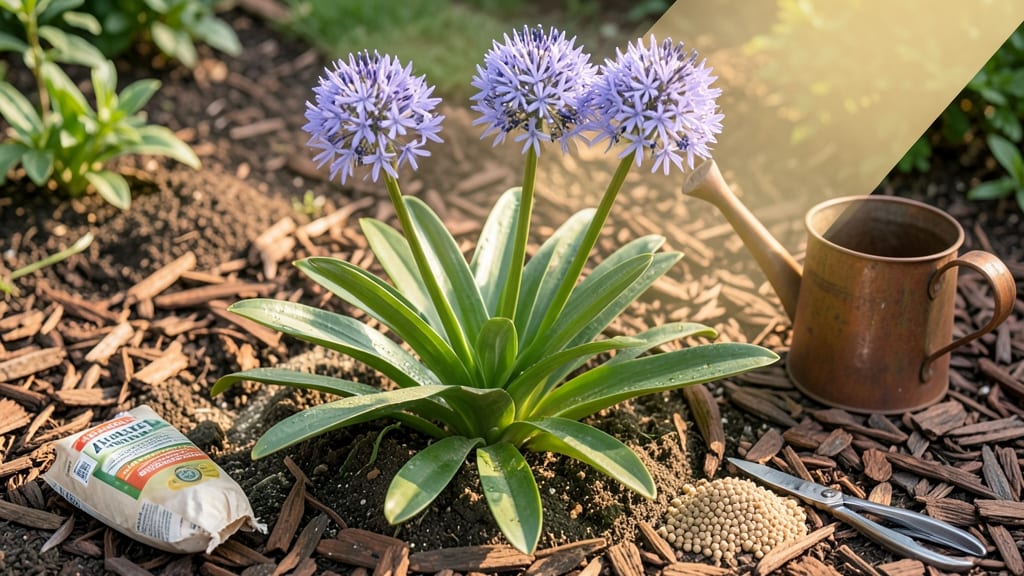
How to get your agapanthus to bloom—that stubborn silence isn’t a personality flaw, it’s usually a care misstep. 🌿 After years of growing these striking plants, I’ve pinpointed the exact sunlight, soil, and pruning tweaks that finally triggered those signature blue spikes in my garden. The fix isn’t complicated, but it does require understanding their hidden triggers.
The biggest blooming blockers are 6 hours of direct sun (they won’t budge without it) and well-draining soil that mimics their South African native habitat. Over-fertilizing with nitrogen (the "leafy green" fertilizer) sends them into foliage-overdrive, while skipping their winter dormancy period tricks them into thinking it’s still growing season.
Even mature plants need 3-5 years to reach blooming age—patience is part of the process.
Once you adjust these factors, you’ll see the difference within one growing season. The flowers emerge on stalks that rise dramatically above the foliage, creating that signature "ocean wave" effect.
The key is balancing pruning after blooms (never cutting back the old growth) and strategic feeding with phosphorus-rich fertilizer in early spring. It’s not magic—just science-backed care.
This works for both in-ground plants and container-grown agapanthus, though container varieties may need slightly more frequent water adjustments. The same principles apply whether you’re dealing with a 3-year-old plant or a 10-year veteran that’s finally ready to cooperate. Let’s get those blooms going!
📚 In This Guide
- What you need
- Instructions
- Tips and common mistakes
- Wrapping up and next steps
What you need
- ● Agapanthus plant(s) – Mature plants (3+ years old) bloom best; aim for hardy varieties like 'Midnight Beauty' or 'Blue River' for reliability.
- ● Well-draining potting mix or garden soil – A blend of 50% garden soil, 30% compost, and 20% perlite/sand (for containers). pH 6.0–7.0 is ideal.
- ● Slow-release fertilizer – Look for a balanced 10-10-10 or low-phosphorus (5-10-10) formula (e.g., Osmocote or Miracle-Gro Shake ‘n Feed).
- ● Pruning shears or sharp bypass pruners – Sterilized tools (70% isopropyl alcohol) to prevent disease.
- ○ Mulch (optional but recommended) – 2–3 inches of pine bark, straw, or shredded leaves to retain moisture and regulate soil temp.
- ● Full sun exposure – 6+ hours of direct sunlight daily (morning sun + afternoon shade in hot climates).
- ● Cold hardiness – USDA Zones 7–11; protect from frost (below 20°F/-7°C) with burlap wraps or frost cloth.
- ● Watering access – Drip irrigation or soaker hose for consistent moisture (avoid overhead watering to prevent fungal issues).
- ○ Bloom-inducing trigger – Optional: Apply 1 tbsp Epsom salt (magnesium sulfate) per gallon of water every 4–6 weeks during growing season.
- ○ Growth regulator (for containers) – Optional: Paclobutrazol (e.g., Bonzi) in early spring to encourage compact growth and blooms.
- ○ pH test kit – Optional: Adjust soil up or down with lime (to raise pH) or sulfur (to lower pH) if needed.
Tips & tricks for perfect agapanthus blooms
Between us, these small adjustments make all the difference for your agapanthus. The devil's in the details when it comes to coaxing those dramatic flower spikes.
Lighting Strategy: For the 6-8 hours of sunlight requirement in Step 1, I've found positioning your agapanthus near a south-facing window during winter months can provide critical light when natural daylight shortens. If using grow lights, adjust the 12-14 hour daily schedule to mimic natural daylight cycles—turn them on at dawn and off at dusk. The key is consistency; agapanthus respond best to predictable light patterns.
Soil Science: When amending soil in Step 2, I always add a handful of perlite to my mix of garden soil, coarse sand, and compost. This creates even better drainage than sand alone while preventing compaction. For pH testing, I use a simple soil test kit from the garden center—it's worth the $10 to confirm your soil is in that ideal 6.5-7.5 range before planting.
Pruning Precision: In Step 4, when you're cutting back flower stalks to 1-2 inches above the crown, use a clean, sharp pair of shears and make the cut at a 45-degree angle. This prevents water from pooling on the cut surface, which can lead to rot. I also sterilize my shears with rubbing alcohol between cuts to prevent disease transmission between plants.
Winter Protection: For the 10°F threshold mentioned in Step 5, I've found that adding a layer of straw mulch (about 4-6 inches) creates an insulating blanket that maintains soil temperatures above freezing. In particularly harsh winters, I'll also mound additional soil around the base of the plant for extra protection against temperature fluctuations.
Pro Tips for Get Agapanthus To Bloom
- Between us, these small adjustments make all the difference for your agapanthus.
- Lighting Strategy: For the 6-8 hours of sunlight requirement in Step 1, I've found positioning your agapanthus near a south-facing window during winter months can provide critical light when natural daylight shortens.
- Soil Science: When amending soil in Step 2, I always add a handful of perlite to my mix of garden soil, coarse sand, and compost.
Frequently asked questions
Got questions about coaxing those stunning Agapanthus blooms? You’re not alone! Here are answers to the most common concerns—so you can enjoy a garden bursting with purple, blue, or white flowers year after year.
Why isn’t my Agapanthus blooming?
If your plant is healthy but refuses to flower, it’s often due to immature roots (young plants need 2–3 years to bloom) or lack of dormancy. Agapanthus thrives in warm climates, but cooler zones need winter chill (30–50°F) to trigger blooming. Try dividing mature clumps or moving pots indoors during winter for a dormancy signal.
When should I prune Agapanthus for better blooms?
Prune after flowering (late summer to early fall) to remove spent flower stalks and encourage next year’s blooms. Avoid cutting into the fleshy leaves—they store energy for growth. For overgrown plants, trim back 1/3 of the oldest leaves in early spring to redirect energy to new shoots. Never prune in winter!
Can I force Agapanthus to bloom indoors?
While Agapanthus hates indoor life, you can try! Grow it in a bright, south-facing window with a well-draining pot (like terracotta). Mimic outdoor conditions: water when soil is dry, fertilize lightly in spring/summer, and provide cool nights (50–60°F) to trigger dormancy. Expect smaller blooms, but it’s worth a shot for a pop of color!
How often should I divide Agapanthus to encourage blooming?
Divide every 3–4 years in early spring to rejuvenate clumps. Overcrowded plants produce fewer, smaller blooms because they’re competing for nutrients. Dig up the clump, separate into 3-inch sections with roots, and replant. Pro tip: Discard the center (oldest) section—it’s past its prime!
What’s the fastest way to get Agapanthus to bloom?
Combine these three key strategies:
- Full sun (6+ hours daily) – No shade = no blooms!
- Balanced fertilizer (10-10-10) in early spring.
- Dormancy trick: Reduce watering in late fall/winter to simulate dry conditions.
Wrapping up and next steps
Getting your agapanthus to bloom is all about patience, the right conditions, and a little TLC! 🌸 With sunlight, well-draining soil, and strategic pruning, you’re already on the right track. Remember, consistency is key—whether it’s fertilizing, dividing clumps, or protecting them from frost.
Don’t get discouraged if blooms take a season or two to appear. Celebrate small wins, like lush foliage or new growth, and keep refining your approach. Next up? Share your progress—snap a photo of your thriving agapanthus and tag us! 📸✨ Happy gardening!