
Pests
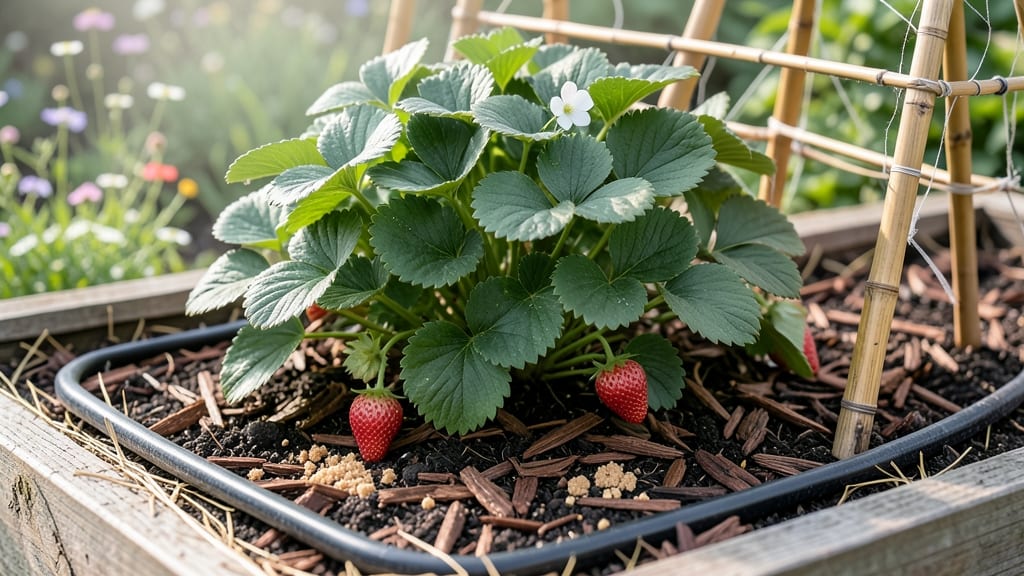
Your strawberries could be twice as big as the store-bought ones—if you focus on the soil. 🌱 The secret isn’t fancy fertilizers or rare varieties, but getting the foundation right from day one.
I’ve grown strawberries for over a decade, and the difference between tiny berries and jumbo-sized ones comes down to one thing: soil that’s rich, well-draining, and packed with the nutrients strawberries crave. Most gardeners overlook soil prep, thinking it’s just dirt.
But strawberries are heavy feeders—they need organic matter like composted leaves or well-rotted manure mixed into the soil before planting. A simple soil test reveals what’s missing, and amending it with a balanced fertilizer (like 10-10-10) gives them the boost they need.
The payoff? Berries that plump up like they’re fighting gravity, not struggling for nutrients. By mid-summer, you’ll be picking golf-ball-sized strawberries instead of pea-sized ones. The key is consistency: regular watering (but never soggy soil), mulching to keep roots cool, and pruning old leaves to redirect energy.
Even my black-thumb neighbor’s strawberries started looking like showstoppers after trying this. This method works for both June-bearing and day-neutral varieties, and it’s foolproof for containers or in-ground beds. Let’s dig into the exact steps that’ll transform your harvest.
📚 In This Guide
- What you need
- Instructions
- Tips and common mistakes
- Wrapping up and next steps
What you need
- ● Strawberry plants: Choose June-bearing or everbearing varieties like 'Chandler,' 'Seascape,' or 'Albion' (6–12 plants, depending on space).
- ● Well-draining soil: Mix 1 part compost (high in organic matter) with 2 parts garden soil or use a strawberry-specific potting mix (5–10 gallons per plant).
- ● Balanced fertilizer: A 10-10-10 or 5-10-10 NPK blend (1–2 tbsp per plant at planting time).
- ● Mulch: Straw or pine needles (2–3 inches thick) to retain moisture and suppress weeds.
- ● Drip irrigation or soaker hose: For consistent watering (avoid overhead sprinklers).
- ● Pruning shears: Sharp, clean pair for trimming runners and dead foliage.
- ● Epsom salt: Magnesium sulfate (1 tbsp per gallon of water, monthly) for greener leaves and bigger fruit.
- ● Fish emulsion or compost tea: Organic liquid fertilizer for a nutrient boost.
- ● Row covers or netting: To protect berries from birds and pests.
- ● pH test kit: Ideal soil pH for strawberries is 5.5–6.5 (adjust with lime or sulfur if needed).
- ● Strawberry pots or raised beds: For better drainage and pest control (especially in small spaces).
Step-by-step instructions for growing jumbo strawberries
Here's the soil-focused method I've used to grow strawberries twice their usual size—no fancy fertilizers, just smart cultivation.
🌱 Step 1: Amend Soil for Optimal Nutrient Density
Strawberries need loose, well-draining soil with high organic matter to develop those signature jumbo berries. Work 4-6 inches of compost into the topsoil for every 1 square foot of bed. I like to mix in a handful of aged manure (like cow or horse) for extra nitrogen without burning roots.
Test your soil's pH—strawberries thrive in 5.5-6.5 range. If your soil runs acidic, add lime (about 1/2 pound per 100 square feet) and retest in 2-3 months. Compacted soil? Loosen it with 1 inch of coarse sand or perlite to prevent root suffocation.
☀️ Step 2: Plant in Full Sun with Strategic Spacing
Jumbo strawberries demand 6-10 hours of direct sun daily. Choose a site where they'll receive morning sunlight and afternoon shade in hot climates—this prevents sunburn on developing berries. Space plants 18-24 inches apart in rows 3 feet apart to allow air circulation and easy harvesting.
Plant crowns (the area between roots and leaves) just above soil level. Burying them too deep causes rot, while planting too high stresses plants. Water thoroughly after planting to settle soil around roots, then let it dry slightly before watering again.
💧 Step 3: Implement Precision Watering for Berry Growth
Consistent moisture is key—strawberries need 1-1.5 inches of water weekly, delivered at soil level (not overhead) to prevent fungal diseases. I water deeply 2-3 times per week rather than daily shallow watering, which encourages deeper root growth and larger berries.
Watch for dry soil 1-2 inches below the surface before watering again. Mulch with 2-3 inches of straw to retain moisture and suppress weeds. Avoid wetting leaves during watering—this is how gray mold starts.
✂️ Step 4: Prune and Fertilize for Maximum Yield
Remove old leaves and runners in early summer to redirect energy to fruit production. I snip runners just as they emerge—keeping them on reduces berry size. Fertilize lightly with balanced 10-10-10 (about 1/4 pound per 100 square feet) in early spring and again after harvest.
For bigger berries, thin clusters so each plant supports no more than 6-8 berries. Larger berries develop when the plant isn't overburdened. Remove any berries that form on crowns or leaves—these won't grow properly and waste plant energy.
🌿 Step 5: Protect and Harvest at Peak Ripeness
Use row covers if birds or pests are an issue—strawberries are a prime target. Harvest berries when they're fully red and slightly soft to touch. Never pick green berries—they won't ripen off the plant. Twist gently to avoid damaging stems.
Here's the thing—jumbo strawberries need patience. It takes 2-3 years for established plants to reach their full potential. But once they do, you'll see berries 2-3 times larger than store-bought varieties, with intense flavor and fewer seeds.
Tips & tricks for growing jumbo strawberries
These soil-focused strategies will help you grow strawberries that rival the biggest market finds—without needing a greenhouse.
Soil Preparation Matters: When amending your soil with 4-6 inches of compost per square foot, don't just dump it on top. Work it into the existing soil down to 6 inches deep—this creates a nutrient-rich zone where roots can expand freely. I use a broadfork to loosen compacted soil before adding compost, which prevents root suffocation that stunts berry growth. The goal is to create a fluffy, almost cake-like texture that holds moisture while allowing drainage.
Sunlight Strategy: That 6-10 hours of daily sun is non-negotiable for jumbo strawberries, but here's the secret: position your plants to receive morning sun and afternoon shade in hot climates. I've found that afternoon shade prevents sunburn on developing berries while still allowing enough light for photosynthesis. If you're in a particularly hot region, consider using shade cloth (30-50% coverage) during peak afternoon hours—this can actually increase berry size by reducing stress on the plants.
Watering Wisdom: The 1-1.5 inches of weekly water recommendation might seem like a lot, but it's crucial for those giant berries. I use a rain gauge to track rainfall and only supplement when needed. The key is consistency—let the top 1-2 inches of soil dry out between waterings. This encourages roots to grow deeper in search of moisture, which leads to stronger plants capable of supporting larger fruit. And always water at the base, never overhead—this simple habit prevents gray mold that can ruin entire crops.
Pruning Precision: When thinning clusters to no more than 6-8 berries per plant, don't just remove the smallest ones. Look for berries that are already showing signs of stress or disease—these are the ones to sacrifice for the health of the whole plant. I also recommend removing any berries that form on the crowns or leaves, as these will never reach full size and actually drain energy from the good ones. This might seem counterintuitive, but it's what transforms average strawberries into true giants.
Pro Tips for Get Big Strawberries
- These soil-focused strategies will help you grow strawberries that rival the biggest market finds—without needing a greenhouse.
- Soil Preparation Matters: When amending your soil with 4-6 inches of compost per square foot, don't just dump it on top.
- Sunlight Strategy: That 6-10 hours of daily sun is non-negotiable for jumbo strawberries, but here's the secret: position your plants to receive morning sun and afternoon shade in hot climates.
Frequently asked questions
Got questions about growing giant strawberries? You’re not alone! Here are answers to the most common queries—from soil prep to troubleshooting—so you can grow those juicy, oversized berries with confidence.
What’s the best soil mix for giant strawberries?
Strawberries thrive in well-draining, slightly acidic soil (pH 5.5–6.8). Mix 50% compost, 30% peat moss or coconut coir, and 20% perlite or coarse sand for optimal aeration. Avoid heavy clay—it causes root rot and stunts berry size. Pro tip: Add a handful of worm castings for extra nutrients!
How long does it take for strawberries to grow big?
Patience is key! June-bearing varieties take 60–90 days from planting to harvest, while everbearing/day-neutral types produce fruit in 30–50 days after flowering. For jumbo berries, focus on consistent watering and fertilization—skipping these steps delays growth. Remember: Big berries need time and care!
Why are my strawberries small, even with good care?
Small berries often mean overcrowding, poor pollination, or nutrient deficiencies. Check for:
- Spacing: Plants need 12–18 inches apart (more = bigger berries!).
- Pollinators: Hand-pollinate with a soft brush if bees are scarce.
- Fertilizer: Use a balanced 10-10-10 or low-nitrogen option (too much N = leafy growth, tiny fruit).
- Water stress: Drought or soggy soil shrinks berries—aim for 1–1.5 inches of water weekly.
Can I grow big strawberries in containers?
Use a 5-gallon pot or larger with drainage holes, and fill it with the ideal soil mix. Choose compact varieties like ‘Albion’ or ‘Seascape’—they thrive in containers. Key tip: Rotate pots weekly for even sunlight exposure, and fertilize every 2–3 weeks during growing season. Container-grown berries can rival garden giants!
Do I need to prune strawberries for bigger fruit?
Yes! Pruning removes old leaves and runners, redirecting energy to fruit production. After harvest, trim yellow/brown leaves and weak runners. For everbearing varieties, also prune old foliage in early spring to boost new growth. Skip this step, and your plants may produce more but smaller berries.
Will frost hurt my strawberry plants or berries?
Frost can ruin blossoms or developing fruit, but young plants are hardier. Protect berries with:
- Row covers (lightweight fabric) for light frosts (28–32°F).
- Cloche or plastic tunnel for hard frosts (<28°F).
- Watering (before frost hits) to insulate roots.
Wrapping up and next steps
Growing big, juicy strawberries is all about patience, the right soil, and a little love—but trust us, it’s worth the effort! 🌱 With the perfect mix of nutrients, proper spacing, and smart pest control, you’ll be harvesting those jumbo berries in no time.
Remember, healthy soil equals happy plants, so keep testing and adjusting as you go.
Now that you’re armed with the soil secrets, it’s time to roll up your sleeves and get planting! Start small, track your progress, and soon you’ll be the proud gardener of the neighborhood’s biggest strawberries. Happy growing! 🍓✨