
Pests
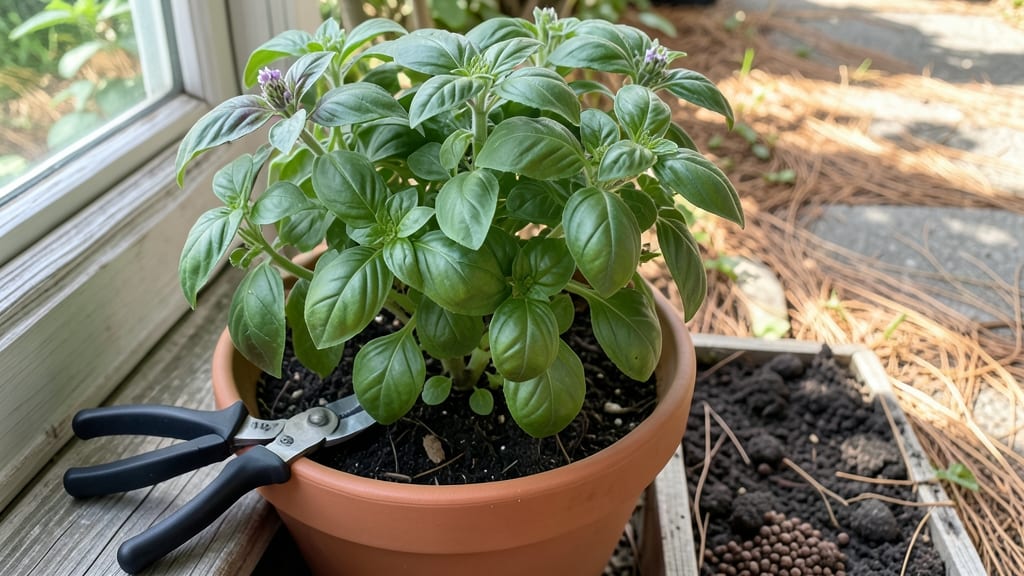
Here’s how to get bushy basil—your leafy monster isn’t a myth, but a pruning hack away. ✨ The secret to bushy basil isn’t magic—it’s pruning and pinching at the right times, paired with the perfect growing conditions.
I’ve turned my once-skinny plants into dense, productive bushes just by following these simple steps. Start with bright light (6+ hours daily) and well-draining soil. Overwatering or poor drainage sends roots into survival mode, stunting growth.
Once your plant has 4-6 true leaves, pinch the top set—this forces energy into side branches instead of one long stem. Repeat every 2-3 weeks, and you’ll see new growth sprouting within days. By midseason, you’ll have a thick, leafy plant that produces more than store-bought basil ever could.
The key is consistency: prune regularly, avoid overcrowding, and keep it fed with a balanced fertilizer. Even my black thumb can’t kill these with this method. Works for both potted plants and garden beds. Here’s how to do it right—no guesswork, just results.
📚 In This Guide
- What you need
- Instructions
- Tips and common mistakes
- Wrapping up and next steps
What you need
- ● Basil plants: 1-2 healthy basil plants (potted or seedlings). Look for Genovese, Thai, or Purple basil for best results.
- ● Well-draining potting soil: 1 bag (1-2 cubic feet) of high-quality, organic potting mix. Avoid garden soil—it can compact and suffocate roots.
- ● Containers: For seedlings: 2-3 small pots (4-6 inches wide) with drainage holes.
- ● For mature plants: 1 large container (10+ inches wide) or garden bed with full sun exposure (6+ hours/day).
- ● Pruning shears or clean scissors: Sharp, sterilized tools to avoid spreading disease.
- ● Watering can or spray bottle: For gentle, even watering (avoid soggy soil!).
- ○ Balanced liquid fertilizer (optional but recommended): 1 bottle (e.g., 10-10-10 or fish emulsion) to boost growth.
- ● Garden gloves: Protect your hands from prickly stems or soil.
- ● Plant markers: Label your basil varieties if growing multiple types.
- ● Mulch or pebbles: Retain moisture and keep roots cool in hot climates.
- ● Grow lights (for indoors): LED or fluorescent lights if natural sunlight is limited.
- ● Compost or worm castings: Mix into soil for extra nutrients.
Step-by-Step instructions for pruning and pinching basil
Here's how to transform leggy basil into a lush, leafy bush—no fancy tools required.
🌱 Step 1: Identify and Remove Flower Stems Immediately
Basil's first priority is flowering, not leaf production. The moment you spot a tiny flower bud (usually at the leaf axils), pinch it off with your fingers or clean pruners. These buds steal energy from leaf growth, causing your plant to slow down or even bolt—turning bitter and woody.
Check your basil every 3-4 days during active growth. I like to do this in the morning when stems are firm and buds are easiest to spot. If you miss a flower, remove the entire stem back to a leaf node—this encourages branching and more leafy growth.
✂️ Step 2: Pinch the Top Growth When Stems Reach 6 Inches
Pinching is the secret to bushy basil. When your main stems hit 6 inches tall (about 4-6 weeks after transplanting), use your thumb and forefinger to pinch off the top set of leaves. This removes the apical bud—the plant's growth hormone center—and forces energy into side branches.
You'll see new growth sprouting from the leaf axils within 7-10 days. These side shoots will develop into sturdy stems, creating that classic basil bush shape. Don't pinch too early—waiting until stems are thick enough ensures stronger regrowth.
🌿 Step 3: Prune Lower Leaves to Encourage Airflow
Once your basil has 4-6 sets of true leaves, remove the largest lower leaves. This improves airflow, reducing humidity around the plant and preventing fungal diseases like downy mildew. Use clean pruners to cut just above a leaf node, leaving the stem intact for new growth.
Here's the thing—removing leaves might seem counterintuitive, but it actually stimulates the plant. The energy that would've gone into maintaining those big lower leaves now fuels the new growth at the top and sides. You'll notice bushier growth within 2-3 weeks of this pruning.
☀️ Step 4: Rotate and Maintain Consistent Light
Basil needs 6-8 hours of direct sunlight daily to stay bushy and productive. If your plant starts leaning toward the light, rotate the pot a quarter turn every 2-3 days. This ensures even growth and prevents lopsided plants.
Watch for pale yellowing leaves—this is your sign the plant isn't getting enough light. Move it closer to the window or supplement with a grow light 6-12 inches above the plant. Strong, healthy basil leaves should be deep green and slightly waxy.
💧 Step 5: Water at the Base and Fertilize Lightly
Water basil when the top inch of soil feels dry. I use a watering can with a narrow spout to water at the base, avoiding the leaves to prevent fungal issues. Overwatering causes root rot, which stunts growth and makes plants leggy again.
Feed your basil with a balanced liquid fertilizer (10-10-10) diluted to half strength every 4-6 weeks during active growth. Too much fertilizer causes rapid, weak growth that's prone to bolting. You'll know you're doing it right when new leaves appear bright green and crisp.
Tips & tricks for pruning and pinching basil
Real talk: The difference between a leggy, sad basil plant and a thriving, leafy bush comes down to these simple but critical steps.
Timing is Everything: In Step 1, don't wait for flowers to appear—they'll steal energy from your plant's growth. That every 3-4 days check isn't just a suggestion; it's your best defense against bolting. I've seen plants go from perfect to bitter in just 7 days when flowers were ignored. Morning inspections work best because stems are firmer and buds are easier to spot.
The Technique That Changed Everything: When you pinch in Step 2, aim for the top set of leaves—this removes the apical bud where all the growth hormones concentrate. Here's what nobody tells you: Use your thumb and forefinger to pinch, not cut. This prevents damage to the stem that could introduce bacteria. You'll know you're doing it right when you see new growth sprouting from the leaf axils within 7-10 days—that's when the real magic happens.
Light Strategy: The 6-8 hours of sunlight in Step 4 isn't just about quantity—it's about quality. If your basil starts leaning, you're dealing with light deprivation. I've seen plants grow toward a single window and become completely lopsided. Rotate your pot every 2-3 days to keep growth even. For indoor growers, a grow light 6-12 inches above the plant can make all the difference—just don't let it get too close or you'll burn the leaves.
Pruning Wisdom: In Step 3, when you remove those lower leaves, you're not just improving airflow—you're redirecting the plant's energy. Think of it like giving your basil a spa day: less maintenance for the old leaves means more resources for the new growth. The 2-3 weeks it takes to see results might feel slow, but that's when you'll notice the real transformation in your plant's shape and leafiness.
Pro Tips for Get Bushy Basil
- Real talk: The difference between a leggy, sad basil plant and a thriving, leafy bush comes down to these simple but critical steps.
- Timing is Everything: In Step 1, don't wait for flowers to appear—they'll steal energy from your plant's growth.
- The Technique That Changed Everything: When you pinch in Step 2, aim for the top set of leaves—this removes the apical bud where all the growth hormones concentrate.
Frequently asked questions
Got questions about growing bushy basil?
You’re not alone! Here are answers to the most common ones—so you can keep your plants thriving and lush.
How often should I pinch basil to keep it bushy?
Pinch basil every 2–3 weeks once it’s 6–8 inches tall. This encourages branching and prevents legginess. Stop pinching when you’re ready to harvest heavily—typically in late summer. Over-pinching can stress the plant, so balance is key!
How long does it take for basil to get bushy after pinching?
You’ll usually see new growth within 1–2 weeks of pinching. If your basil isn’t responding, check its light (6+ hours of sun/day) and water (keep soil moist but not soggy). Patience pays off—consistent care yields the best results!
What if my basil keeps growing tall and skinny instead of bushy?
Leggy basil often means too little light or overcrowding. Move it to a sunnier spot (or under grow lights) and thin out nearby plants. If it’s already stretched, pinch the top growth to redirect energy to side branches. Avoid fertilizing heavily—basil prefers lean soil.
Can I prune basil too much? What are the signs?
Yes! Signs of over-pruning include yellowing leaves, stunted growth, or bare stems. If this happens, reduce pinching and let the plant recover. Basil is resilient—just avoid cutting more than 1/3 of the plant at once. Focus on new growth, not old wood.
What’s the best alternative if my basil won’t get bushy?
If basil struggles in your climate, try thyme, oregano, or cilantro—they’re hardy and bushy with minimal effort. For basil lovers, consider Genovese or Spicy Globe varieties, which naturally grow fuller. Or grow basil indoors under LED lights for better control!
Wrapping up and next steps
Growing a lush, bushy basil plant is totally within your reach—just remember: prune, pinch, and protect! With the right techniques, you’ll enjoy a bountiful harvest of flavorful leaves all season long. 🌿✨
Now that you’re armed with tips, grab those shears and get pruning! Start small, stay consistent, and soon you’ll be the proud owner of a basil bush so full, it’ll make your kitchen (and your dishes) taste next-level. Happy growing! 🌱💚