
Blooming
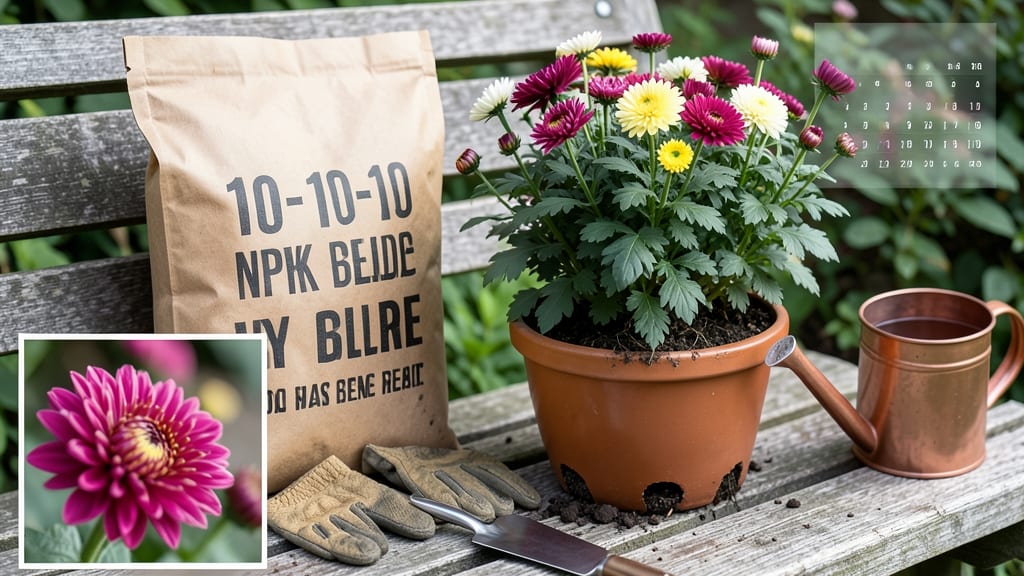
Step-by-Step heat shock method to trigger mum blooms early
If you’re eager to see those vibrant chrysanthemum blooms weeks before their usual schedule, heat shock is your secret weapon. This technique tricks mums into thinking summer has arrived, prompting them to bloom earlier.
The key is to apply controlled stress—like a gentle nudge—to accelerate their natural cycle without harming the plant.
Heat shock works best when applied in late spring or early summer, just as the plant begins active growth. Choose a day with warm but not scorching temperatures (ideally between 75°F and 85°F).
Avoid extreme heat, which can shock the plant too severely and cause damage. Think of it as a gradual wake-up call rather than a sudden jolt.
Before starting, ensure your mums are healthy with well-draining soil and moderate moisture. Water them the day before heat shock to prepare for the stress. Overwatered or dehydrated plants won’t respond well, so balance is critical. This step sets the stage for success.
Now, let’s dive into the step-by-step process to maximize your mums’ blooming potential. Follow these actions carefully to avoid common pitfalls and achieve the fastest, healthiest results.
🌡️ Step-by-Step Heat Shock Guide for Mums
- 🌱 Step 1: Choose the Right Time
Apply heat shock 6-8 weeks before your target bloom date. For early fall blooms, aim for late July. - ☀️ Step 2: Select a Sunny Spot
Move potted mums to a south-facing location or place them in direct sunlight for 4-6 hours. Use a greenhouse or cold frame for extra warmth. - 🌡️ Step 3: Gradually Increase Heat
Raise temperatures by 5-10°F per day over 3-5 days. Use a heat mat or row cover for controlled warmth. - 💧 Step 4: Monitor Soil Moisture
Keep soil evenly moist but not soggy. Reduce watering slightly during heat shock to prevent stress from overhydration. - 🌿 Step 5: Observe Plant Response
Watch for new buds forming or leaf color changes (darker green). If leaves wilt, reduce heat immediately. - ⏳ Step 6: Maintain Conditions
Continue heat exposure for 7-10 days, then gradually return plants to normal temperatures to avoid shock.
✅ Pro Tip: Use a thermometer to track soil and air temps—ideal range is 75°F to 85°F.
After completing the heat shock, your mums should start showing signs of accelerated growth, like taller stems or bud development. This is your cue that the technique worked! However, consistency is key—skip the heat shock if temperatures naturally spike above 90°F, as this can stress the plant unnecessarily.
For best results, pair heat shock with a light fertilizer application (like a 10-10-10 NPK mix) to provide the nutrients needed for blooming. Apply it 2-3 days after heat shock to avoid overloading the plant.
This combo ensures your mums not only bloom faster but also produce brighter, fuller flowers.
If you’re growing mums in containers, place them on a heat-absorbing surface like a patio stone or dark-colored tray to amplify warmth. This extra step can make a noticeable difference in blooming speed, especially in cooler climates. Just ensure the container has drainage holes to prevent root rot.
Remember, heat shock is a temporary stressor, not a permanent change. Once your mums begin blooming, return them to their usual care routine. Overusing this method can weaken the plant, so limit it to once per growing season for optimal results.
With patience and precision, your chrysanthemums will reward you with early, stunning blooms that brighten your garden weeks ahead of schedule. Keep an eye on their progress, and don’t hesitate to adjust the method if needed—every garden is unique! 🌼
Best heat shock timing and Environmental factors for faster blooms
Timing your heat shock for mums is just as critical as the method itself. Chrysanthemums respond best to controlled heat exposure 6-8 weeks before your target bloom date. For example, if you want vibrant flowers by September 1st, start heat shocking around July 15th in most climates.
This window aligns with the plant’s natural growth cycle, ensuring it transitions from vegetative growth to flowering mode without stress. The key is consistency—avoid abrupt temperature swings that can shock the plant prematurely or damage foliage.
🌼 Environmental factors like soil moisture and sunlight play supporting roles. Keep soil evenly moist (not soggy) during heat shock, as dehydration can trigger stress responses that delay blooming. Pair this with 6+ hours of direct sunlight daily to maximize photosynthesis and energy storage.
Seasonal timing also depends on your USDA hardiness zone. In zones 6–8, start heat shocking in mid-July for fall blooms. For cooler zones (5 or below), begin 2 weeks earlier to compensate for slower growth rates. Always monitor your plants—wilting or yellowing leaves signal overstress.
Pro tip: Use a soil thermometer to track underground temps. Ideal root-zone temps during heat shock should stay between 65°F–75°F. If your soil runs cooler, consider black plastic mulch to absorb and retain heat naturally.
Finally, pair heat shock with a light fertilizer application (like 10-10-10) 2 weeks before starting the process. This gives your mums a nutrient boost to handle the stress and store energy for faster blooming. Just skip heavy feeding during the heat shock itself—too much nitrogen can delay flowering.
☀️ With the right timing and conditions, you’ll see buds forming 2–3 weeks earlier than usual—without sacrificing plant health or vibrancy!