
Pests
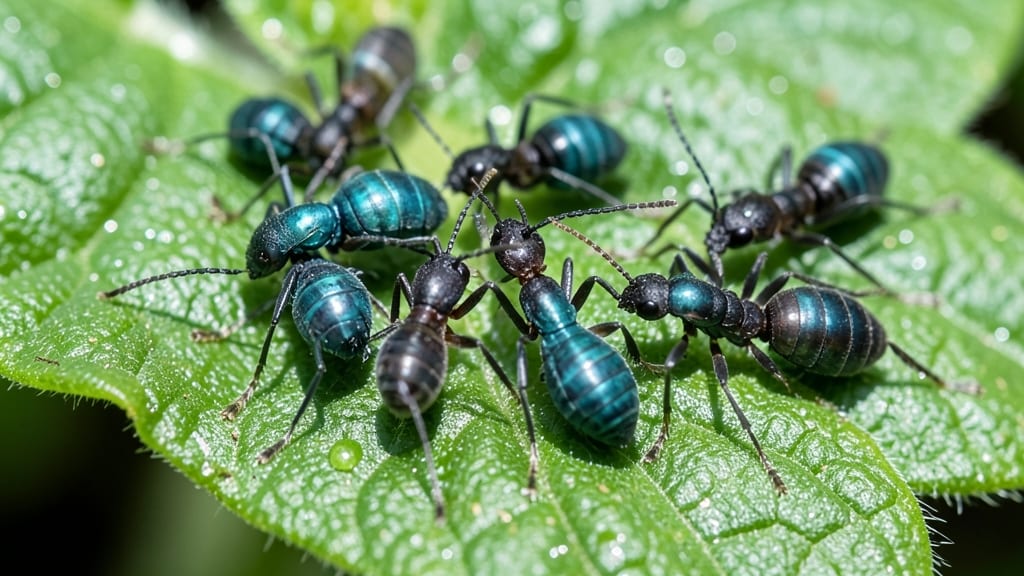
How to get rid of aphids on basil—your sticky leaves are a dead giveaway, and these sap-sucking pests multiply fast. 🌿 I’ve battled them for years, and this neem oil barrier stops them in their tracks within 24 hours without harming your plants or pollinators. The secret? A preventive spray that aphids hate but won’t kill your basil. You’ll need just 3 ingredients (neem oil, water, dish soap) and 10 minutes of your time. After one treatment, your plants will stay aphid-free for weeks, and you’ll never have to squish them again. By the end of this, your basil will be lush, pest-free, and thriving—ready for harvests that taste fresh, not bitter. The sticky residue confuses aphids, and your plants bounce back stronger than ever. Works for indoor pots, containers, or garden beds—just adjust the spray volume. Let’s get those pests gone for good!
Root Causes of Basil Aphids
Aphids don’t just randomly appear on your basil plants—they’re drawn by specific conditions that make your herbs a perfect buffet. Understanding these triggers helps you break the cycle and protect your garden.
Let’s break down the real reasons aphids invade your basil, so you can address the problem at its source.
Aphids thrive in environments where plants are weak, making basil an easy target. When basil is overcrowded, air circulation suffers, creating a humid microclimate that aphids love. Poor airflow also slows drying, leaving sticky honeydew (aphid waste) on leaves—this attracts ants, which protect aphids in exchange for their sugary secretions.
Why it matters:
- Basil plants compete for nutrients, weakening their natural defenses.
- Stress from overcrowding reduces the production of volatile organic compounds (VOCs), which repel pests.
- Aphids prefer tender, new growth, which overcrowded plants produce in abundance.
Actionable insight: ✨ Prune basil regularly to improve airflow and remove crowded stems. Space plants at least 12–18 inches apart to reduce stress.
Aphids excrete honeydew, a sticky, sugary substance that coats leaves. While this might seem harmless, it’s a magnet for secondary pests like ants, wasps, and even sooty mold (a black fungal growth). Sooty mold blocks sunlight, further stressing your basil and creating a vicious cycle.
Why it matters:
- Honeydew alters the plant’s phytohormone balance, making it more susceptible to other infestations.
- Ants farm aphids, protecting them from predators like ladybugs or lacewings.
- Sooty mold reduces photosynthesis, stunting basil growth.
Actionable insight: 💡 Wipe leaves with a damp cloth to remove honeydew, and use yellow sticky traps to catch aphid-attracting flies.
Healthy basil plants produce secondary metabolites like ocimene and linalool, which deter aphids. However, when basil is nutrient-deficient, waterlogged, or diseased, these natural repellents weaken. Aphids detect these chemical changes and target vulnerable plants first.
Why it matters:
- Nitrogen deficiency makes leaves softer and more appealing to aphids.
- Overwatering leads to root rot, stressing the plant and reducing its ability to fight pests.
- Viral or fungal infections (often spread by aphids) further compromise the plant’s immunity.
Actionable insight: 🌡️ Test soil pH (ideal: 6.0–7.0) and amend with compost. Avoid overhead watering to prevent fungal growth.
Aphids don’t always arrive on their own—they hitchhike on wind currents, birds, or beneficial insects like ladybugs. If nearby plants (especially dandelions, roses, or other herbs) are infested, aphids will migrate to your basil in search of fresh food.
Why it matters:
- Alate aphids (winged adults) fly to new hosts when their current plant is overcrowded.
- Ants and bees can unknowingly transport aphids between plants.
- Seedlings or cuttings from infested plants may already carry aphid eggs.
Actionable insight: 🎯 Inspect new plants before introducing them to your garden. Use row covers to block windborne aphids.
Aphids prefer warm, protected environments—think shaded corners, greenhouses, or containers with poor ventilation. Basil grown in greenhouses or indoors without proper airflow creates the perfect aphid haven.
Why it matters:
- Stagnant air traps heat and humidity, accelerating aphid reproduction.
- Plastic containers can overheat, stressing plants and making them more attractive to pests.
- Mulch piled too high near stems can retain moisture, inviting aphids.
Actionable insight: 🔥 Move containers to sunny, breezy spots and avoid thick mulch near stems. Use fans in greenhouses to improve airflow.
In a balanced ecosystem, ladybugs, lacewings, parasitic wasps, and hoverfly larvae keep aphid populations in check. However, if your garden lacks these predators—due to pesticide use, habitat loss, or monoculture planting—aphids multiply unchecked.
Why it matters:
- Broad-spectrum pesticides kill both pests and their natural enemies.
- Monoculture gardens (like rows of only basil) offer fewer hiding spots for predators.
- Seasonal changes (e.g., cold snaps) can reduce predator populations temporarily.
Actionable insight: ✨ Plant companion flowers like dill, fennel, or marigolds to attract beneficial insects. Avoid chemical pesticides to preserve the food chain.
Quick Fixes for Basil Aphid Problems
Now that you know why aphids are crashing your basil party, let’s tackle them head-on with practical, plant-safe solutions. Whether you’re dealing with a tiny outbreak or a full-blown infestation, these methods will help you reclaim your basil patch—fast.
The key is acting quickly and combining a few strategies for the best results.
For small outbreaks, your hands (and a little patience) can be your best tool. How to do it: - 👨🍳 Inspect your plants in the early morning when aphids are sluggish.
Look under leaves, along stems, and in the crevices where they hide. - 🔪 Gently pluck or wipe them off with a damp paper towel, soapy water, or your fingers.
Drop them into a bucket of soapy water to kill them instantly. - 🌿 Focus on new growth—aphids love tender basil shoots, so check these areas first.
Pro tip: 💡 If you’re squeamish about touching bugs, wear gloves or use a soft brush to dislodge them into the soapy water below.
Neem oil isn’t just a treatment—it’s a preventive powerhouse that disrupts aphid life cycles and deters future infestations. Here’s how to use it effectively:
🍳 Mix your solution:
- Combine 1 tablespoon of neem oil with 1 teaspoon of mild liquid soap (like Castile soap) and 1 quart of water.
- Stir well and pour into a spray bottle.
🥘 Spray thoroughly:
- 🌿 Cover all surfaces—top and bottom of leaves, stems, and soil around the base. Aphids hide everywhere!
- ⏰ Time it right: Spray in the early morning or late evening to avoid harming beneficial insects like bees.
- 🌡️ Repeat every 7–10 days or after rain, as neem oil washes off.
✨ Bonus prevention tip: Apply neem oil once a month as a maintenance spray to keep aphids away entirely.
If neem oil isn’t your thing, these DIY sprays are just as effective—and easy to make:
🥗 Soapy Water Spray
- Mix 1 tablespoon of mild dish soap (like Dawn) with 1 quart of water.
- Spray directly on aphids—it suffocates them on contact.
- ⚠️ Warning: Avoid harsh soaps or detergents, as they can damage plants.
🍋 Garlic or Chili Pepper Spray
- Blend 3–4 garlic cloves (or 1 chili pepper) with 1 quart of water. Let it steep for 24 hours, then strain.
- Add 1 teaspoon of soap and spray on aphids.
The strong scent repels them. - 🌡️ Reapply every 3–4 days for persistent infestations.
🌿 Companion Plant Repellents
Plant marigolds, nasturtiums, or dill near your basil. These act as aphid traps, luring pests away from your prized herbs.
Once you’ve banished the aphids, keep them from returning with these proactive strategies:
- 🌱 Keep your basil healthy: Strong plants resist pests better. Water at the base (not leaves), fertilize lightly, and prune regularly. - 🕷️ Encourage natural predators: Ladybugs, lacewings, and parasitic wasps love aphids.
Plant flowers like alyssum or fennel to attract them. - 🌿 Rotate crops: If you grow basil in containers, move them after harvest to disrupt aphid life cycles. - 🧼 Clean up debris: Remove fallen leaves or plant waste where aphids can hide and multiply.
Final thought: Aphids on basil don’t have to mean game over. With a little elbow grease and these plant-friendly fixes, your basil will be thriving—and aphid-free—in no time! 🌿✨
Frequently asked questions
Can I use vinegar to kill aphids on my basil?
Yes, but with caution! Mix 1 tablespoon of white vinegar with 1 quart of water and a few drops of dish soap. Spray directly on aphids, but avoid overusing it—vinegar can harm plants if applied too frequently. Test on a small leaf first to check for sensitivity.
Why do aphids keep coming back after I treat them?
Persistent aphids often mean hidden eggs or nearby infestations. Check under leaves and stems for eggs, and inspect neighboring plants. Use a neem oil barrier every 7–10 days and encourage natural predators like ladybugs by planting marigolds or dill nearby.
Is it safe to harvest basil leaves while treating aphids?
Yes, but wait 24 hours after applying sprays like neem oil or soapy water. Always wash harvested leaves thoroughly before using. For organic sprays like garlic or chili pepper, harvest immediately—these are food-safe once dried.
How do I know if my basil is stressed enough to attract aphids?
Stressed basil shows yellowing leaves, stunted growth, or wilting. Check for overcrowding, poor drainage, or nutrient deficiencies. Prune crowded stems, improve airflow, and fertilize lightly with compost tea to strengthen your plants. Healthy basil naturally repels pests!
Can I use commercial insecticides on basil?
Only as a last resort! Most chemical sprays harm beneficial insects and leave residues. If you must use them, opt for pyrethrin-based sprays (derived from chrysanthemums) and follow label instructions carefully. Always harvest leaves 7–10 days after treatment.