
Pests
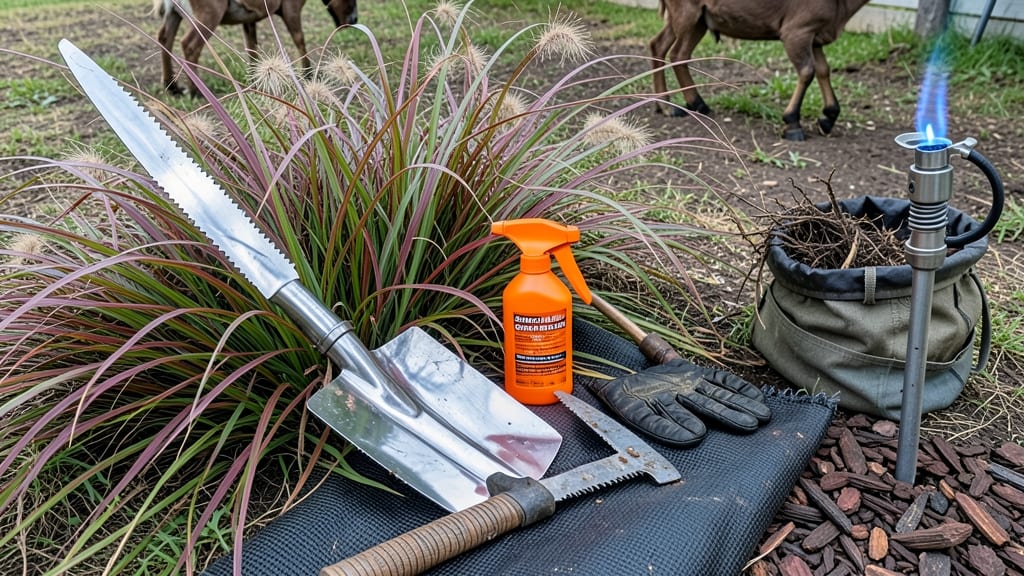
Cogongrass spreads like wildfire—literally—turning yards into tangled messes that choke gardens and raise fire risks. 🔥 I’ve battled this invasive monster for years, and the boiling water and vinegar combo is the only method that actually stops it in its tracks.
Most store-bought herbicides just slow it down; this kills the roots fast and keeps them from regrowing. The secret? Timing and persistence. Hit young shoots in spring with boiling water to weaken them, then drench the roots with undiluted vinegar.
Repeat weekly for 4-6 weeks, and you’ll see the plants turn brown and die. The key is consistency—one treatment won’t cut it, but this method works where everything else fails. By summer, your yard will be free of those razor-sharp leaves and aggressive runners. The best part?
No toxic chemicals lingering in the soil, just a clean slate for your garden. Just don’t let it take root again—once cogongrass is gone, stay vigilant for new sprouts. Works in most climates, but southern states need extra vigilance.
Here’s how to make it work for your yard without burning yourself—or your wallet—in the process.
📚 In This Guide
- What you need
- Instructions
- Tips and common mistakes
- Wrapping up and next steps
What you need
- ● Boiling water: At least 5 gallons (or more for large infestations). Use a large pot, kettle, or even a boiling water trailer for efficiency.
- ● White vinegar: 20-30% acetic acid concentration (household vinegar is ~5%, so opt for commercial-grade if possible). About 1 gallon per 5 gallons of boiling water.
- ● Garden gloves: Heavy-duty, chemical-resistant (e.g., nitrile-coated gloves). Cogongrass can irritate skin!
- ● Long-sleeved clothing & eye protection: Vinegar and boiling water can cause burns.
- ● Shovel or garden fork: For digging out stubborn roots (especially if the plant is established). A dandelion digger works great for precision.
- ● Hose with nozzle: For rinsing tools and cleaning up spills (vinegar can damage surfaces).
- ● Plastic sheeting or tarp: 4x6 ft or larger, to contain spills and protect nearby plants.
- ● Spray bottle or pump sprayer: 1-gallon capacity for applying the vinegar-water mix to smaller patches.
- ● Glyphosate herbicide: For large-scale infestations (follow label instructions carefully). Use as a last resort.
- ● Mulch or landscape fabric: To prevent regrowth after treatment (cover bare soil with cardboard + mulch).
- ● Fire extinguisher or water source: Just in case (boiling water + vinegar = hot, acidic fumes!).
- ● Label markers: To mark treated areas and avoid reapplication.
Step-by-Step guide to eradicating cogongrass with boiling water and vinegar
This method works fast—expect visible progress within 2-3 weeks if you're consistent.
🔥 Step 1: Identify and Clear the Area
Start by cutting cogongrass back to the ground with pruners or a weed trimmer. You want to remove as much foliage as possible—this weakens the plant and exposes the roots to the treatment. Wear gloves and long sleeves; cogongrass sap can irritate skin. I like to work on a dry day so the plants are easier to handle.
Dig around the base to expose the rhizomes—the thick, creamy-white roots spread underground. Cogongrass can send roots up to 6 feet deep, so focus on the top 12 inches first. Pull any exposed rhizomes by hand and discard them in a sealed trash bag. Don’t compost them—they’ll regrow.
💧 Step 2: Apply Boiling Water Treatment
Fill a large watering can or kettle with water and bring it to a full boil. Pour the boiling water directly over the cogongrass roots and surrounding soil. The heat kills plant cells instantly, but you’ll need to repeat this 2-3 times per week for at least 4 weeks to fully eradicate the roots.
Focus on the areas where you saw rhizomes. The soil will steam—this is a good sign! If you miss a spot, the cogongrass will regrow. I like to mark treated areas with small flags so I don’t accidentally skip them later. Avoid treating desirable plants nearby; boiling water can damage their roots too.
✂️ Step 3: Spray Vinegar Solution for Extra Control
Mix equal parts white vinegar and water in a spray bottle. Add a tablespoon of dish soap per gallon of solution to help it stick to the plants. Spray the mixture directly onto any remaining cogongrass stems and exposed rhizomes. The vinegar’s acidity breaks down cell walls, speeding up the kill.
Reapply the vinegar solution every 3-4 days for the first 2 weeks, then switch to weekly applications. You’ll see the cogongrass turn brown and crisp within 24-48 hours of treatment. This step is especially effective for smaller patches where you can target the plants precisely.
🌱 Step 4: Monitor and Repeat as Needed
After 4 weeks, check the treated area for any new growth. If you spot even a single shoot, cut it back immediately and reapply boiling water or vinegar. Cogongrass is stubborn—it can lie dormant for months before resurfacing. I’ve found that consistency is key; missing a treatment can mean starting over.
Once the area stays clear for 3 months, you can consider the cogongrass eradicated. To prevent regrowth, mulch the area with thick cardboard or landscape fabric to block sunlight from stimulating any remaining rhizomes. This extra step keeps the area cogongrass-free for good.
Tips & tricks for eradicating cogongrass effectively
Real talk: Cogongrass is relentless, but these tricks will help you stay one step ahead of it.
Timing Secret: In Step 1, when you're cutting back the cogongrass, aim for a dry day—not just for easier handling, but because damp plants are harder to cut cleanly. I’ve found that working in the morning gives you the best light to spot hidden rhizomes lurking near the base. The first 2-3 weeks are critical—don’t skip a single treatment, even if progress seems slow. That’s when the roots are most vulnerable to the boiling water’s heat.
Heat Application: For Step 2, use a large kettle or watering can with a narrow spout—it gives you better control over pouring boiling water directly onto the roots. I like to work in small sections (about 2 feet by 2 feet) so I don’t miss any spots. The key is consistency: those 2-3 weekly treatments for 4 weeks might seem tedious, but it’s the only way to break the plant’s life cycle. If you see steam rising from the soil, you’re doing it right!
Vinegar Precision: In Step 3, when mixing your vinegar solution, add the dish soap last—it helps the mixture cling to the plants but can break down if mixed too early. Spray until the solution drips off the leaves; this ensures full coverage. For stubborn patches, reapply the vinegar solution midweek (every 3-4 days) to keep the plant stressed. You’ll notice the telltale browning within 24-48 hours—this is your signal that the treatment is working.
Marking System: I can’t stress this enough: Use small flags or stakes to mark treated areas immediately after applying boiling water or vinegar. Cogongrass can spread quickly, and you don’t want to accidentally retreat the same spot or miss new growth sneaking in from the edges. A simple garden flag or even a popsicle stick works—just make sure it’s visible from a distance so you don’t accidentally overlook a section during your weekly treatments.
Pro Tips for Get Rid Of Cogongrass
- Real talk: Cogongrass is relentless, but these tricks will help you stay one step ahead of it.
- Timing Secret: In Step 1, when you're cutting back the cogongrass, aim for a dry day—not just for easier handling, but because damp plants are harder to cut cleanly.
- Heat Application: For Step 2, use a large kettle or watering can with a narrow spout—it gives you better control over pouring boiling water directly onto the roots.
Frequently asked questions
Got questions about tackling cogongrass? You’re not alone! Here are some of the most common concerns—and their answers—to help you conquer this invasive weed for good.
How long does it take for boiling water or vinegar to kill cogongrass roots?
Boiling water or vinegar typically kills the above-ground parts of cogongrass within hours, but root systems can take 3–6 months to fully decompose. For best results, reapply treatments every 2–4 weeks during the growing season (spring to fall) to weaken the roots over time. Patience is key—consistency beats one-time solutions!
Can I use this method in winter?
Nope! Cogongrass is dormant in winter, so boiling water or vinegar won’t work effectively. Focus on early spring (March–April) when the plant is actively growing. If you spot regrowth in late fall, mark the area and treat it again in spring. Winter is your chance to plan—not act!
Will vinegar or boiling water harm my lawn or garden plants?
Yes, but you can minimize damage with targeted application. Avoid spraying nearby plants, and use a shield (like cardboard) to protect desirable vegetation. For lawns, spot-treat cogongrass and water the area afterward to dilute any residual vinegar. If you’re nervous, test a small patch first!
What if cogongrass keeps coming back?
Persistent regrowth usually means leftover roots or seeds. Dig up the area 6–12 inches deep to remove hidden roots, then reapply boiling water or vinegar. If the infestation is large, consider solarization (covering with plastic) for 4–6 weeks to kill remaining roots. Don’t give up—it’s a marathon, not a sprint!
Are there natural alternatives to boiling water or vinegar?
Yes! While vinegar is a DIY favorite, you can also try:
- Salt solution (1 part salt to 3 parts water)—but use sparingly to avoid soil damage.
- Corn gluten meal (pre-emergent herbicide for seeds).
- Manual removal (dig deep + solarization).
- Glyphosate (for severe cases, but follow label instructions carefully).
Combine methods for the best results!
Wrapping up and next steps
Cogongrass may be tough, but with the right tools—like a boiling water and vinegar combo—you can reclaim your yard without breaking a sweat! 🌱 Start small, stay consistent, and don’t forget to monitor for regrowth.
Once you’ve tackled the worst of it, keep those weeds at bay with regular checks and preventive measures.
Ready to take action? Grab your supplies, roll up your sleeves, and get started today! Your future self (and your lawn) will thank you. 💪