
Lawn
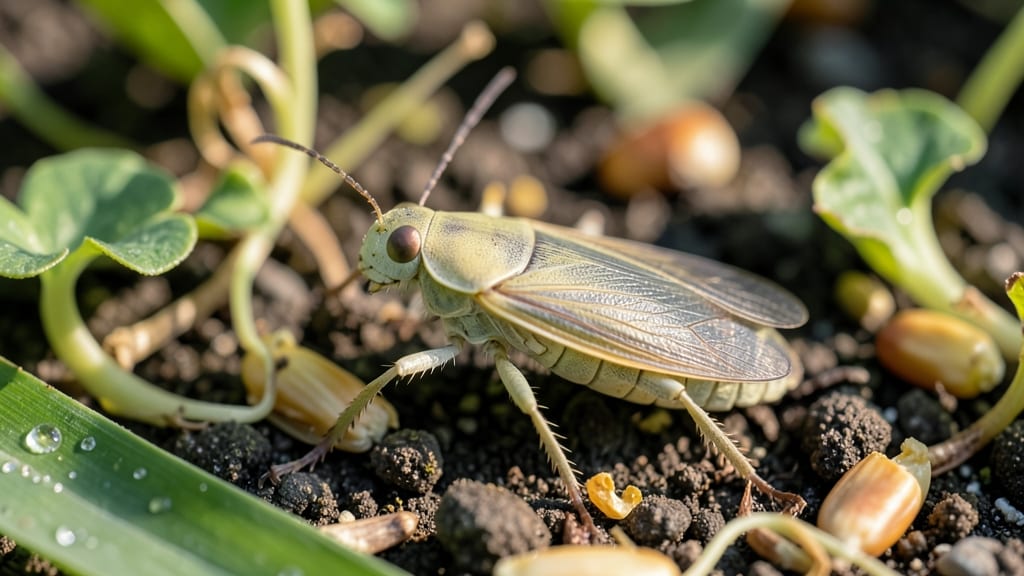
How to get rid of seed bugs—those tiny pests are turning your seedlings into a buffet. 🌱 The good news? A few targeted organic sprays and smart soil habits can break their life cycle faster than they can chew through your starter plants.
Most seed bugs—like seedcorn maggots or weevils—thrive in damp, nutrient-poor soil where seedlings are weak. The first step is drying out the soil surface and adding composted organic matter to starve them out.
Then, a simple neem oil spray (1 tablespoon per gallon of water) disrupts their feeding and breeding patterns.
You’ll see new seedlings emerge within 10-14 days without the telltale holes or wilting. The key is consistency: repeat sprays every 5-7 days until germination is complete, and always start with healthy, disease-free seeds.
Prevention is even easier—just rotate crops, avoid overwatering, and let soil dry between plantings. These pests hate competition, so healthy soil and strong seedlings make them move on.
Root Causes Of Seed Bug Infestations
Seed bugs—those tiny, pesky invaders that thrive in lawns, gardens, and seed beds—don’t just appear out of nowhere. Their presence is often a direct response to environmental cues, human habits, or even the natural lifecycle of your plants.
Understanding these triggers is the first step to breaking their cycle. Here’s why these critters show up uninvited and how their behavior ties to your landscape.
Seed bugs, including species like the seedcorn maggot or wireworms, are drawn to plants that are already stressed or compromised. Here’s why:
- Poor Soil Nutrition: Plants deficient in nitrogen, phosphorus, or potassium (NPK) produce weaker stems and leaves, making them easier targets. Seed bugs detect these deficiencies and lay eggs in vulnerable areas. - Overwatering or Drought Stress: Both extremes create ideal conditions.
Overwatered soil lacks oxygen, while drought-stressed plants emit distress signals that attract egg-laying females. - Fungal or Bacterial Infections: Plants infected with damping-off or root rot exude sugars and organic matter that seed bugs find irresistible. A single infected seedling can become a breeding ground.
Actionable Insight: Conduct a soil test to check pH and nutrient levels. Amend soil with compost or organic fertilizers (like fish emulsion or bone meal) to strengthen plant defenses.
Seed bugs thrive in damp, shaded, or poorly drained areas because their larvae require moisture to survive. Here’s how your landscape might be inviting them:
- Compacted or Clay Soil: These soils hold excess moisture, creating a perfect incubator for seed bug eggs and larvae.
Compacted soil also restricts root growth, weakening plants further. - Mulch or Debris Piles: Thick layers of mulch, leaf litter, or garden debris trap moisture and provide hiding spots.
Seed bugs burrow into these layers to lay eggs near emerging seeds. - Irrigation Overhead: Sprinklers that wet foliage (rather than soil) create a film of moisture, signaling to seed bugs that seeds are germinating nearby.
Actionable Insight: Improve drainage with organic matter (like peat moss or coconut coir) and avoid over-mulching. Use drip irrigation to target soil, not leaves.
Seed bugs are opportunistic predators that time their reproduction with seedling growth. Their lifecycle is tightly linked to:
- Freshly Planted Seeds: The moment seeds sprout, they release volatile organic compounds (VOCs) that seed bugs detect from meters away. Eggs are laid within 24–48 hours of germination. - Warm, Humid Conditions: Temperatures between 60–80°F (15–27°C) and high humidity accelerate their breeding cycle.
A single generation can complete its lifecycle in 2–4 weeks. - Organic Matter in Soil: Decaying plant material (like old crop residues) provides both food and shelter for larvae as they feed on roots and seedlings.
Actionable Insight: Pre-treat soil with neem oil or diatomaceous earth before planting to deter egg-laying. Rotate crops annually to disrupt their lifecycle.
Sometimes, well-meaning gardening practices create the perfect storm for seed bugs:
- Over-Fertilizing with Synthetics: Excessive chemical fertilizers (especially nitrogen-heavy ones) can burn roots, stressing plants and making them more attractive to pests. - Ignoring Crop Rotation: Planting the same family of plants (e.g., tomatoes, peppers) in the same spot year after year depletes soil health and signals to seed bugs that food is plentiful. - Storing Seeds Improperly: Damp or poorly stored seeds can harbor seed bug eggs before you even plant them.
Check seed packets for tiny holes or webbing—a red flag!
Actionable Insight: Switch to slow-release organic fertilizers and practice 3-year crop rotation. Store seeds in airtight, moisture-proof containers.
In a balanced ecosystem, ground beetles, birds, and parasitic wasps keep seed bug populations in check. But modern gardening often disrupts this balance:
- Pesticide Use: Broad-spectrum chemical pesticides kill both pests and their natural predators, creating a vacuum that seed bugs rush to fill.
- Monoculture Gardening: Large patches of a single plant type offer seed bugs a buffet while providing fewer hiding spots for predators.
- Lack of Biodiversity: Gardens with only a few plant species lack the diversity that supports a healthy predator population.
Actionable Insight: Introduce predator-friendly plants like dill, marigolds, or alyssum to attract beneficial insects. Reduce pesticide use and embrace companion planting.
Climate plays a huge role in seed bug outbreaks:
- Cool, Wet Springs: Ideal for seedcorn maggot eggs to hatch quickly.
Areas with prolonged rainfall see spikes in infestations. - Hot, Dry Summers: While adults may die off, their eggs can dormant in soil for years, waiting for the right conditions to hatch. - Sudden Temperature Shifts: Seed bugs are cold-blooded; rapid warming (like early spring) triggers mass egg-laying as they sense plants waking up.
Actionable Insight: Monitor local weather forecasts and adjust planting times. Use row covers in early spring to protect seedlings from flying adults.
If your lawn or garden borders wooded areas, fields, or uncultivated land, seed bugs have a direct highway to your plants:
- Wild Host Plants: Weeds like chickweed or lamb’s quarters act as nursery grounds for seed bugs before they migrate to your garden.
- Animal Activity: Birds, rodents, or insects can unwittingly transport seed bug eggs on their feet or in their nests.
- Wind-Dispersed Eggs: Some species release lightweight eggs that hitch rides on wind currents, landing in your soil.
Actionable Insight: Create a 10-foot buffer zone around your garden with predator-attracting plants or gravel to deter migration. Remove wild hosts like dandelions or clover.
Quick Fixes for Seed Bugs
Seed bugs—those tiny, stubborn invaders—can wreak havoc on your lawn, garden, or stored seeds. The good news? With the right approach, you can eliminate them fast and keep them from coming back.
Below, we’ve mapped out targeted solutions based on the most common causes of seed bug infestations, from organic sprays to preventive measures. Let’s tackle this step by step!
🔥 Step 1: Remove Infested Plant Debris
Seed bugs thrive in decaying organic matter. Clear away:
- Dead leaves, mulch, or plant clippings near seed beds.
- Old seed packets or empty seed containers left outdoors.
- Weeds or overgrown grass where bugs hide.
Pro Tip: 💡 Double-bag and discard debris in sealed trash bags to prevent reinfestation.
🍳 Step 2: Apply Organic Sprays (Safe & Effective)
Use neem oil or pyrethrin-based sprays (derived from chrysanthemums) to disrupt their life cycle: - Mix: 1 tbsp neem oil + 1 tsp dish soap + 1 quart water.
Spray directly on affected areas (especially soil and plant stems). - Reapply every 5–7 days until bugs disappear. - Best time: Early morning or late evening when bugs are active.
Pro Tip: 🌡️ Test sprays on a small patch first to ensure plants tolerate the treatment.
👨🍳 Step 3: Introduce Natural Predators
Encourage birds, ladybugs, and ground beetles—they love eating seed bugs:
- Plant dill, fennel, or marigolds to attract beneficial insects.
- Install a birdhouse near infested areas.
- Avoid pesticides that harm these helpful predators.
🥘 Step 1: Seal Food & Seed Storage
Seed bugs adore pantries, grain bins, and pet food bags. Lock them out with:
- Air-tight containers (glass or metal) for seeds, flour, and grains.
- Silica gel packets or cloves (their scent repels bugs).
- Pheromone traps (available at garden centers) to monitor and catch them.
Pro Tip: ✨ Freeze susceptible items (like birdseed or pet food) for 48 hours to kill eggs and adults.
🔪 Step 2: Deep-Clean Infested Areas
- Vacuum thoroughly (including cracks, baseboards, and under appliances).
- Wipe shelves with a 50/50 vinegar-water solution to remove scent trails.
- Replace old food bags—even tiny crumbs attract seed bugs.
⏰ Step 3: Use Diatomaceous Earth (DE) for Long-Term Control
Food-grade diatomaceous earth is a non-toxic powder that dehydrates bugs:
- Sprinkle a thin layer along baseboards, under cabinets, and in seed storage areas.
- Reapply after cleaning or if it gets wet.
- Avoid inhaling DE—wear a mask when applying.
Pro Tip: 🎯 Focus on entry points like windows, doors, and vents where bugs may crawl in.
Once you’ve eliminated the infestation, stop them from returning with these habits:
- Store seeds in cool, dry places (like a fridge or freezer).
- Rotate stock—use older seeds first to avoid long-term storage issues.
- Inspect new plants/seeds before bringing them indoors.
- Keep your yard tidy—mow regularly and remove leaf litter.
- Use row covers in gardens to block adult seed bugs from laying eggs.
Final Note: Consistency is key! Seed bugs reproduce quickly, so stick with treatments for at least 3–4 weeks to break their life cycle. With these methods, you’ll have a bug-free lawn and pantry in no time! 🚀
Frequently asked questions
What are the most common types of seed bugs I should watch for?
The most troublesome seed bugs include seedcorn maggots, wireworms, and bean beetles. These pests target seedlings by laying eggs in moist soil, where larvae then feed on roots and emerging shoots. Wireworms are especially persistent—they can survive for years in dormant state, waiting for fresh seeds to hatch.
How quickly will I see results after applying neem oil?
You’ll typically notice a reduction in seed bug activity within 3-5 days of consistent application, but full control may take 2-3 weeks. Neem oil works by disrupting their feeding and breeding cycles, so reapplication every 5-7 days is crucial during active infestations. For best results, apply in the evening when bugs are most active.
Can I use diatomaceous earth on edible plants?
Yes, but only food-grade diatomaceous earth is safe for edible plants. Sprinkle a thin layer around seedlings (not directly on leaves) and water lightly to activate it. Avoid applying when plants are wet or you’ll need to reapply. It’s non-toxic to plants but deadly to seed bugs by dehydrating them—just wear a mask when applying to avoid inhaling the fine powder.
Why do seed bugs keep coming back even after treatment?
Seed bugs often return due to untreated soil conditions or new eggs being introduced. Check for these common causes: damp soil, decaying plant matter, or nearby wild hosts like chickweed. To prevent recurrence, improve drainage, remove debris, and consider crop rotation. Adults can fly in from neighboring areas, so monitor nearby weeds and wooded edges.
Are there any plants that naturally repel seed bugs?
Planting marigolds, dill, or basil near seed beds helps deter seed bugs by attracting their natural predators like ladybugs and ground beetles. These companion plants also improve soil health, making seedlings less vulnerable. For stored seeds, place cloves or bay leaves in containers—their strong scent repels adults from laying eggs.