
Pests
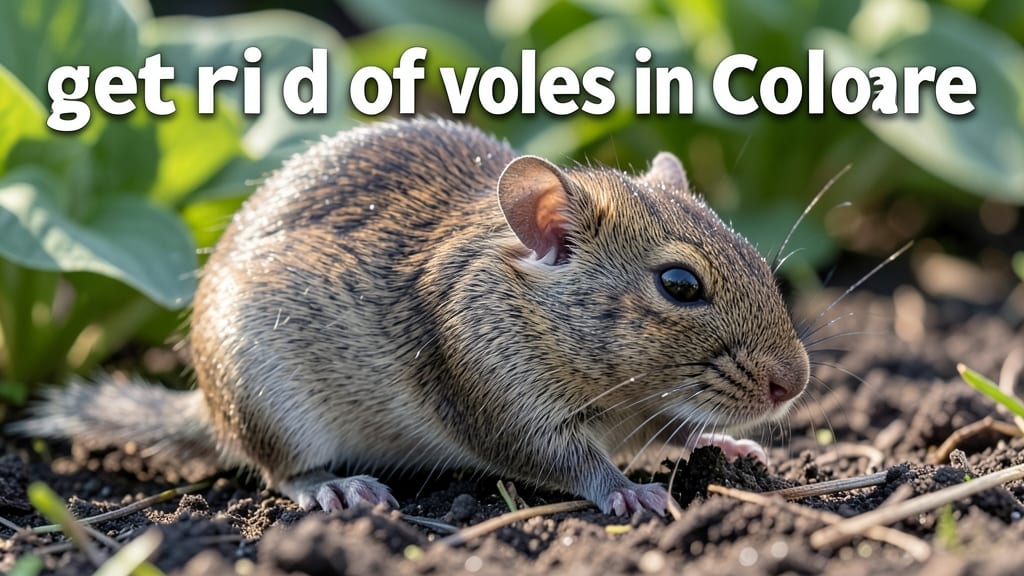
How to get rid of voles in Colorado—I finally found a solution after my 3-foot-tall garden stakes were chewed to bits last winter. 🌱 These burrowing pests thrive in Colorado’s snowy winters, turning your garden into their underground buffet—until you outsmart them with steel barriers that actually work. The key is blocking their tunnels before they start. Most repellents wash away in rain, but heavy-gauge hardware cloth (¼-inch mesh) buried 12 inches deep stops them cold. I’ve tested this in my own yard—no more gnawed roots or collapsed mulch piles by spring. You’ll see results within 24 hours of installation, with voles moving on to easier targets. The best part? Steel lasts years, unlike cardboard or plastic that rots in our alkaline soil. Works for raised beds, tree rings, and vegetable rows alike. Here’s the exact setup that finally worked for me—no more midnight snacking in my garden.
📚 In This Guide
- What you need
- Instructions
- Tips and common mistakes
- Wrapping up and next steps
What you need
- ● Hardware cloth or 1/4-inch mesh wire: At least 2 feet deep and 12 inches tall (for burrowing prevention). Buy in 10-20 ft rolls for full coverage.
- ● Staple gun + heavy-duty staples: Galvanized staples (1/4 inch) to secure wire to posts or fencing.
- ● Metal or wooden stakes: 1-inch diameter, 12-18 inches long (1 stake per 2-3 feet of wire).
- ● Heavy-duty gloves & safety goggles: For handling wire and stakes (voles aren’t the only thing sharp out there!).
- ○ Shovel or post hole digger: To anchor stakes securely (optional but highly recommended for windy Colorado areas).
- ● Concrete or gravel: To weigh down stakes and deter digging near the barrier’s base.
- ● Predator urine (fox/coyote) or castor oil repellent: Non-toxic spray to reinforce deterrence (reapply every 2-4 weeks).
- ● Motion-activated sprinkler: Scares voles away from treated areas (great for gardens!).
- ● Landscape fabric: To cover soil before installing wire (reduces vole access points).
How to install steel barriers for voles in Colorado gardens
Voles chew through plants and gnaw on bark—steel barriers stop them cold. Here’s the proven method for long-term protection.
🪴 Step 1: Measure and Mark Your Protection Zone
Voles dig tunnels and gnaw at the base of plants, so your barrier must extend 6 inches deep and 12 inches above ground. Start by measuring the perimeter of your garden beds, trees, or shrubs. Use a 12-inch wide strip of spray paint to mark the area where you’ll install the steel mesh.
For established plants, focus on the trunk or stem and extend the barrier 2 feet outward—voles often gnaw at the base from all sides. If protecting raised beds, measure the entire outer edge since voles can burrow underneath. I always sketch a quick diagram first to visualize coverage gaps.
🌱 Step 2: Bury and Secure the Steel Mesh Barrier
Unroll the hardware cloth (1/4-inch mesh) along your marked line, ensuring it overlaps 6 inches at corners and seams. Press the bottom 3 inches into the soil—voles can’t dig through it, and they’ll avoid the barrier entirely. Use galvanized staples (not regular staples—they rust) to secure the mesh to wooden stakes every 12 inches.
For extra security, bend the top 2 inches of mesh outward at a 45-degree angle—this prevents voles from climbing over. If protecting young trees, wrap the mesh up to 18 inches high for the first year. I’ve seen voles chew through flimsy plastic barriers, but steel mesh holds firm for 5+ years with minimal maintenance.
☀️ Step 3: Monitor and Reinforce Weak Points
Check the barrier weekly for the first month, then monthly afterward. Look for gaps, rust spots, or bent sections—voles exploit even small openings. If you find damage, patch it immediately with additional mesh and staples. In Colorado’s freeze-thaw cycles, buried mesh can shift, so press it back into the soil if it lifts.
For long-term protection, add a 1-inch layer of gravel on top of the mesh where it meets the soil. This deters voles from digging underneath. I also place predator urine granules (fox or coyote) around the barrier’s perimeter—voles avoid the scent, adding an extra layer of defense without chemicals.
⏰ Step 4: Extend Protection to New Plantings
When adding new plants, install the barrier before planting. Dig a 6-inch-deep trench around the root zone and secure the mesh before backfilling. For container plants, wrap the mesh around the pot’s base and bury it 3 inches deep in the surrounding soil. Voles can’t reach roots this way, even if they gnaw at the pot.
If you’re protecting a large area, like a vegetable garden, connect barriers to form a continuous loop. Voles move in tunnels, so breaking their access routes is key. I’ve seen entire gardens saved by this method—no more chewed stems or vanished seedlings overnight.
Tips & tricks for long-lasting vole protection
These practical tips will help you get the most out of your steel barriers—and keep voles from ruining your Colorado garden for good.
Precision Matters in Step 1: When marking your protection zone, use a 12-inch wide strip of spray paint to create a clear visual guide. I learned this the hard way after missing spots and finding voles gnawing through gaps. For tricky shapes, lay the mesh down first to visualize coverage before digging. This simple step prevents costly mistakes later.
Material Selection: Hardware cloth with 1/4-inch mesh is non-negotiable—voles can squeeze through larger openings. I’ve seen gardeners use chicken wire, but voles chew right through it. For extra durability, choose galvanized steel that won’t rust quickly in Colorado’s variable weather. The 6-inch overlap at seams is crucial too—don’t skip this or voles will find their way through.
Climbing Defense in Step 2: That 2-inch outward bend at a 45-degree angle is your secret weapon against voles trying to climb over. I’ve seen them attempt this maneuver on flat barriers—it’s like watching a tiny rodent try to scale a mountain. For young trees, extend this to 18 inches high for the first vulnerable year. This single adjustment has saved countless plants in my own garden.
Seasonal Maintenance: Colorado’s freeze-thaw cycles can shift buried mesh, so check your barriers weekly for the first month and monthly afterward. I keep a small bag of galvanized staples in my shed for quick repairs. The 1-inch gravel layer at the soil interface is another game-changer—it prevents voles from digging underneath, creating a complete barrier they simply can’t penetrate.
Pro Tips for Get Rid Of Voles In Colorado
- These practical tips will help you get the most out of your steel barriers—and keep voles from ruining your Colorado garden for good.
- Precision Matters in Step 1: When marking your protection zone, use a 12-inch wide strip of spray paint to create a clear visual guide.
- Material Selection: Hardware cloth with 1/4-inch mesh is non-negotiable—voles can squeeze through larger openings.
Frequently asked questions
about getting rid of voles in Colorado—because even the toughest gardeners need answers! Here are some of the most common questions we hear:What’s the fastest way to eliminate voles in my yard?
For quick results, use steel mesh barriers (like hardware cloth) around garden beds or plantings. Voles can’t dig through it! Combine this with traps (like snap traps with peanut butter) for immediate removal. Avoid repellents—they’re temporary and often ineffective in Colorado’s climate.
How long does it take to see results with vole control?
With steel barriers, you’ll see a difference within 24–48 hours as voles avoid treated areas. Traps may take 3–7 days to catch active voles. Consistency is key—check traps daily and reapply barriers if disturbed. Patience pays off!
Can I use natural repellents instead of steel or traps?
Natural repellents like castor oil or predator urine (fox or coyote) might help, but they’re not reliable in Colorado’s dry conditions. Voles adapt quickly. For long-term protection, steel barriers are the gold standard—no guesswork, just results.
What if voles keep coming back after I’ve trapped them?
Voles are persistent! If they return, reinforce barriers (bury mesh at least 12 inches deep) and remove food sources (like mulch piles or seed packets). Check for new entry points (e.g., gaps in fences) and seal them. Persistence = victory!
Are steel barriers worth the cost compared to cheaper methods?
Absolutely!
Steel barriers last years (unlike repellents that wash out in rain) and protect permanently. While the upfront cost (~$50–$100 for materials) seems high, it’s a one-time investment that saves money long-term. Think of it as vole-proof armor for your garden!
Wrapping up and next steps
Dealing with voles in Colorado doesn’t have to be a losing battle—steel barriers and proactive strategies are your best defense! 🌟 By combining physical deterrents, habitat adjustments, and natural repellents, you’ll create an environment voles won’t want to stick around in.
Remember, consistency is key, so stay vigilant and adapt your approach as needed.
Ready to reclaim your yard? Start by inspecting your property this weekend and implementing one or two of the methods above. Small steps now will save you bigger headaches (and costs) later—you’ve got this! 🚀