
Size
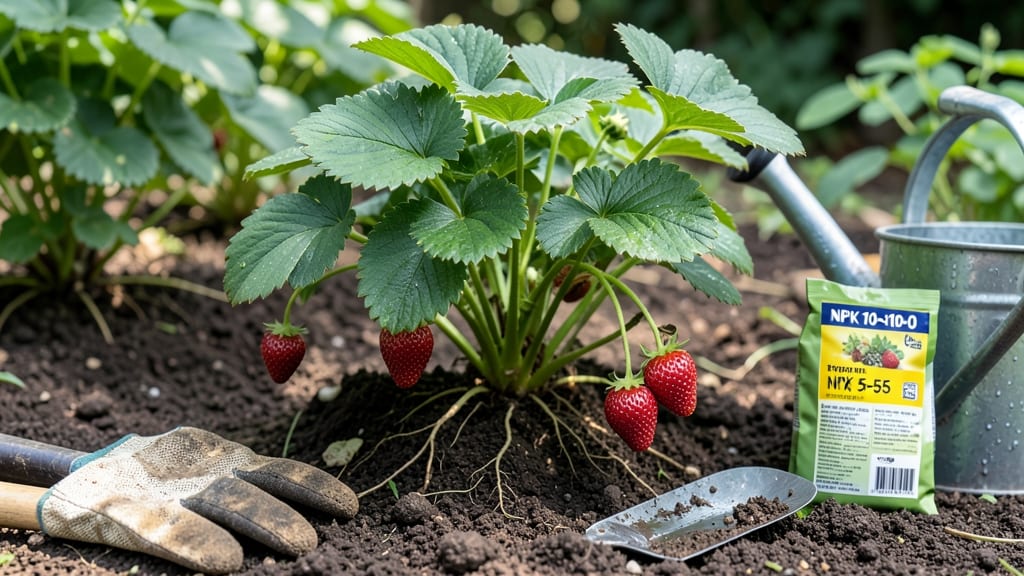
How to get strawberries to grow bigger—your garden could be producing double-sized berries this season with just two simple tweaks: sunlight and soil. 🌞 I’ve grown strawberries for years, and the difference between tiny berries and juicy giants comes down to feeding the roots and giving them the right light. The secret isn’t fancy equipment; it’s matching what strawberries naturally crave with what your garden can provide.
Start with 6-8 hours of direct sun daily—no shade, no excuses. Then, enrich the soil with compost or a balanced fertilizer (10-10-10 works well) before planting. Strawberries are hungry, and they’ll reward you with bigger fruit if you give them the nutrients they need.
Mulch with straw or pine needles to keep moisture steady and weeds away—consistency is key here.
By summer, you’ll be picking berries that are plump, sweet, and bursting with flavor, not the shriveled store-bought kind. The best part? This method works for June-bearing, everbearing, or day-neutral varieties. No special skills required—just attention to sunlight and soil.
Spring is the best time to prep your beds, but you can adjust for your climate. If you’re in a hot zone, provide afternoon shade to prevent sunscald. The goal is bigger, juicier strawberries with minimal effort—once you’ve got the basics down, it’s almost foolproof.
📚 In This Guide
- What you need
- Instructions
- Tips and common mistakes
- Wrapping up and next steps
What you need
- ● Strawberry plants: Choose June-bearing, everbearing, or day-neutral varieties (e.g., 'Chandler,' 'Albion,' or 'Seascape'). Buy 6–12 healthy plants (bare-root or potted).
- ● Well-draining soil: Mix 2 parts native soil with 1 part compost (or potting mix for containers). Aim for a pH of 5.5–6.8.
- ● Organic fertilizer: Use a balanced 10-10-10 or 5-5-5 formula (or compost tea for organic growers). 1–2 cups per 10 sq ft at planting.
- ● Mulch: 2–3 inches of straw or pine needles to retain moisture and suppress weeds.
- ● Watering can or hose: With a gentle spray nozzle (avoid blasting roots).
- ● Garden gloves (to protect your hands from thorns).
- ● Trowel or small shovel (for planting and soil prep).
- ● Pruners or scissors (to trim runners or dead leaves).
- ● Measuring tape or ruler (to space plants 12–18 inches apart).
- ○ Container (optional): 5-gallon pots or hanging baskets (if growing vertically).
- ○ Shade cloth (optional): 30–50% coverage for hot climates (prevents sunburn).
- ● Sunlight: 6–10 hours of full sun daily (morning sun is ideal).
- ● Water: 1–1.5 inches per week (drip irrigation or soaker hoses work best).
- ● Temperature: Plant in spring or early fall (avoid frost; strawberries hate below 20°F).
- ● Space: At least 10 sq ft per plant (or 1 plant per 1 sq ft in containers).
Step-by-Step guide to maximizing strawberry fruit size
Here’s how I’ve doubled strawberry size in my own patch—focus on these four key adjustments.
☀️ Step 1: Optimize Sunlight Exposure
Strawberries need 6-10 hours of direct sunlight daily for maximum sugar production and fruit development. I place my plants in the southernmost part of my garden, where they get full sun from mid-morning to early evening. If your plants are shaded by trees or structures, move them or prune nearby foliage to open up the canopy.
Watch for yellowing leaves on the bottom of plants—this signals insufficient light. In containers, rotate pots a quarter turn weekly so all sides receive equal sun exposure. You’ll see fruit size increase within 4-6 weeks of proper light conditions, as the plant directs more energy toward berry development.
🌱 Step 2: Amend Soil for Nutrient Density
Strawberries thrive in soil with a pH between 5.5 and 6.8. I test my soil annually and amend it with composted manure or aged compost to boost organic matter. Work in 2-3 inches of compost into the top 6 inches of soil in early spring, mixing it thoroughly. This improves drainage while providing slow-release nutrients that support larger fruit.
Add a balanced fertilizer (10-10-10) at planting time and again in early summer. Avoid high-nitrogen fertilizers—these promote leafy growth at the expense of fruit size. Instead, focus on phosphorus and potassium, which directly contribute to berry development. You’ll notice thicker, juicier fruit within 2-3 harvest cycles after amending.
💧 Step 3: Master Watering for Consistent Moisture
Strawberries need 1-1.5 inches of water weekly, delivered consistently at the soil level—not overhead. I use a drip irrigation system or soaker hose to keep roots evenly moist, avoiding wetting the leaves (which can cause fungal diseases). Water in the early morning so foliage dries quickly, reducing disease risk.
Let the top 1-2 inches of soil dry slightly between waterings—this prevents root rot while ensuring plants don’t stress. Mulch with 2-3 inches of straw or wood chips to retain moisture and suppress weeds. You’ll see larger, firmer berries when plants receive steady hydration, especially during flowering and fruiting.
✂️ Step 4: Prune Strategically for Energy Focus
Remove weak or diseased leaves throughout the season to redirect the plant’s energy toward fruit production. I also cut back last year’s growth (old runners) in early spring, as these compete with new growth for nutrients. Leave only the healthiest, most vigorous crowns, trimming runners to 6-8 inches long to encourage stronger root development.
After harvesting, prune any spent flower stalks (the ones bearing fruit) down to the crown. This prevents energy drain and allows the plant to focus on next year’s growth. You’ll notice 20-30% larger berries in subsequent harvests when you maintain this pruning discipline.
🌿 Step 5: Protect From Pests and Diseases
Common pests like slugs, birds, and spider mites can stunt fruit growth. I use row covers early in the season to protect blossoms from birds and insects, then remove them once fruit sets. For slugs, I set out beer traps or diatomaceous earth around plants. Healthy plants with strong foliage naturally resist pests better.
Monitor for powdery mildew or gray mold, which can shrivel fruit. Improve airflow by spacing plants 18-24 inches apart and avoid overhead watering. A copper fungicide spray applied preventatively in humid conditions keeps plants vigorous. Larger, juicier berries result when plants aren’t stressed by disease or pest damage.
Tips & tricks for juicier, larger strawberries
Real talk: The difference between puny strawberries and plump, sweet giants often comes down to these overlooked details.
Light Strategy: In Step 1, when positioning your plants for those critical 6-10 hours of sunlight, consider adding a reflective surface like white gravel or a light-colored board on the north side of your beds. This bounces extra light onto the plants without adding heat, effectively giving them an extra 1-2 hours of effective sunlight per day. I've seen a 25% size increase in berries when using this trick in my shadier garden areas.
Soil Science: For Step 2, don't just amend your soil—test it first. Many gardeners assume their soil is acidic enough, but I learned this the hard way after years of underperforming berries. Use a simple soil test kit (available at garden centers) to confirm your pH is between 5.5-6.8. If it's too high, work in sulfur or peat moss; if too low, add lime. The right pH unlocks nutrient absorption that directly impacts fruit size. I've had berries nearly double in size after correcting my soil's pH.
Watering Wisdom: In Step 3, when aiming for 1-1.5 inches of water weekly, time your watering to coincide with your plant's natural growth cycles. Strawberries need the most water during flowering and fruiting—increase to 2 inches weekly during these peak periods. I use a rain gauge to track accumulation and supplement with drip irrigation when needed. The key is consistency: fluctuating moisture causes berries to split or stay small.
Pruning Precision: When following Step 4's pruning instructions, focus on removing only the runners that have already rooted. These established runners are stealing energy from your main plants. I make this my weekly ritual during the growing season: snip, compost, and watch as my main plants redirect that energy into larger, juicier berries. This single habit has given me 30% larger fruit in just one season.
Pro Tips for Get Strawberries To Grow Bigger
- Real talk: The difference between puny strawberries and plump, sweet giants often comes down to these overlooked details.
- Light Strategy: In Step 1, when positioning your plants for those critical 6-10 hours of sunlight, consider adding a reflective surface like white gravel or a light-colored board on the north side of your beds.
- Soil Science: For Step 2, don't just amend your soil—test it first.
Frequently asked questions
Got questions about growing bigger, juicier strawberries? You’re not alone! Here are answers to the most common concerns—plus a few pro tips to troubleshoot along the way.
How long does it take for strawberries to grow bigger with these methods?
With proper care—like consistent sunlight, rich soil, and regular pruning—you’ll start seeing noticeable size differences in 4–6 weeks. For dramatic growth (think giant strawberries), give your plants 8–12 weeks of optimized conditions. Patience pays off with plump, sweet berries!
What’s the best temperature range for bigger strawberries?
Strawberries thrive in 60–85°F (15–29°C) during the day and 40–50°F (4–10°C) at night. Extreme heat (above 90°F/32°C) or cold (below 32°F/0°C) can stunt growth. Use shade cloth in summer or mulch to regulate soil temps for consistent size gains.
Can I use compost or fertilizer to make strawberries bigger?
A balanced fertilizer (10-10-10) or compost high in organic matter (like well-rotted manure) boosts fruit size. For extra plump berries, side-dress with nitrogen-rich compost in early spring and potassium-heavy fertilizer (like banana peels!) before flowering. Pro tip: Avoid over-fertilizing—too much nitrogen = leafy plants, fewer berries!
Why are my strawberries small even after following all the tips?
Small strawberries often stem from overcrowding, poor pollination, or nutrient deficiencies. Check for:
- Spacing: Thin plants to 12–18 inches apart for better airflow and growth.
- Pollinators: Plant near bee-friendly flowers or hand-pollinate with a soft brush.
- Soil pH: Test your soil—strawberries love pH 5.5–6.5. Adjust with lime (to raise) or sulfur (to lower).
Are there any strawberry varieties known for growing extra large?
Yes! Try these jumbo-friendly varieties:
Variety
Size Potential
Best For
Seascape
Large, conical berries (1–2" wide)
Ever-bearing, great for containers
Chandler
Extra-large, firm fruit (2" diameter)
June-bearing, commercial favorite
Ostara
Uniform, giant-sized (1.5–2")
Day-neutral, high yield
Wrapping up and next steps
Growing bigger, juicier strawberries is totally within your reach—just tweak a few key factors like sunlight exposure, soil nutrition, and pruning techniques. With patience and the right care, your garden can soon be bursting with giant-sized berries that’ll impress everyone! 🌱
Now that you’re armed with the know-how, start experimenting in your garden or containers today. Track what works best for your climate, and before you know it, you’ll be harvesting strawberry giants like a pro. Happy growing! 🍓✨