
Container Gardens
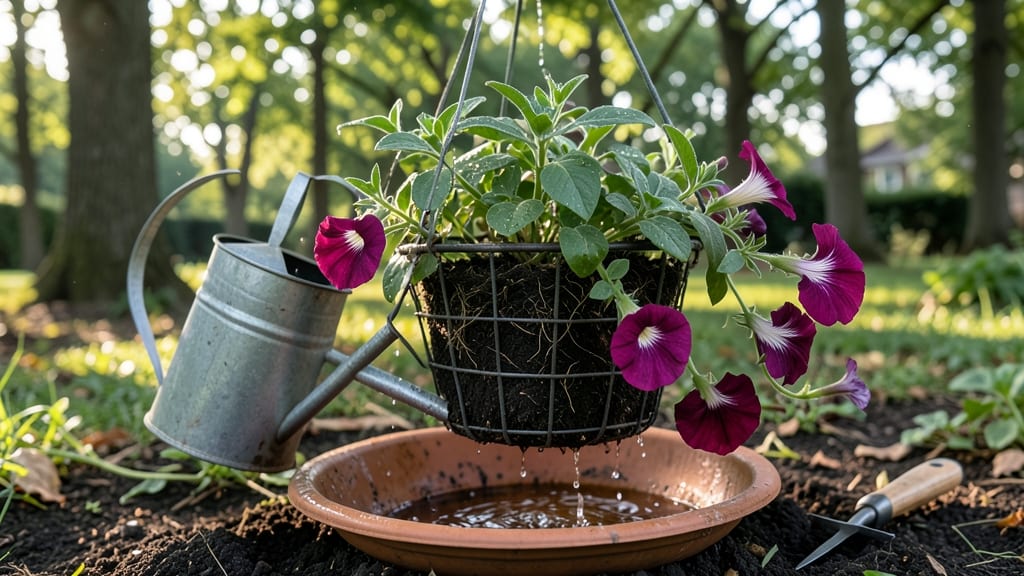
How to keep hanging baskets alive—it’s easier than you think, once you know the secret. 🌱 I've lost count of the wilting cascades I've nursed back to life, and the key always comes down to one thing: watering right. Most people drown or starve their baskets without realizing it, but a few simple adjustments can turn a sad, drooping mess into a thriving, year-round showstopper.
The real game-changer is drainage. Without it, roots suffocate and plants rot within weeks. I switched to baskets with built-in drainage holes and added a layer of pebbles at the bottom—suddenly, my ferns and petunias stayed lush instead of turning crispy by noon.
Pair that with the right soil mix (light, airy, and moisture-retentive), and you've got a foundation that actually supports life.
What you'll end up with is baskets that stay vibrant through summer heat and winter chill, with plants that grow fuller and flower more prolifically than anything from the nursery.
The secret isn't complicated—just consistent moisture, proper airflow, and a little preventive care before problems start. Trust me, your baskets will thank you.
This works for any hanging setup—balconies, porches, or even indoor hanging gardens—no matter your climate. The principles stay the same, and the results speak for themselves. Let's get those baskets thriving for good.
📚 In This Guide
- What you need
- Instructions
- Tips and common mistakes
- Wrapping up and next steps
What you need
- ● Hanging baskets: 1–3 baskets (depending on your setup). Choose coconut fiber, plastic, or metal with drainage holes (minimum ¼-inch diameter).
- ● Potting soil: 1–2 bags (1–2 cubic feet per basket) of well-draining, peat-free mix with added perlite or vermiculite (aim for 50% organic matter).
- ● Plants: 3–5 plants per basket (depending on size). Opt for trailing varieties like petunias, ferns, or ivy or spiller-thriller-filler combos (e.g., basil + nasturtiums + calibrachoa).
- ● Watering can: 1–2 gallons (with a rose nozzle for gentle watering).
- ● Fertilizer: 1 bottle of balanced liquid fertilizer (10-10-10 or 20-20-20) or slow-release granules.
- ○ Mulch (optional but helpful): 1 bag of pine bark or straw to retain moisture.
- ● Pruners: 1 pair of clean, sharp pruners (for trimming dead leaves or overgrowth).
- ● Spray bottle: 1 small bottle for foliar feeding or misting.
- ● Support stakes: 1–2 bamboo or plastic stakes (for plants needing extra stability).
- ○ Self-watering system (optional): 1 wicking basket liner or automatic drip kit for low-maintenance watering.
- ● Lightweight mesh: 1 roll (to protect baskets from pests or harsh sun).
Step-by-Step instructions for keeping hanging baskets thriving
Here's how I keep my hanging baskets lush and vibrant all year—no guesswork, just smart routines.
💧 Step 1: Master the Watering Routine
Water hanging baskets thoroughly every morning for the first 10 minutes—until water runs freely from the bottom. I use a gentle shower attachment to avoid displacing soil. Check the soil's weight: a dry basket feels noticeably lighter than a moist one.
After the initial soak, water again every 2-3 days in summer, cutting back to every 4-5 days in cooler months. The key is consistency—baskets dry out faster than ground-planted containers because they're exposed on all sides. If leaves start wilting by midday, your watering schedule needs adjusting.
☀️ Step 2: Position Baskets for Optimal Light Balance
Most flowering baskets need 4-6 hours of morning sun and afternoon shade to prevent scorching. I place mine on a porch where they get gentle morning rays but are shielded from harsh afternoon heat. For foliage plants, bright indirect light works best—they'll tell you if they're unhappy by developing pale or yellow leaves.
Rotate baskets quarter-turn weekly so plants grow evenly instead of stretching toward one light source. If you notice new growth leaning dramatically, move the basket to a more even spot immediately. In winter, bring baskets indoors or to a sheltered spot where temperatures stay above 40°F.
🌱 Step 3: Feed Plants Weekly During Growing Season
Use a balanced liquid fertilizer (10-10-10 or 20-20-20) diluted to half-strength every 7-10 days from spring through summer. I mix it with water in a spray bottle for even distribution—just mist until the soil looks slightly darker, indicating absorption. Fertilizer burns are easy to spot: crispy leaf edges or yellowing between veins mean you've overdone it.
Cut back to every 3-4 weeks in fall and stop completely in winter when growth slows. The exception? If you're overwintering tropical plants indoors, reduce to monthly feeding with half-strength fertilizer. Always water plants first to prevent root damage from concentrated fertilizer.
✂️ Step 4: Prune and Refresh Seasonally
Deadhead spent blooms weekly to encourage continuous flowering—just pinch off wilted flowers with your fingers or snip with clean scissors. I also trim any leggy stems back by one-third to promote bushier growth. For trailing plants like petunias, let them cascade naturally but trim back any stems that grow longer than 18 inches.
Every 4-6 weeks, refresh the top 1 inch of soil with fresh potting mix to replenish nutrients. This prevents a hard crust from forming and gives roots access to fresh oxygen. If you notice roots growing out of drainage holes, it's time to repot into a slightly larger basket—roots need room to expand.
🪴 Step 5: Protect Baskets Year-Round
In summer, shield baskets from heavy rain to prevent soil erosion. I place a clear plastic dome over them during downpours or move them to a covered porch. In winter, bring baskets indoors or wrap them in burlap to protect from cold drafts. Never let temperatures drop below 35°F—most basket plants will suffer frost damage.
Check for pests like spider mites or aphids every 2 weeks by running your fingers over leaves. A strong spray of water usually dislodges them, but for stubborn infestations, use insecticidal soap. Healthy plants are resilient—if you catch issues early, baskets bounce back quickly with proper care.
Tips & tricks for perfect hanging basket care
Keeping your hanging baskets thriving isn't rocket science—just a few smart adjustments that make all the difference. Here's what I've learned from years of trial and error.
Watering Precision: That initial 10-minute soak in Step 1 is non-negotiable. I've learned the hard way that skipping this leads to root dehydration. Use a timer to ensure you hit that full 10 minutes—water should flow freely from the bottom. For extra insurance, place your basket on a scale before and after watering; a well-watered basket should weigh about 20% more than when dry.
Light Adjustment: The 4-6 hours of morning sun in Step 2 is ideal, but watch for subtle signs your plants are unhappy. If leaves develop yellow patches between veins, they're getting too much direct sun. Move baskets gradually to avoid shocking the plants—just shift them a few inches closer to shade each day until they're perfectly positioned.
Seasonal Fertilizer Strategy: When you switch from weekly feeding in summer to monthly in winter (Step 3), don't just stop cold turkey. I taper off by alternating between fertilizer and plain water every other week in fall. This gradual reduction prevents nutrient shock when growth slows. And always water first—this simple step prevents fertilizer burns that can ruin your baskets.
Protective Gear: The plastic dome mentioned in Step 5 for rain protection works wonders, but I've found an even better solution: use clear shower curtains instead. They're lightweight, reusable, and provide better airflow than plastic domes. For winter protection, I double-wrap baskets in burlap—first a light layer for breathability, then a heavier one for insulation against cold winds.
Pro Tips for Keep Hanging Baskets Alive
- Keeping your hanging baskets thriving isn't rocket science—just a few smart adjustments that make all the difference.
- Watering Precision: That initial 10-minute soak in Step 1 is non-negotiable.
- Light Adjustment: The 4-6 hours of morning sun in Step 2 is ideal, but watch for subtle signs your plants are unhappy.
Frequently asked questions
Got questions about keeping your hanging baskets lush and alive? You’re not alone! Here are answers to the most common concerns from gardeners just like you.
How often should I water my hanging baskets?
Hanging baskets dry out fast—check them daily in hot weather! Water when the top inch of soil feels dry. In summer, you may need to water twice a day, especially if they’re in full sun. A self-watering basket or drip irrigation system can save you time and stress.
Can I keep hanging baskets alive in winter?
Yes! Most baskets thrive in winter with the right care. Move them to a sheltered spot (like a porch or garage) to protect from frost and wind. Reduce watering—soil stays moist longer in cold weather. Use frost-hardy plants like heuchera or ivy, and add mulch to insulate roots.
What do I do if my hanging basket plants look wilted or droopy?
Wilting usually means thirst or root stress. First, give it a deep drink—water until it drains from the bottom. If the soil feels soggy, your basket may have overwatering issues (common in plastic liners!). Check for pests like spider mites or root rot, and trim dead leaves to encourage new growth.
Are hanging baskets better with one type of plant or a mix?
A mix works best! Pair thrillers (like trailing ferns), fillers (petunias or begonias), and spillers (ivy or lobelia) for texture and color. Just ensure they have similar water and light needs. Avoid overcrowding—plants compete for nutrients, leading to weak growth.
What’s the easiest way to revive a dying hanging basket?
Start fresh! Prune dead or diseased foliage, repot into fresh soil, and fertilize lightly. If roots are mushy (sign of rot), trim them back and let the soil dry out before replanting. For stubborn cases, consider replacing the plant—some (like annuals) are easier to replace than salvage.
Pro tip: Keep a spray bottle nearby to mist leaves daily—it mimics humidity and keeps plants happy between waterings!
Wrapping up and next steps
Keeping your hanging baskets lush and vibrant is all about consistency, observation, and a little love! 🌿 With the right watering routine, proper drainage, and seasonal adjustments, your green oasis will thrive year-round. Don’t let fear of over- or under-watering hold you back—experiment, learn, and enjoy the process.
Ready to take your container gardening to the next level? Start small—try one basket this season and refine your technique. Before you know it, your porch, patio, or balcony will be a blooming paradise! 🌸