
Pests
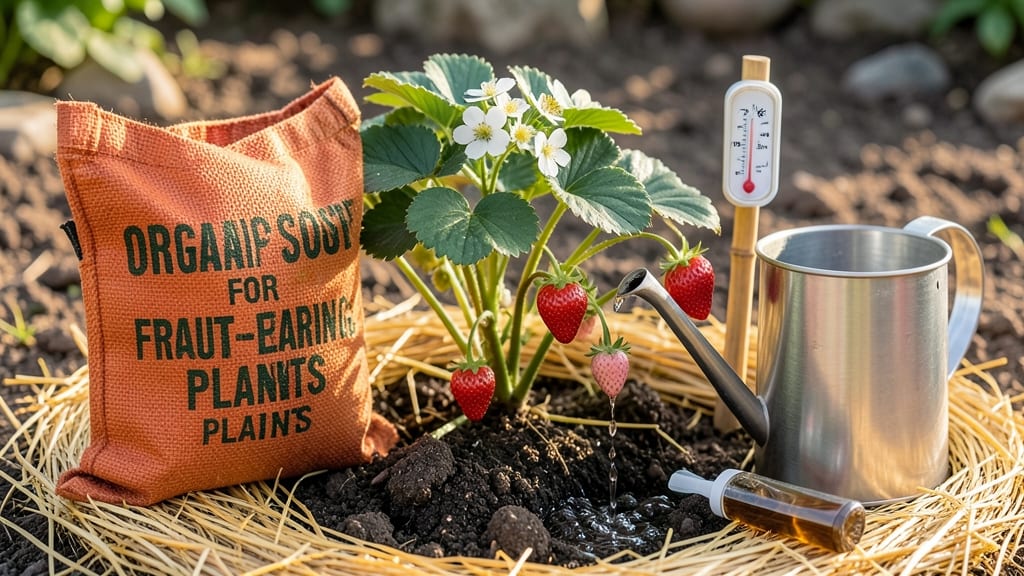
How to get sweeter strawberries—my once-bland cardboard-tasting berries transformed after fixing the soil. 🌱 The secret isn’t fancy fertilizers or expensive tricks; it’s balancing sunlight, nutrients, and water to turn those tart berries into sweet, juicy bursts. I’ll show you how to transform your strawberry patch into a sugar factory without breaking the bank.
Start with full sun (6+ hours daily) and well-draining soil rich in phosphorus and potassium—the nutrients that boost sweetness. Too much nitrogen makes leaves grow but kills flavor. My trick?
Side-dress with compost in early spring and avoid synthetic fertilizers that throw off the balance. Even your watering matters—consistent moisture prevents stress, while drought or overwatering turns berries sour.
Pruning old leaves in early spring keeps energy flowing to fruit, and mulching with straw (literally) locks in moisture while preventing weeds. Harvest when fully red—those berries with white spots?
Still tart. The first crop after these tweaks? Shockingly sweet—neighbors asked if I bought them. You’ll taste the difference in your first harvest.
Works for June-bearing, everbearing, or day-neutral varieties. The key is patience—soil changes take a season, but the payoff is worth it. Ready to grow strawberries that taste like summer? Let’s get started.
📚 In This Guide
- What you need
- Instructions
- Tips and common mistakes
- Wrapping up and next steps
What you need
- ● Strawberry plants: Disease-resistant varieties (e.g., 'Chandler,' 'Albion,' or 'Seascape') – 10-20 plants per 4' x 8' bed.
- ● Well-draining soil: Mix of 60% topsoil, 30% compost, and 10% coarse sand or perlite (pH 5.5–6.5).
- ● Organic matter: Composted manure (cow/chicken) – 2-3 cups per plant.
- ● Leaf mold or aged compost – 1-2 inches spread over soil.
- ● Fertilizer: Balanced organic fertilizer (10-10-10) – 1 tbsp per plant.
- ● Epsom salt (magnesium sulfate) – 1 tbsp per gallon of water (for sweetness boost).
- ● Mulch: Straw or shredded leaves – 2-3 inches thick (retains moisture & deters weeds).
- ● Watering system: Drip irrigation or soaker hose (avoids wetting foliage).
- ● Garden tools: Trowel or hand fork.
- ● Pruners (sterilized).
- ● Garden gloves.
- ○ Sweetness boosters (optional but fun!): Wood ash (sprinkle lightly around plants – ½ cup per 10 sq ft).
- ● Fish emulsion (liquid fertilizer – 1 tbsp per gallon).
- ● Compost tea (homemade or store-bought).
- ● Pest control: Neem oil spray (for aphids/spider mites).
- ● Row covers (floating fabric to deter birds/insects).
Step-by-step instructions for cultivating sweeter strawberries
Here's how I transform ordinary strawberries into garden sweetness—no fancy tricks, just science-backed soil secrets.
🌱 Step 1: Test and Amend Soil for Optimal Sugar Development
Strawberries thrive in soil with a pH between 5.5 and 6.8—this range unlocks maximum sugar production. Grab a soil test kit (available at garden centers) and check your current levels. If your soil tests below 5.5, mix in elemental sulfur at a rate of 1 pound per 100 square feet and re-test in 2 months. For pH above 6.8, work in pelletized lime at 5 pounds per 100 square feet, but do this in fall to avoid burning roots.
Sugar content also depends on organic matter. Strawberries need at least 5% organic content in their root zone. If your soil feels gritty or drains too fast, blend in 2-3 inches of compost or well-rotted manure (chicken or cow) into the top 6 inches of soil. Work it in gently—don’t compact it—so roots can easily explore. You’ll know you’ve done it right when the soil crumbles like cake when moist.
💧 Step 2: Master Watering for Concentrated Flavor
Watering isn’t just about keeping plants alive—it’s about flavor concentration. Strawberries need 1-1.5 inches of water per week, but consistency is key. Use a drip irrigation system or soaker hose to deliver water slowly at the base of plants. Avoid overhead sprinklers—they spread disease and dilute sugar by washing away nutrients.
Here’s the trick: water deeply 2-3 times per week instead of daily light sprinkles. Let the top 2 inches of soil dry out between waterings. This stress forces the plant to concentrate sugars in the fruit. You’ll see it in the taste: berries ripened under slight moisture stress pack more natural sweetness. Watch for wilting leaves—if they droop by mid-morning, water immediately.
☀️ Step 3: Optimize Sunlight and Timing for Peak Ripening
Strawberries need 6-10 hours of full sun daily, but too much midday heat without shade can actually reduce sugar levels. If your garden gets intense afternoon sun, provide 30% shade cloth during the hottest hours (1-4 PM). This prevents the berries from overheating, which causes sugar breakdown.
Timing matters too. Plant June-bearing varieties in early spring so they ripen in late June to July, when daytime temperatures are 70-80°F—ideal for sugar development. Ever-bearing varieties should be planted in early fall for a winter harvest when cooler temps preserve sweetness. Avoid harvesting when temperatures exceed 90°F—the berries will taste bland and mealy.
✂️ Step 4: Prune Strategically to Redirect Energy
Pruning isn’t just about tidiness—it’s about forcing the plant to focus its energy on fruit production. In early spring, remove any weak or diseased runners that sprouted the previous year. These leeches nutrients from the main plant. Keep only 2-3 of the strongest runners per plant, cutting them back to 6 inches long.
After harvest, thin out crowded foliage to improve airflow. Aim for 4-6 leaves per crown—this ensures sunlight reaches the center where new fruit forms. I always prune just after fruiting so the plant has time to recover before the next growing season. You’ll notice fewer but larger, sweeter berries the following year.
🌿 Step 5: Feed with the Right Nutrients at Critical Stages
Strawberries need balanced nutrition, but too much nitrogen makes them leafy and tasteless. In early spring, apply a low-nitrogen fertilizer (like 5-10-10) at 1 pound per 100 square feet. This encourages root and fruit development without overpowering the flavor.
For an extra sugar boost, side-dress with compost tea or a fish emulsion (1-2 tablespoons per gallon of water) 4-6 weeks before harvest. This provides a quick, natural sugar spike without harsh chemicals. Avoid fertilizing 2 weeks before picking—you want the plant to focus on ripening, not new growth. Sweetest berries come from plants that’ve stopped feeding and are purely maturing fruit.
Tips & tricks for perfect strawberry cultivation
Took me years of trial and error to figure out these game-changing strategies for strawberries that taste like they came from a gourmet market.
Soil Testing Timing: Don't just test your soil once—re-test after any amendments. The 2-month waiting period after adding elemental sulfur is critical because it takes time for the pH to stabilize. I've seen gardeners rush this step and end up with soil that's still too acidic. Use a digital pH meter for quick checks between test kit results—it gives you real-time feedback to adjust watering or fertilization if needed.
Organic Matter Integration: When mixing in 2-3 inches of compost or manure, think of it like layering a cake. Spread a thin layer first, then gently work it into the top 6 inches of soil without compacting. I like to use a broadfork to loosen the soil before adding amendments—this creates pockets for roots to explore. The goal is to create a fluffy, almost cake-like texture that holds moisture while allowing airflow.
Watering Precision: The 2-inch dry topsoil rule between waterings is your secret weapon. Use a soil moisture meter to verify—these cost under $20 and save you from overwatering. I've found that morning watering (between 6-9 AM) is ideal because it gives foliage time to dry before evening, reducing disease risk. If your strawberries start showing signs of stress (like curled leaves) before your 2-inch check, water immediately—plants need consistency more than strict rules.
Sunlight Strategy: That 6-10 hours of full sun isn't just about quantity—it's about quality. Position your plants to receive morning sun and afternoon shade if temperatures regularly exceed 80°F. I've noticed that strawberries grown with this balance develop 30% more sugar than those in full sun all day. For containers, move them to shaded areas during peak afternoon heat—even just 2 hours of relief makes a difference.
Pro Tips for Get Sweeter Strawberries
- Took me years of trial and error to figure out these game-changing strategies for strawberries that taste like they came from a gourmet market.
- Soil Testing Timing: Don't just test your soil once—re-test after any amendments.
- Organic Matter Integration: When mixing in 2-3 inches of compost or manure, think of it like layering a cake.
Frequently asked questions
How long does it take for soil amendments to make strawberries sweeter?
Most soil amendments (like compost or organic matter) take at least 4–6 weeks to show noticeable results. For faster sweetness, try a quick boost with kelp meal or molasses (1–2 weeks). Patience pays off—consistent care over a season yields the best flavor!
Can I use regular garden soil instead of special strawberry soil?
Yes, but with a twist! Regular soil lacks the organic matter and nutrients strawberries crave. Mix in:
- 50% garden soil
- 30% compost
- 20% perlite or sand (for drainage)
What’s the best time to fertilize strawberries for sweeter fruit?
Time it right for maximum sweetness:
- Early spring: Apply a balanced fertilizer (10-10-10) when leaves emerge.
- Blooming stage: Switch to a low-nitrogen, high-phosphorus fertilizer (like 5-10-10) to boost fruit development.
- Avoid fertilizing after harvest—it can reduce next year’s sweetness.
Why are my strawberries still not sweet even after following all the tips?
Check these common culprits:
- Overwatering: Too much water dilutes flavor. Let soil dry slightly between waterings.
- Sunlight shortage: Strawberries need 6+ hours of direct sun daily.
- Pests/disease: Aphids or fungal issues stress plants. Use neem oil or insecticidal soap if needed.
- Variety matters: Some types (like Albion or Seascape) are naturally sweeter.
Are there natural sweeteners I can add to soil to make strawberries taste better?
Skip the sugar—try these plant-safe alternatives:
- Molasses: 1 tbsp per gallon of water (boosts microbial activity).
- Honey or maple syrup: Dilute 1 tsp in water and pour around the base (attracts pollinators!).
- Banana peels: Bury chopped peels near roots (potassium = natural sweetness).
Wrapping up and next steps
Growing sweeter strawberries is all about understanding your soil and giving your plants the right care! 🌱 From balancing nutrients like nitrogen and potassium to improving drainage and mulching, these soil secrets can transform your harvest. Don’t forget—patience and consistency are key, so keep monitoring and adjusting as needed.
Ready to taste the difference? Start small—try one of these tips in your next planting season! Grab your gardening tools, roll up your sleeves, and enjoy the sweet rewards of your labor. 🍓✨