
Companion Plants
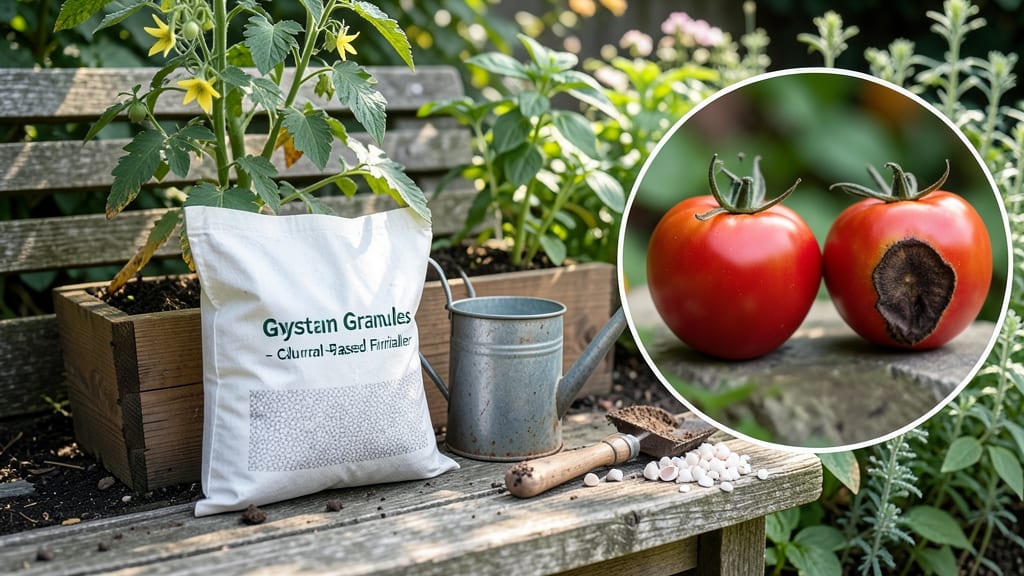
How to give plants calcium—your struggling greens might be screaming for it, and crushed eggshells could be the simplest solution. 🌱 Blossom-end rot, weak stems, and yellowing leaves all point to one missing nutrient, and eggshells might be the easiest fix you’ve overlooked. The good news? You don’t need fancy soil tests to start. Eggshells, wood ash, or even a sprinkle of lime can boost calcium levels fast. The trick is timing—apply it when plants are actively growing, not in drought or extreme heat, to avoid shocking roots. Within weeks, you’ll notice stronger stems, fewer leaf spots, and blooms that last longer. Tomatoes, peppers, and brassicas love this extra boost, but even houseplants like ferns and calatheas respond well. Just don’t go overboard—too much calcium locks out other nutrients. Start small, monitor your plants, and adjust as needed. Here’s how to do it right without wrecking your soil balance.
📚 In This Guide
- What you need
- Instructions
- Tips and common mistakes
- Wrapping up and next steps
What you need
- ● Calcium source: Eggshells (clean, crushed, and dried—about 1–2 cups per plant every 2–3 months)
- ● OR Calcium-rich amendments like: Crushed limestone (1–2 tbsp per plant)
- ● Gypsum (½ cup per square foot of soil)
- ● Bone meal (1 tbsp per plant, sparingly)
- ● Tools for preparation: Blender or food processor (for crushing eggshells)
- ● Oven or dehydrator (for drying eggshells at 200°F/93°C for 10–15 mins)
- ○ Fine-mesh strainer (optional, for sifting powder)
- ● Application tools: Garden trowel or small shovel (for mixing into soil)
- ● Watering can (for liquid calcium solutions)
- ○ Spray bottle (for foliar sprays, optional)
- ● pH testing kit (to monitor soil calcium levels)
- ● Compost or worm castings (to balance calcium with other nutrients)
- ● Epsom salt (for magnesium balance, if needed)
- ● Label maker (to track calcium treatments for different plants)
Step-by-step guide to boosting plant health with calcium
Here's how to strengthen stems, prevent blossom-end rot, and keep plants thriving with natural calcium sources.
🌱 Step 1: Gather Natural Calcium Sources
Crushed eggshells are my go-to calcium booster—free, effective, and easy to find. Collect clean shells from your kitchen (save them in a sealed container until ready to use). You'll also need a small hammer or rolling pin to crush them into tiny pieces, and a fine-mesh strainer for sifting.
For garden beds, aim for about 1 cup of crushed eggshells per 10 square feet. For container plants, use 1-2 tablespoons per gallon-sized pot. The smaller the pieces, the faster they'll break down and release calcium into the soil.
💧 Step 2: Prepare Eggshells for Soil or Water
First, bake any collected eggshells at 200°F for 10 minutes to kill bacteria and remove any organic material that could attract pests. Let them cool completely, then crush them into a fine powder using your rolling pin or hammer. Sift through the strainer to remove any large chunks.
For soil application, sprinkle the powder directly around the base of your plants, keeping it 1 inch away from stems to prevent irritation. For foliar feeding, mix 1 teaspoon of eggshell powder with 1 gallon of water and strain well before using.
☀️ Step 3: Apply Calcium to Soil or Leaves
Work the eggshell powder into the top 1-2 inches of soil around your plants' root zones. Water the area thoroughly to help dissolve the calcium and carry it down to the roots. You'll see the best results with regular applications—every 4-6 weeks during the growing season.
For foliar feeding, apply the eggshell water mixture in the early morning using a spray bottle. Lightly mist the tops and undersides of leaves until just damp. This method works best for plants already showing calcium deficiency symptoms like yellowing leaves or weak stems.
✂️ Step 4: Monitor and Reapply as Needed
Watch for signs that your plants are absorbing the calcium—stronger stems, healthier leaves, and no new blossom-end rot on tomatoes or peppers. If you notice new growth still looking weak after 6-8 weeks, it's time for another application.
Real talk: Eggshells alone won't fix severe calcium deficiencies overnight. Combine this with proper watering practices (avoid overwatering) and balanced fertilization. The key is consistency—think of it like giving your plants a steady calcium supplement rather than a one-time dose.
🌿 Step 5: Prevent Future Calcium Deficiencies
To keep your plants calcium-sufficient long-term, practice crop rotation and avoid over-fertilizing with nitrogen-heavy feeds. Mulch with well-aged compost to maintain soil pH between 6.0-7.0—calcium becomes more available in this range.
For container plants, mix a handful of eggshell powder into fresh potting mix at planting time. This prevents deficiencies before they start. You'll know you're doing it right when your plants develop the sturdy growth and vibrant color that calcium supports.
Tips & tricks for boosting plant health with calcium
Here's what nobody tells you about maximizing eggshell benefits for your garden—these tricks make all the difference.
Heat Control: That 200°F for 10 minutes baking step isn't just about sterilization—it's about creating a powder that dissolves faster in soil. I learned this the hard way after ruining a batch of shells that didn't bake long enough (they smelled funky for weeks!). The heat also makes the calcium more bioavailable to plant roots.
Application Technique: When applying eggshell powder to soil, focus on the root zone but keep it 1 inch away from stems—this prevents irritation while still delivering calcium where plants need it most. For container plants, mix the powder directly into the top 1-2 inches of soil rather than sprinkling on top, which helps prevent runoff during watering.
Timing Secret: The 4-6 week application schedule works because it gives plants a steady calcium supply without overloading the soil. I've found that combining this with your regular watering routine (every other week) ensures consistent results. If you notice new growth still looking weak after 6-8 weeks, it's time to reapply—this is your plant's way of saying "more please!"
Foliar Feeding Tip: For foliar applications, strain the eggshell water mixture through a fine-mesh strainer until it's completely clear—any remaining particles can clog spray nozzles and create uneven coverage. Apply in the early morning so leaves have time to dry before evening, which prevents fungal issues that can occur when moisture lingers on foliage.
Pro Tips for Give Plants Calcium
- Here's what nobody tells you about maximizing eggshell benefits for your garden—these tricks make all the difference.
- Heat Control: That 200°F for 10 minutes baking step isn't just about sterilization—it's about creating a powder that dissolves faster in soil.
- Application Technique: When applying eggshell powder to soil, focus on the root zone but keep it 1 inch away from stems—this prevents irritation while still delivering calcium where plants need it most.
Frequently asked questions
Got questions about giving your plants the calcium boost they need? You’re not alone! Here are some of the most common queries—and straightforward answers—to help you grow stronger, healthier plants with ease.
How often should I add calcium to my plants?
For most plants, a monthly calcium boost is plenty—especially if you’re using organic sources like crushed eggshells or compost. Overdoing it can disrupt nutrient balance, so less is more. Monitor your plants: yellowing leaves or weak stems signal a need for more calcium.
Can I use eggshells from raw eggs, or do they need to be cooked first?
Raw or cooked eggshells work! Just crush them finely (a coffee grinder works great) and bake them at 200°F (93°C) for 10 minutes to kill bacteria. Raw shells are safe too, but baking ensures sterility. Either way, let them dry completely before mixing into soil.
What are signs my plants need more calcium?
Watch for these red flags:
- Blossom end rot (brown, mushy spots on tomatoes, peppers, or squash).
- Weak, brittle stems or stunted growth.
- Yellowing leaves with green veins (a classic calcium deficiency look).
Can I give plants too much calcium?
Yes! Excess calcium can block other nutrients like magnesium or iron, leading to nutrient lockout. Stick to balanced organic sources (like eggshells or bone meal) and avoid synthetic calcium spikes. Test your soil occasionally to stay in the sweet spot.
Are there plants that don’t need extra calcium?
Most plants benefit from calcium, but some thrive without supplements, like:
- Azaleas or blueberries (prefer acidic soil, where calcium is naturally limited).
- Succulents (store calcium efficiently in their leaves).
Wrapping up and next steps
Giving your plants the calcium boost they need doesn’t have to be complicated—just a little creativity and consistency! Whether you’re using eggshells, crushed limestone, or compost tea, these methods are simple, cost-effective, and packed with benefits for stronger stems, glossier leaves, and healthier blooms. 🌱✨
Now that you’re armed with the know-how, take the next step—pick one method and try it with your favorite plants this week! Observe the changes over time, and don’t hesitate to experiment with combinations. Your green friends will thank you with vibrant growth and resilience.