
How To
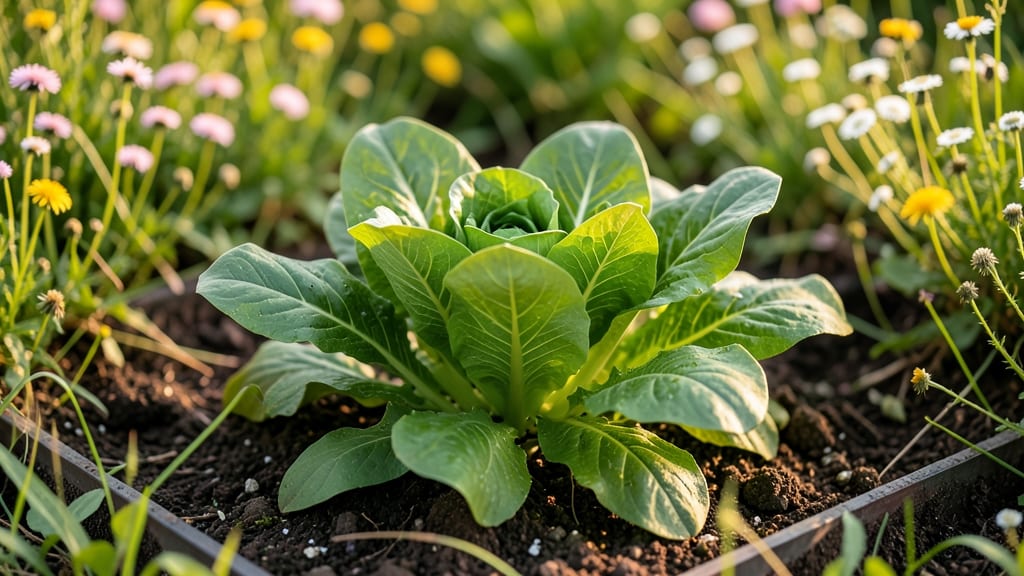
There's nothing quite like the satisfaction of how to grow a garden of lettuce—especially when you can go from seed to salad in just 30 days. With the right fast-germinating varieties and a few simple tricks, your 🥬 lettuce garden can deliver crisp, homegrown greens faster than you'd expect.
I've learned the hard way that patience isn't always a virtue when it comes to gardening. Overwatering or planting too late can turn your eager seedlings into sad, wilted memories. But with the proper timing—like planting in March-April or August-September—you'll be harvesting fresh leaves by May or October.
What makes this even better? You don’t need a sprawling backyard to get started. Whether you're working with a raised bed, containers, or even a sunny windowsill, I'll show you how to create the perfect conditions for rapid growth. Let’s turn those seeds into a thriving garden in no time.
The key to success lies in choosing the right varieties, preparing your soil, and avoiding common mistakes that slow down growth. By the end of this guide, you’ll know exactly how to plant, nurture, and harvest your lettuce for a quick, rewarding harvest every time.


Fast-germinating lettuce varieties for quick harvests (germination times compared)
If you're eager to enjoy homegrown lettuce in just 30 days, choosing the right fast-germinating varieties is your first step. Some lettuce types sprout in as little as 4 days and reach harvestable size faster than others.
The key is selecting varieties bred for speed and cold tolerance, which thrive in early spring or late summer gardens.
My favorite varieties for quick harvests include Buttercrunch, Black Seeded Simpson, and Oakleaf. These types not only germinate rapidly but also resist bolting (premature flowering) when temperatures stay cool. For container gardens, Little Gem and Salad Bowl are compact yet productive choices.
Here’s how these top varieties compare in terms of germination speed, days to maturity, and ideal growing conditions to maximize your harvest timeline:
For the fastest results, Black Seeded Simpson and Salad Bowl are my top picks—they sprout in under a week and mature in just 30-40 days.
These varieties are perfect for cut-and-come-again harvesting, meaning you can snip outer leaves and let the inner ones keep growing, extending your harvest window by weeks.
If you're planting in late summer for a fall harvest, prioritize heat-tolerant varieties like Oakleaf. It handles warmer temperatures better than most lettuces, preventing bolting and ensuring a longer harvest season. Just
Pro tip: Soak seeds overnight in water before planting to jumpstart germination. This trick can shave off 1-2 days from your sprouting timeline, giving you an even quicker path to harvest. Just place seeds in a damp paper towel for 12 hours before sowing.
When selecting seeds, always check the packet for "days to maturity". This number tells you exactly how long until harvest, helping you plan succession plantings. For example, if you want lettuce every 3 weeks, plant a new batch every 21 days to maintain a steady supply.
For container gardeners, Little Gem and Salad Bowl are ideal because they thrive in 5-gallon pots with minimal space. Their compact size makes them perfect for balconies or patios, where full garden beds aren’t an option. Just ensure your containers have drainage holes to prevent root rot.
One final tip: Plant in blocks, not rows. This creates a denser planting area that shades the soil, keeping roots cool and reducing the risk of bolting. It also makes harvesting easier—just grab a handful of leaves at a time without disturbing the entire plant.
Step-by-step guide to planting lettuce for maximum speed and success
Lettuce thrives when planted with precision—starting with loose, fertile soil rich in organic matter is your first secret weapon. Test your soil’s pH (ideal range: 6.0-7.0) and amend with compost if needed. Lettuce roots are shallow, so aim for 6-12 inches of depth with good drainage to prevent rot.
Choose your planting method: direct sowing (for speed) or seedlings (for convenience). Direct sowing skips the transplant shock, while seedlings give you a head start. For containers, use 5-gallon pots or deeper—lettuce hates root-bound conditions.
🌱 Pro Tip: Plant seeds ¼ inch deep and space them 12-18 inches apart in rows 12-18 inches apart. Thin seedlings to this spacing once they sprout to avoid competition. Use a lightweight mulch (like straw) to retain moisture and suppress weeds.